1. Introduction: Why Performance Tracking Matters More Than Marketing
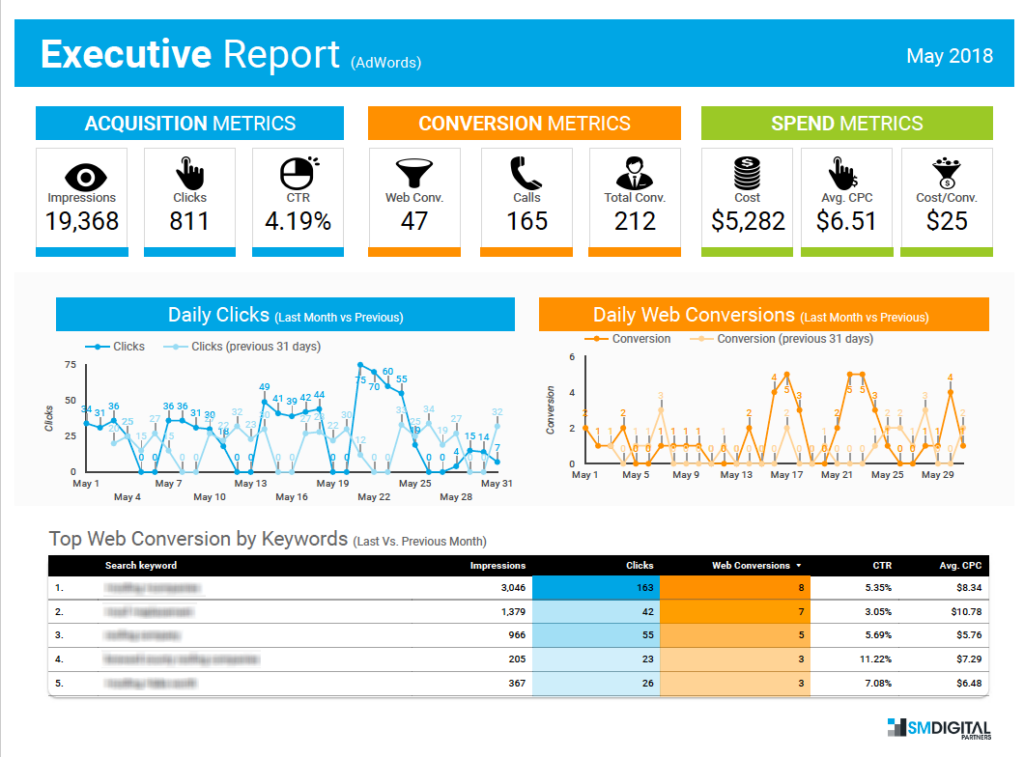
Many small and medium enterprises actively participate in digital marketing by posting on social media, running discounts, creating websites, or sending emails. However, a large number of these businesses fail to track whether these activities are actually producing meaningful results. Without performance tracking, marketing becomes an activity driven by assumptions rather than evidence.
Performance tracking is what transforms marketing efforts into actionable business intelligence. It allows SMEs to understand whether their time, money, and energy are being invested in the right direction. When marketing activities are not tracked, businesses often continue repeating the same actions without knowing if those actions are effective or ineffective.
In the absence of tracking, SMEs commonly face problems such as wasted marketing budgets, poor return on effort, and emotional decision-making. For example, a business may continue posting daily on social media because it “feels productive,” even though the posts generate no engagement or leads. Similarly, paid promotions may be repeated without knowing whether they actually resulted in conversions.
With performance tracking in place, decision-making becomes logical rather than emotional. SMEs can clearly see what is working, what is not working, and where improvements are required. Tracking helps identify strong channels that deserve more focus and weak areas that need correction or elimination. This clarity makes growth more predictable and sustainable rather than accidental.
Performance tracking does not replace marketing; it strengthens it. Marketing creates visibility and engagement, while tracking ensures that these efforts contribute to real business outcomes such as leads, sales, and customer retention. For SMEs aiming for long-term growth, performance tracking is not optional—it is essential.
2. What is Performance Tracking? (Conceptual Depth)
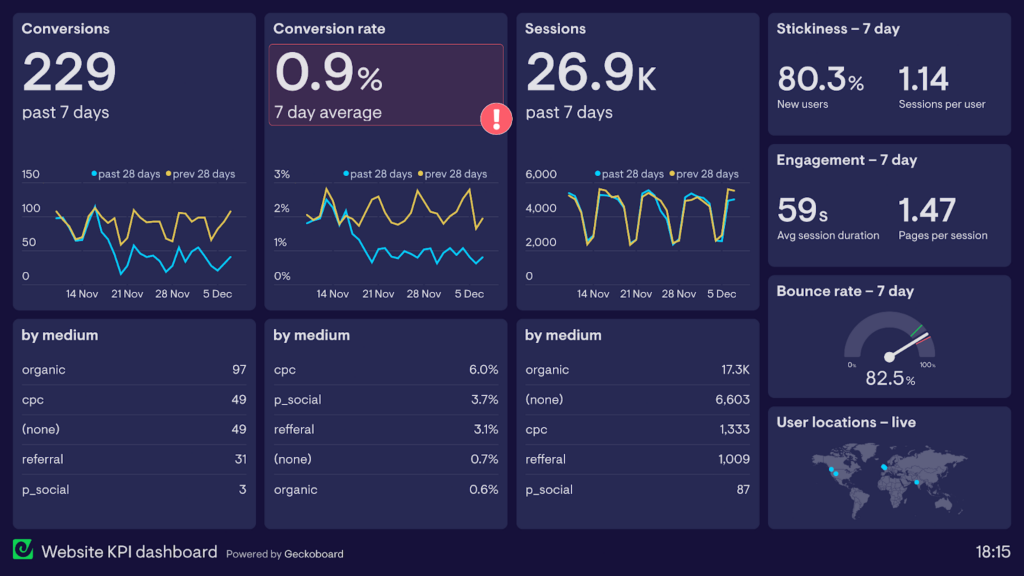
Performance tracking is the systematic process of measuring, reviewing, and improving the outcomes of digital marketing activities. It goes beyond simply checking numbers; it focuses on understanding what those numbers mean for business growth. For SMEs, performance tracking acts as a feedback system that shows whether marketing efforts are moving the business forward or wasting resources.
In practical terms, performance tracking involves regularly monitoring data from different digital channels such as websites, social media platforms, email campaigns, and search engines. This data helps SMEs evaluate how customers interact with their digital presence and whether those interactions are leading to meaningful actions like inquiries, purchases, or repeat visits.
Performance tracking is not a one-time activity. It is a continuous cycle that includes measuring current performance, analyzing results, making improvements, and then measuring again. This cycle allows SMEs to gradually improve marketing effectiveness over time instead of making random or reactive changes.
For SMEs, performance tracking should be understood in a simple and actionable way. It means checking results at regular intervals so that mistakes are not repeated and successful strategies are strengthened. For example, if a business notices that social media posts receive engagement but no website visits, tracking helps identify this gap and take corrective action.
Most importantly, performance tracking helps SMEs replace assumptions with facts. Instead of guessing which platform works best or which content customers prefer, businesses can rely on data to guide decisions. This shift from intuition-based marketing to data-driven marketing is what enables consistent and sustainable growth.
3. Tracking vs Reporting vs Analysis
| Concept | Detailed Explanation (SME Perspective) |
| Tracking | Tracking refers to the basic activity of collecting data from digital platforms. This includes metrics such as website visits, social media likes, email opens, clicks, and reach. Most SMEs only check these numbers occasionally without understanding their meaning. Tracking only tells what happened, not whether it helped the business grow. |
| Reporting | Reporting is the process of organizing tracked data into a structured format such as dashboards, spreadsheets, or summaries. Reports show trends and numbers clearly, for example weekly website traffic or monthly social media reach. However, reporting alone does not explain why results changed or what to do next. |
| Analysis | Analysis involves studying reported data to understand reasons, patterns, and performance gaps. It answers questions like why engagement dropped, why conversions are low, or why one platform performs better than another. This stage helps SMEs identify mistakes, opportunities, and areas that need improvement. |
| Optimization | Optimization is the process of taking action based on analysis. It includes improving content, changing platforms, adjusting budgets, or refining strategies. Optimization answers the most important question: what should be changed to improve results? This stage directly impacts business growth and efficiency. |
4. Why Performance Tracking is CRITICAL for SMEs
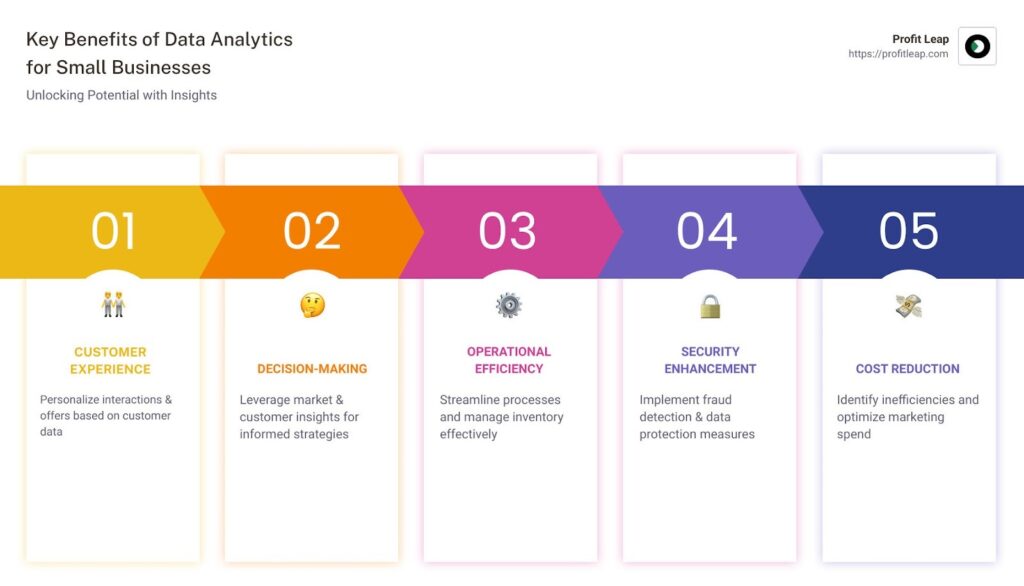
Small and medium enterprises operate with limited budgets, limited manpower, and high competitive pressure. Unlike large organizations, SMEs cannot afford to waste time or money on activities that do not produce results. This makes performance tracking not just useful, but critical for survival and growth. Performance tracking helps SMEs understand whether their digital marketing efforts are contributing to business goals or simply consuming resources.
Without performance tracking, marketing decisions are often based on assumptions, emotions, or trends followed blindly. With tracking in place, SMEs gain clarity, control, and confidence in decision-making. Performance tracking ensures that every marketing action has a purpose and measurable outcome.
4.1 Budget Optimization and Cost Control
One of the biggest challenges for SMEs is managing limited marketing budgets. Performance tracking helps businesses understand where money is generating returns and where it is being wasted. By tracking metrics such as cost per lead, conversion rate, or return on investment, SMEs can identify high-performing channels and eliminate low-performing ones.
For example, if paid ads consume a large budget but produce no leads, tracking highlights this issue early. This allows SMEs to redirect budgets toward more effective channels such as SEO, email marketing, or high-performing social platforms. Budget optimization through tracking helps SMEs grow without unnecessary spending.
4.2 Smarter Channel Selection and Focus
Digital marketing offers multiple platforms such as social media, websites, email, and search engines. SMEs often try to be present everywhere, which leads to scattered efforts and poor results. Performance tracking helps identify which platforms actually work for the business.
By analyzing performance data, SMEs can focus on channels that bring engagement, leads, or sales and reduce effort on platforms that do not contribute to growth. This focused approach improves efficiency and ensures that limited resources are used where they matter most.
4.3 Better Understanding of Customer Behavior
Performance tracking provides valuable insights into customer behavior. It helps SMEs understand what customers like, what they ignore, and how they interact with digital content. Metrics such as page visits, time spent, engagement rates, and click behavior reveal customer preferences and pain points.
For example, if customers frequently visit a service page but do not submit inquiry forms, tracking highlights a conversion gap. SMEs can then improve content, design, or calls-to-action to address this issue. Understanding customer behavior helps businesses improve experience and increase conversions.
4.4 Moving from Emotional to Data-Driven Decisions
Many SMEs make marketing decisions based on personal opinions or short-term trends. Performance tracking replaces emotional decision-making with data-backed logic. Instead of guessing what works, SMEs can rely on actual results to guide strategies.
This shift to data-driven decisions reduces risk and increases confidence. SMEs can experiment, measure outcomes, and improve gradually. Over time, this creates a predictable growth system rather than inconsistent results.
5. Marketing Without Tracking: Real Problems
When SMEs perform digital marketing without tracking performance, marketing becomes an activity rather than a growth system. Businesses may feel busy posting content, running offers, or updating websites, but without data, there is no clarity about whether these actions are producing real business value. Over time, this leads to frustration, wasted resources, and stalled growth.
Marketing without tracking hides problems instead of solving them. SMEs often continue repeating the same actions simply because they are familiar, not because they are effective.
5.1 Effort Without Outcome Visibility
One of the most common problems is putting in continuous effort without understanding outcomes. SMEs may post on social media daily, send emails, or update websites, but they do not know which actions actually contribute to engagement or leads.
For example, a business may post regularly on Instagram but receive no inquiries or website visits. Without tracking, the business assumes the issue is “slow market” or “algorithm problems,” when the real issue could be irrelevant content or wrong audience targeting. Tracking exposes this gap between effort and outcome.
5.2 Wasted Time and Budget
Without tracking, SMEs often spend time and money on activities that do not produce results. Paid promotions may be repeated even if they fail to generate leads. Content may be created repeatedly in formats that customers ignore.
For instance, a business may keep boosting posts because it increases likes, but those likes do not convert into customers. Without tracking conversions, SMEs mistake visibility for success. Over time, this leads to budget leakage and poor return on investment.
5.3 Inability to Identify Breakpoints in the Funnel
Digital marketing involves multiple stages such as visibility, engagement, conversion, and retention. When tracking is absent, SMEs cannot identify where customers are dropping off.
For example, website traffic may be high, but form submissions may be low. Without tracking, SMEs cannot tell whether the problem lies in content quality, page design, trust factors, or call-to-action placement. Tracking helps identify these exact breakpoints so corrective action can be taken.
5.4 Emotional and Reactive Decision-Making
In the absence of data, decisions are driven by emotions, assumptions, or short-term reactions. SMEs may suddenly stop a platform because it “feels useless” or start copying competitors without understanding whether those strategies work.
Performance tracking brings stability to decision-making. Instead of reacting to temporary changes, SMEs can observe patterns over time and take informed actions. This reduces confusion and prevents frequent strategy changes.
6. The Digital Marketing Measurement Framework
The digital marketing measurement framework provides a structured way to evaluate the effectiveness of all online marketing activities. Instead of tracking random metrics, this framework helps SMEs understand how customers move through different stages of interaction with a business. It ensures that performance tracking is aligned with actual business growth rather than vanity numbers.
For SMEs, this framework simplifies performance tracking by dividing the customer journey into clear, measurable stages. Each digital marketing activity fits into one of these stages, making it easier to identify strengths, weaknesses, and areas for improvement.
6.1 Visibility Stage – Who Saw Your Business
The visibility stage measures how many people are exposed to a business through digital platforms. This includes metrics such as reach, impressions, search appearances, and website impressions. Visibility answers the question of whether the business is being discovered by potential customers.
For example, social media reach, Google search impressions, and ad impressions fall into this stage. If visibility is low, it indicates that customers are not discovering the business, regardless of how good the product or service may be. SMEs can improve visibility through SEO, consistent posting, and targeted promotions.
6.2 Engagement Stage – Who Interacted with Your Content
Engagement measures how users interact with content after seeing it. This includes actions such as likes, comments, shares, saves, clicks, and time spent on pages. Engagement shows whether content is relevant and interesting to the audience.
For SMEs, engagement indicates content quality and audience alignment. High visibility with low engagement usually means content is not resonating. Tracking engagement helps SMEs refine messaging, formats, and platforms to better match customer interests.
6.3 Conversion Stage – Who Took Action
The conversion stage measures meaningful actions taken by users, such as form submissions, inquiries, purchases, or bookings. This is the most critical stage for business growth because it directly impacts revenue and leads.
For example, website form submissions, phone calls, and completed purchases are conversion metrics. Tracking conversions helps SMEs understand which channels and campaigns actually drive business outcomes rather than just attention.
6.4 Retention Stage – Who Came Back
Retention measures how many customers return after their first interaction or purchase. This includes repeat visits, repeat purchases, email engagement, and long-term customer interaction.
For SMEs, retention is often more cost-effective than acquiring new customers. Tracking retention helps businesses improve customer relationships and lifetime value through follow-ups, email marketing, and consistent communication.
7. Website Performance Tracking
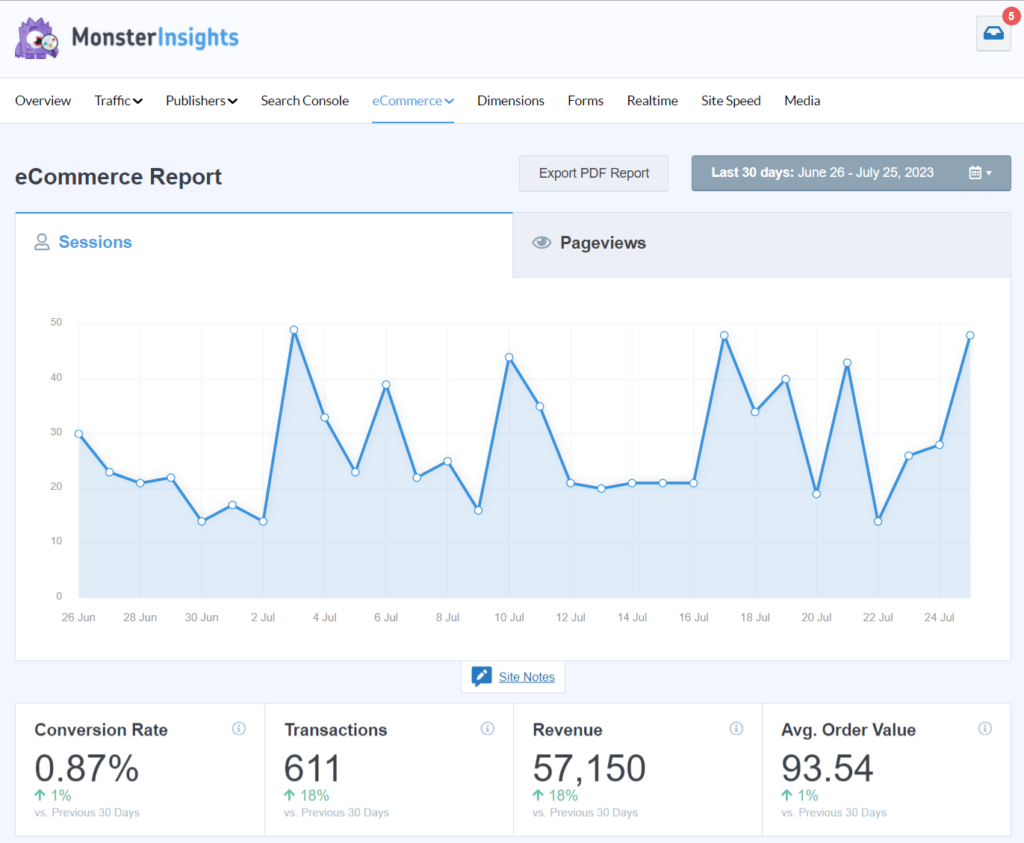
For most SMEs, the website acts as the central point of all digital marketing activities. Social media posts, search results, ads, and emails usually direct users to the website. Because of this, tracking website performance is essential to understand whether digital marketing efforts are actually converting visitors into leads or customers.
A website is not just an online brochure; it performs multiple business roles simultaneously. Performance tracking helps SMEs evaluate whether the website is fulfilling these roles effectively or failing at critical points.
7.1 Role of a Website in Digital Marketing
A website serves as the foundation of digital marketing for SMEs. It acts as a digital salesperson by explaining products or services, answering common questions, and encouraging users to take action. It also functions as an information center where customers learn about the business, pricing, location, and credibility. Additionally, the website plays a trust-building role through testimonials, reviews, certifications, and clear communication.
Tracking website performance helps SMEs understand whether the website is successfully guiding visitors toward desired actions or causing confusion and drop-offs. If visitors leave without engaging, it signals issues in content clarity, structure, or user experience.
7.2 Core Website Performance Metrics Explained
Website performance is measured using a set of core metrics that indicate how users interact with the site. Metrics such as the number of visitors show how many people are reaching the website, while unique users indicate how many individual people are visiting. Page views reveal how many pages users explore during a visit.
Bounce rate measures the percentage of visitors who leave the website after viewing only one page. A high bounce rate often indicates poor relevance, slow loading, or unclear messaging. Average session duration shows how long users stay on the website, which reflects content quality and user interest. Together, these metrics provide a clear picture of website effectiveness.
7.3 Interpreting Website Performance Data
Tracking metrics alone is not enough; SMEs must interpret what these numbers mean. For example, high traffic with very short session duration usually indicates weak or misleading content. Low traffic may suggest problems with SEO, promotion, or visibility. A high bounce rate often points to poor user experience, slow loading speed, or unclear calls-to-action.
By interpreting website data, SMEs can identify specific issues such as weak landing pages, confusing navigation, or ineffective content placement. This insight helps businesses make targeted improvements instead of redesigning the entire website blindly.
8. User Behavior Analysis
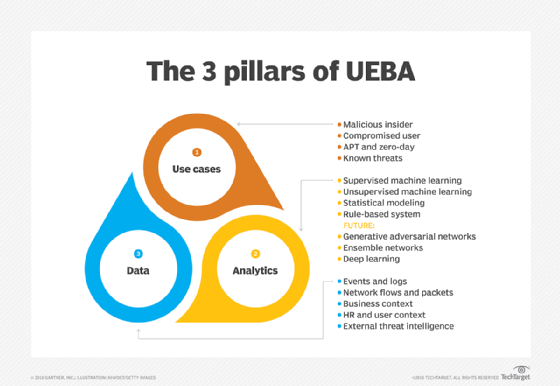
User behavior analysis focuses on understanding how visitors interact with a website after they arrive. While website performance metrics show what is happening, user behavior analysis explains how and why users move through the website in a particular way. For SMEs, this analysis is crucial because it reveals whether visitors are finding what they need or leaving due to confusion or poor experience.
By studying user behavior, SMEs can improve website structure, content placement, and conversion paths instead of making random changes.
8.1 Understanding How Users Navigate the Website
User behavior tracking shows which pages visitors view first, which pages they visit next, and where they exit the website. This navigation flow helps SMEs understand whether the website structure is logical and user-friendly.
For example, if most users land on the homepage but leave without visiting service pages, it may indicate that important information is not clearly visible. If users frequently visit a pricing page and then exit, it may suggest confusion, lack of trust signals, or unclear value communication. Understanding navigation patterns helps SMEs redesign flow based on real user actions.
8.2 Identifying High-Performing and Exit Pages
User behavior analysis highlights the most visited pages as well as pages where users commonly leave the website. High-performing pages indicate what content or offers attract users, while exit pages reveal potential problem areas.
For SMEs, exit pages are especially important. If users consistently leave from a contact form page, the form may be too long or unclear. If they exit from a product page, the issue may be pricing, lack of details, or missing trust elements. Tracking this behavior helps businesses fix specific pages instead of guessing.
8.3 Improving Website Structure and Content Placement
Behavior data helps SMEs optimize website structure by placing important content where users naturally look. For example, if analytics show that users scroll only halfway down a page, critical information and calls-to-action should be placed higher.
SMEs can also identify which content formats perform better, such as short descriptions versus long explanations. By aligning website design with real user behavior, businesses improve engagement, reduce drop-offs, and increase conversions.
9. SEO Performance Tracking
SEO performance tracking focuses on measuring how well a business appears and performs on search engines such as Google. For SMEs, SEO is one of the most cost-effective long-term digital marketing strategies, but its benefits are only visible when performance is tracked properly. Without tracking, SMEs cannot know whether their SEO efforts are improving visibility, attracting the right audience, or generating business results.
SEO tracking helps SMEs understand how customers discover their business through search, what keywords bring traffic, and whether search visibility is improving over time. It connects SEO activities directly to website visits, inquiries, and conversions.
9.1 Keyword Performance Tracking
Keyword tracking measures how well a business ranks for specific search terms that customers use. These keywords represent customer intent, such as searching for services, products, or solutions. Tracking keyword performance helps SMEs understand which keywords bring visibility and traffic and which ones require improvement.
For example, a coaching institute may track keywords related to course names and locations. If a keyword shows impressions but no clicks, it may indicate weak titles or descriptions. If rankings improve but traffic remains low, the keyword intent may not match the business offering. Keyword tracking helps SMEs refine SEO focus instead of targeting random terms.
9.2 Search Visibility and Traffic Metrics
SEO performance is also measured through visibility metrics such as search impressions, clicks, click-through rate (CTR), and average ranking position. Impressions show how often a website appears in search results, while clicks indicate how many users actually visit the website from search.
For SMEs, these metrics reveal whether SEO content is being discovered and whether it attracts user interest. A high impression count with low clicks usually points to weak titles or descriptions, while low impressions suggest poor keyword targeting or limited content. Tracking these metrics helps SMEs improve both visibility and engagement from search results.
9.3 Understanding SEO Progress Over Time
SEO does not deliver instant results. Performance tracking helps SMEs observe gradual improvement rather than expecting immediate outcomes. By comparing data monthly, SMEs can identify trends such as increasing impressions, rising keyword positions, or steady growth in organic traffic.
For example, a local business may notice that organic traffic slowly increases over three months even if leads appear later. This indicates that SEO efforts are moving in the right direction. Tracking progress over time helps SMEs remain patient, consistent, and confident in their SEO strategy.
10. Social Media Performance Tracking
10.1 Why Social Media Performance is Often Misunderstood
One of the biggest mistakes SMEs make is equating likes and followers with growth. While these numbers look positive, they do not always translate into inquiries, leads, or sales. A post may receive many likes but generate no website visits or customer interaction.
Performance tracking helps SMEs move beyond surface-level numbers and understand actual value. For example, a post with fewer likes but higher profile visits or link clicks may be far more valuable than a viral post with no conversions. Tracking helps shift focus from popularity to performance.
10.2 Core Social Media Performance Metrics
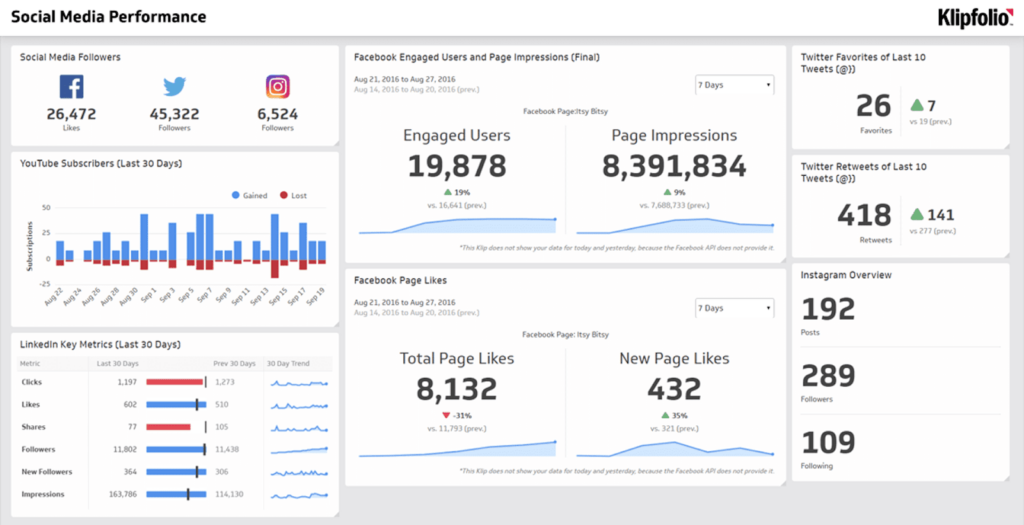
Social media performance is measured using a combination of reach, impressions, engagement, and action-based metrics. Reach shows how many unique users saw the content, while impressions show how many times the content was displayed. Engagement metrics such as likes, comments, shares, and saves indicate how users interact with content.
More importantly, action-based metrics such as profile visits, website clicks, and message inquiries show business intent. For SMEs, these metrics reveal whether social media is driving customer interest beyond passive viewing.
10.3 Platform-Specific Performance Understanding
Each social media platform behaves differently, and performance should be evaluated accordingly. Instagram focuses heavily on reach, saves, shares, and story interactions. Facebook performance is often measured through engagement and link clicks. LinkedIn performance is more aligned with impressions, profile views, and lead generation.
Tracking platform-specific metrics helps SMEs understand where their audience is most active and responsive. Instead of using the same strategy everywhere, businesses can tailor content and effort based on platform performance data.
11. Content Performance Analysis
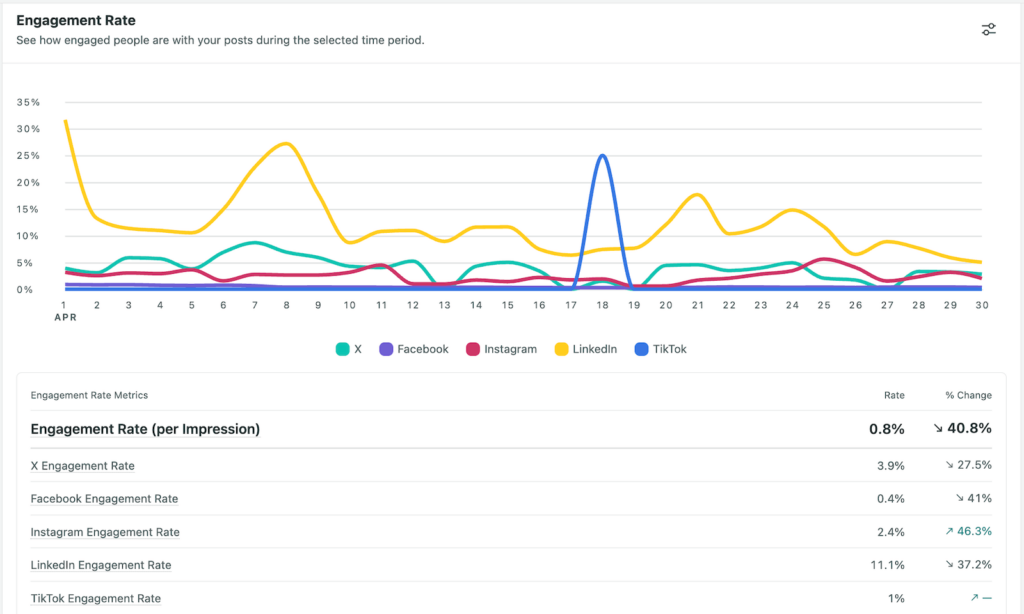
11.1 Why Social Media Performance is Often Misunderstood
One of the biggest mistakes SMEs make is equating likes and followers with growth. While these numbers look positive, they do not always translate into inquiries, leads, or sales. A post may receive many likes but generate no website visits or customer interaction.
Performance tracking helps SMEs move beyond surface-level numbers and understand actual value. For example, a post with fewer likes but higher profile visits or link clicks may be far more valuable than a viral post with no conversions. Tracking helps shift focus from popularity to performance.
11.2 Core Social Media Performance Metrics
Social media performance is measured using a combination of reach, impressions, engagement, and action-based metrics. Reach shows how many unique users saw the content, while impressions show how many times the content was displayed. Engagement metrics such as likes, comments, shares, and saves indicate how users interact with content.
More importantly, action-based metrics such as profile visits, website clicks, and message inquiries show business intent. For SMEs, these metrics reveal whether social media is driving customer interest beyond passive viewing.
11.3 Platform-Specific Performance Understanding
Each social media platform behaves differently, and performance should be evaluated accordingly. Instagram focuses heavily on reach, saves, shares, and story interactions. Facebook performance is often measured through engagement and link clicks. LinkedIn performance is more aligned with impressions, profile views, and lead generation.
Tracking platform-specific metrics helps SMEs understand where their audience is most active and responsive. Instead of using the same strategy everywhere, businesses can tailor content and effort based on platform performance data.
12. Email Marketing Performance Tracking
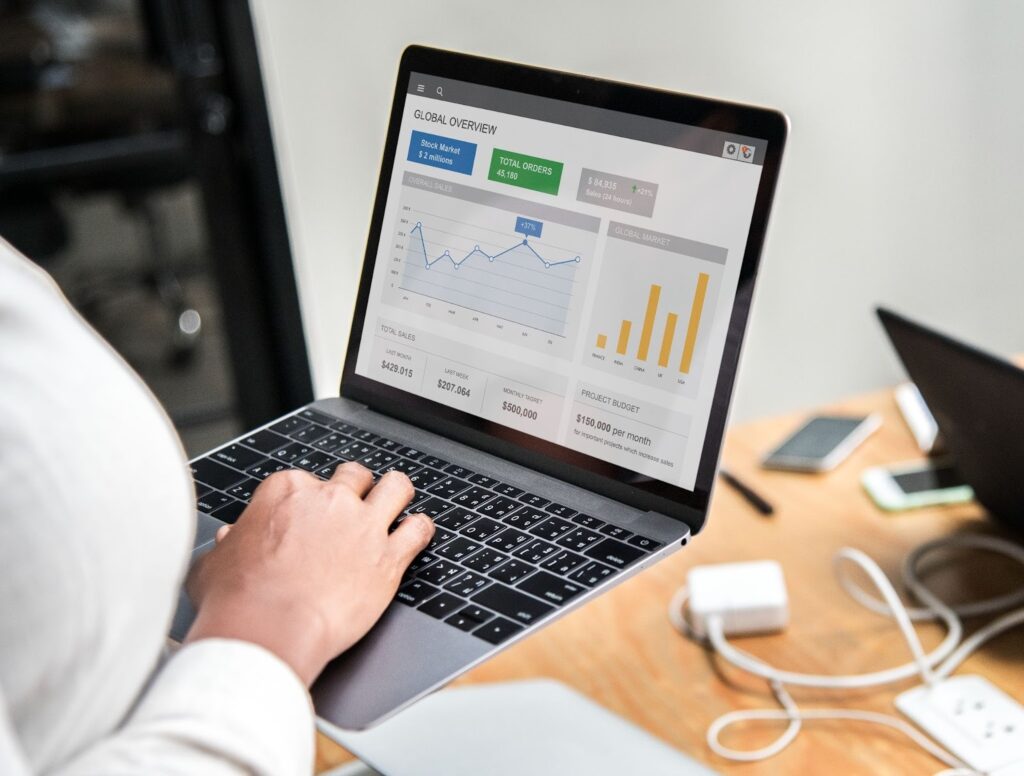
Email marketing performance tracking helps SMEs evaluate how effectively their emails engage recipients and support business objectives. Because email is a direct communication channel, its performance reflects customer interest and relationship strength. Tracking email performance ensures that emails are not just being sent, but are actually being read, engaged with, and acted upon.
Without tracking, SMEs may continue sending emails that are ignored or unsubscribed from, assuming email marketing is ineffective. Performance tracking reveals what needs improvement and how communication can be optimized.
12.1 Why Email Performance Metrics Matter
Email metrics provide direct feedback on customer response. Metrics such as open rates, click-through rates, replies, and unsubscribes indicate whether subject lines are effective, content is relevant, and timing is appropriate.
For SMEs, email performance tracking is especially valuable because it requires minimal effort but delivers clear insights. A drop in open rates may indicate weak subject lines, while low click rates may suggest unclear calls-to-action. Tracking these signals helps SMEs adjust email strategy before engagement declines further.
12.2 Core Email Performance Metrics Explained
Email performance is measured using a few key metrics that indicate different stages of engagement. Open rate shows how many recipients opened the email, reflecting subject line effectiveness. Click-through rate (CTR) shows how many users clicked on links inside the email, indicating content relevance and clarity. Reply rate measures direct responses, often useful for service-based businesses. Unsubscribe rate indicates dissatisfaction or over-communication.
Together, these metrics provide a complete picture of email effectiveness and customer interest.
12.3 Using Email Performance Data to Improve Results
Tracking email metrics is useful only when insights are applied. SMEs can improve email performance by testing different subject lines, adjusting email timing, simplifying content, or improving calls-to-action.
For example, if emails are opened but not clicked, content structure or CTA placement may need improvement. If unsubscribes increase, frequency or content value may need adjustment. Continuous monitoring and improvement help SMEs maintain healthy email engagement and long-term customer relationships.
13. KPI (Key Performance Indicator) Framework
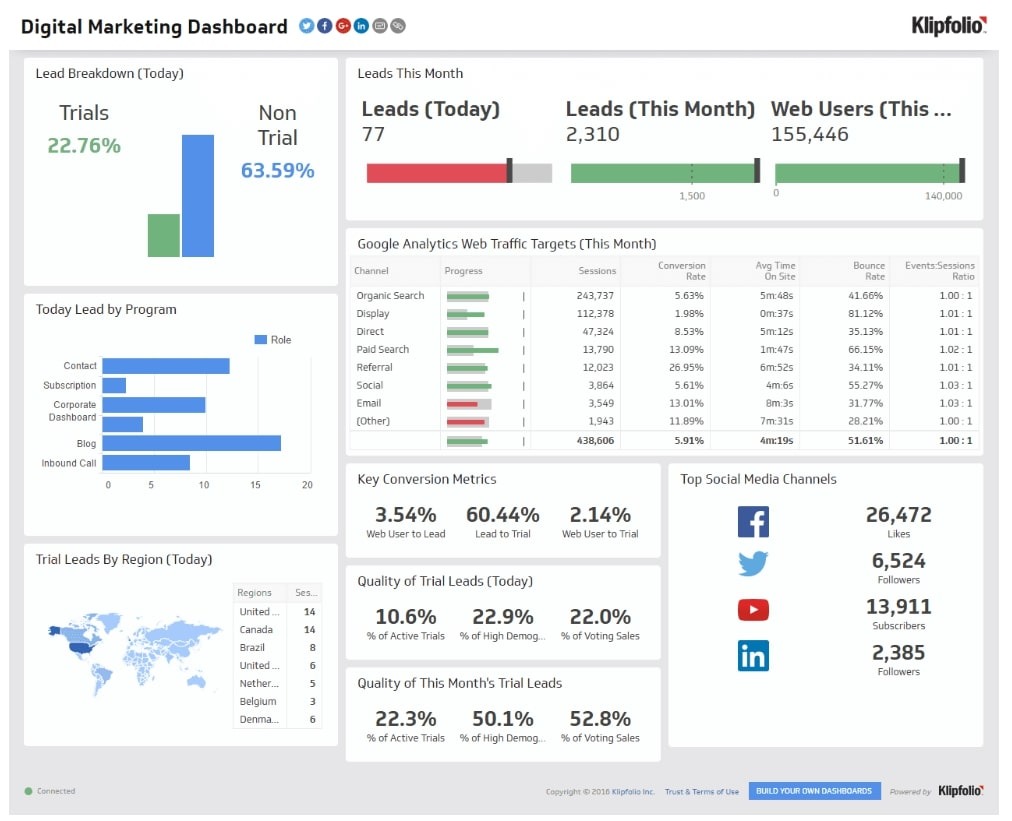
Key Performance Indicators (KPIs) are the most important metrics used to measure whether digital marketing activities are contributing to real business goals. While many metrics exist in digital marketing, not all of them are meaningful for decision-making. KPIs help SMEs focus only on the numbers that actually indicate growth, efficiency, and progress.
For SMEs, KPIs act as a bridge between marketing activity and business results. They translate digital actions such as website visits, social media engagement, or email campaigns into measurable business outcomes like leads, sales, and revenue growth. Without KPIs, businesses may track data but fail to understand whether marketing efforts are successful.
13.1 What KPIs Mean for SMEs
For small and medium enterprises, KPIs represent business-focused measurements rather than platform-focused numbers. A KPI answers a simple but critical question: Is this marketing activity helping the business grow?
For example, the number of likes on a post is a metric, but the number of inquiries generated from that post is a KPI. SMEs should prioritize KPIs that are directly connected to business objectives such as lead generation, customer acquisition, and retention. This ensures that marketing decisions are aligned with real outcomes rather than popularity.
13.2 Good KPIs vs Poor KPIs
Not all metrics qualify as KPIs. Good KPIs are actionable, measurable, and directly linked to business goals. Examples include cost per lead, conversion rate, monthly revenue growth, or repeat customer rate. These KPIs help SMEs evaluate efficiency and profitability.
Poor KPIs focus only on surface-level visibility such as likes, views, or follower counts without considering business impact. While these metrics provide some insight, relying on them alone can be misleading. SMEs that focus only on poor KPIs may feel successful without achieving actual growth.
13.3 Aligning KPIs with Business Objectives
KPIs must always be selected based on business goals. If the goal is lead generation, KPIs should focus on form submissions, inquiries, or cost per lead. If the goal is sales growth, KPIs should focus on conversion rate, average order value, and revenue. If retention is the objective, repeat purchases and email engagement become key KPIs.
For SMEs, this alignment ensures clarity and focus. Instead of tracking many unrelated numbers, businesses track a small set of meaningful KPIs that guide strategy and improvement.
14. Free Tools for Performance Tracking
Performance tracking does not require expensive software or advanced technical systems. Many powerful and reliable tools are available for free, making performance tracking accessible even to small businesses and startups. For SMEs, these tools are more than sufficient to monitor digital marketing results, understand customer behavior, and make data-driven decisions.
Free performance tracking tools help SMEs move from assumptions to clarity. When used consistently, they provide actionable insights that improve marketing efficiency without increasing costs.
14.1 Google Analytics – Website & User Behavior Tracking
Google Analytics is one of the most important free tools for performance tracking. It helps SMEs understand how users interact with their website, where visitors come from, and what actions they take.
Using Google Analytics, SMEs can track metrics such as website traffic, user behavior, session duration, bounce rate, and conversions. For example, a business can identify which pages attract the most visitors and which pages cause users to leave quickly. This insight helps improve website structure, content placement, and conversion paths.
For SMEs, Google Analytics acts as a digital mirror that shows whether the website is performing its role as a salesperson and lead generator.
14.2 Google Search Console – Search Visibility & SEO Tracking
Google Search Console focuses on how a website performs on Google search. It helps SMEs track search impressions, clicks, keyword positions, and technical issues that affect visibility.
Through Search Console, SMEs can understand which keywords bring traffic, which pages appear in search results, and where improvements are needed. For example, if a page receives many impressions but few clicks, it may need better titles or descriptions. This tool helps SMEs improve SEO performance without paid tools.
Search Console is especially valuable for local and service-based businesses that depend heavily on search visibility.
14.3 Platform Insights – Social Media Performance Tracking
Most social media platforms provide built-in analytics tools known as platform insights. These tools help SMEs track reach, engagement, profile visits, and content performance directly within the platform.
For example, Instagram Insights shows reach, saves, shares, and profile visits, while Facebook and LinkedIn provide engagement and click data. These insights help SMEs understand which content formats and topics perform best and which platforms deliver meaningful engagement.
Platform insights allow SMEs to optimize content strategy without relying on external paid tools.
14.4 Google Sheets – Manual KPI Tracking and Control
Google Sheets is a simple yet powerful tool for manual performance tracking. SMEs can use it to create KPI dashboards, weekly reports, and monthly performance summaries.
By manually entering key metrics such as website traffic, leads, conversions, and engagement, SMEs develop discipline and awareness. Google Sheets helps businesses compare performance over time and connect data from different platforms in one place.
For SMEs, manual tracking improves accountability and ensures that data is reviewed regularly rather than ignored.
15. Creating a Manual KPI Dashboard
A manual KPI dashboard is a simple system that helps SMEs track important performance indicators in one place. Unlike automated dashboards that may feel complex, a manual dashboard encourages regular review, discipline, and deeper understanding of data. For SMEs, manual tracking builds the habit of observing performance rather than ignoring it.
A KPI dashboard does not need to look technical or complicated. It only needs to clearly show what is being tracked, where the data comes from, and what action is required. When maintained consistently, a manual dashboard becomes a powerful decision-making tool.
15.1 Purpose of a Manual KPI Dashboard
The primary purpose of a manual KPI dashboard is clarity. It helps SMEs see all important performance indicators together instead of checking multiple platforms separately. By recording KPIs manually, business owners are forced to look at numbers regularly and reflect on performance.
For example, instead of casually checking Instagram likes or website visits, an SME writes down weekly reach, leads generated, and conversions. This practice improves awareness and reduces emotional decision-making.
15.2 Basic Structure of a KPI Dashboard
A simple manual KPI dashboard can be created using Google Sheets or Excel. It usually includes basic columns such as date, platform, KPI name, value, and action taken.
For instance, one row may show website leads for a specific week, while another row may show email open rates. The “action” column is especially important because it connects data with decision-making. This structure keeps tracking practical and business-focused.
15.3 How Manual Tracking Improves Discipline
Manual tracking requires SMEs to actively engage with performance data. Writing numbers down forces attention and accountability. Over time, patterns become visible, such as consistent growth, decline, or stagnation.
For example, an SME may notice that website leads increase every month while social media inquiries remain flat. This insight encourages better allocation of effort and resources. Manual dashboards make performance tracking intentional rather than passive.
16. Key Takeaways
Performance tracking is more important than simply doing digital marketing because it converts effort into clarity. For SMEs, marketing without tracking leads to wasted time, wasted budget, and emotional decision-making. Tracking ensures that every digital activity is evaluated based on real business impact rather than assumptions.
A major takeaway from this module is the difference between tracking, reporting, analysis, and optimization. Most SMEs stop at tracking numbers or viewing reports, but real growth happens only when data is analyzed and actions are taken to improve performance. Data without action has no value.
The digital marketing measurement framework—visibility, engagement, conversion, and retention—helps SMEs understand the complete customer journey. Tracking each stage separately allows businesses to identify exactly where customers drop off and what needs improvement, instead of making random changes.
Website, SEO, social media, content, and email performance tracking together provide a complete picture of digital marketing effectiveness. Each channel plays a different role, and tracking helps SMEs focus on channels that actually generate leads, sales, or long-term customers.
KPIs are the most critical metrics because they connect marketing activity with business goals. SMEs must focus on meaningful KPIs such as leads, conversion rate, cost per lead, and revenue growth rather than vanity metrics like likes or views alone.
Finally, the use of free tools and manual KPI dashboards proves that performance tracking does not require expensive software. Consistency, discipline, and regular review matter more than tools. When SMEs track performance continuously and act on insights, digital marketing becomes predictable, controllable, and scalable.
Module Summary
This module focused on the importance of performance tracking in digital marketing for small and medium enterprises. It explained that marketing activities alone do not guarantee growth unless their results are measured, analyzed, and improved. Performance tracking helps SMEs move away from guesswork and emotional decisions toward data-driven and logical decision-making.
The module introduced key concepts such as tracking, reporting, analysis, and optimization, emphasizing that real growth happens only when data is analyzed and actions are taken based on insights. It also explained the digital marketing measurement framework, which includes visibility, engagement, conversion, and retention, helping SMEs understand the complete customer journey.
Detailed coverage was given to tracking performance across different channels such as websites, SEO, social media, content, and email marketing. The module highlighted how each channel contributes differently to business goals and why tracking is necessary to identify strengths, weaknesses, and improvement areas.
The importance of KPIs (Key Performance Indicators) was discussed to help SMEs focus on meaningful, business-oriented metrics rather than vanity numbers. Free tools and manual KPI dashboards were introduced to show that effective performance tracking can be done without expensive software.
Overall, this module established performance tracking as a continuous improvement process that enables SMEs to optimize budgets, improve customer understanding, and achieve sustainable digital marketing growth.
Module 5 Quiz: Introduction to Digital Marketing

