
AI Chatbots for Business: Is It Time to Jump On Board?

In the last couple of years, you’ve probably noticed something different about the way brands talk to you online. That quick reply on a website at midnight? The “Hi there, how can I help?” box that pops up on your screen before you even click anything? That’s not just customer service on steroids—it’s the rise of AI chatbots.
From websites to Instagram DMs to customer support portals—AI chatbots are quietly running the show.
But here’s the thing: they’re not just answering “Where’s my order?” anymore. They’re qualifying leads, closing sales, recommending products, and sometimes even cracking a joke or two. They’re everywhere. From e-commerce stores to service-based businesses, companies are using chatbots to handle inquiries, make sales, and sometimes even crack a joke or two. But before you jump in and add one to your website or social media, it’s worth asking: is this just a passing tech trend, or a long-term game changer for your business?
So is it time for your business to join the chatbot club? Let’s walk through the why, the how, and the make-sure-you-don’t-mess-it-up steps.
Let’s dig in and figure it out.
Why AI Chatbots Are Having a Big Moment
First, the tech has matured. Early chatbots were like those interns on their first day—lots of enthusiasm, not much skill. Now, thanks to AI and natural language processing, chatbots understand context, tone, and even intent.
Why Are Businesses So Obsessed with AI Chatbots?
There’s a simple reason: speed + personalization.
Customers don’t want to wait 24 hours for an email reply. They want answers right now. And AI chatbots can deliver that 24/7, without coffee breaks or weekends off.
From a business perspective, they can:
- Reduce support costs by handling repetitive questions
- Capture leads while visitors are still interested
- Increase sales by recommending products or services in real-time
- Scale easily without hiring extra staff for every growth stage
When you look at it that way, chatbot marketing starts to sound less like a trend and more like a wise investment.
But Do Customers Actually Like Chatbots?
This is where it gets interesting. Some people still prefer speaking to a real human, but studies show that when chatbots are done right—fast, helpful, and friendly—they can improve satisfaction.
Think of it this way: if you walk into a store and someone immediately greets you, helps you find what you’re looking for, and answers your questions on the spot, you’re happy. An AI chatbot can do exactly that online. This is one of the best examples of how chatbots improve customer experience. They remove friction from the buying process, give instant help, and make people feel attended to—without the wait time.
How to Decide If Your Business Needs an AI Chatbot
Not every business needs one tomorrow, but here’s a quick framework to see if you’d benefit:
- Do customers frequently ask the same questions? (e.g., store hours, pricing, policies)
- Do you get inquiries outside business hours?
- Do you lose leads because you don’t respond quickly enough?
- Do you want to collect data about customer behavior for better marketing?
If you answered “yes” to at least two of these, it’s worth exploring.
Types of Chatbot Marketing Strategies That Work
Just having a bot isn’t enough—you need a plan. Here are three strategies that are working well for small and mid-sized businesses:
Lead Qualification Bots
These chatbots greet visitors, ask a few questions, and then direct qualified leads to your sales team. Perfect for B2B businesses.
E-commerce Product Guides
AI chatbots can recommend products based on a user’s needs, upsell, and even handle checkout.
Post-Purchase Follow-ups
Your chatbot can check in after a sale, offer setup tips, or request a review. This not only improves customer experience but also strengthens retention.
How do chatbots improve customer experience?
Second, the audience is ready. Customers want fast answers, but they also don’t want to sit on hold or wait for an email reply. That’s where chatbots improve customer experience: 24/7 availability, instant responses, and the ability to handle multiple requests at once.
Third, the numbers speak for themselves. Studies show chatbot adoption in customer-facing roles is expected to skyrocket in the next two years, and businesses using chatbot marketing are seeing lower support costs and higher conversion rates.
The Value Chatbots Bring to Your Business
Let’s get practical:
- Lead qualification on autopilot – Instead of your sales team chasing cold leads, a chatbot can ask the right questions and pass only the warm ones along.
- Round-the-clock customer service – Perfect for global businesses or night owls browsing at 2 a.m.
- Personalized experiences at scale – Recommend products, send tailored offers, and keep the conversation relevant without burning out your team.
And here’s the kicker: even small businesses can now access the best AI chatbot tools for small businesses that were once only available to enterprise players.
How to Get Started Without Getting Overwhelmed
You don’t need to roll out a full-scale AI deployment tomorrow. Start small:
- Define the Job
Decide what you want the chatbot to do. Customer support? Lead gen? Sales? Pick one primary role before trying to do it all.
- Choose the Right Tool
Look for platforms that integrate easily with your CRM, email, or social channels. Many of the best AI chatbot tools for small businesses come with drag-and-drop builders—no coding required.
- Train It Like You Would a New Team Member
Feed it FAQs, past chat logs, and product info. The brighter it is from day one, the fewer frustrated customers you’ll have.
- Keep a Human in the Loop
Chatbots should handle the basics, but customers still appreciate knowing a real person is just a click away.
When AI Chatbots Work (And When They Don’t)
They work when:
- You have a steady flow of repetitive queries
- You want to nurture leads without overloading your sales team
- You want consistent, branded communication at any hour
They don’t work when:
- Your audience needs deep, high-emotion interactions (think legal disputes or sensitive health issues)
- You set them loose without testing—nothing tanks trust faster than a bot giving the wrong info
Should You Jump on Board?
Here’s a simple test: If you regularly hear your team say, “We’re too busy to answer everyone quickly,” then yes, a chatbot could change your life.
If you’re still unsure, consider starting with chatbot marketing on a small campaign—like using a bot to deliver a free guide in exchange for emails. That way, you can see how AI chatbots fit into your overall engagement strategy without betting the farm.
Common Mistakes to Avoid with Chatbots
If you’re going to use an AI chatbot, make sure you don’t fall into these traps:
- Over-automation: If a conversation is getting complex, let a human step in.
- Generic responses: Personalize where possible so customers feel seen.
- No testing: Launching a chatbot without testing can lead to awkward or incorrect answers.
Choosing the Best AI Chatbot Tools for Small Businesses
There are dozens of options out there, and picking the right one can feel overwhelming. The best AI chatbot tools for small businesses generally have:
- Easy drag-and-drop setup
- Integration with your website, CRM, or social media
- Affordable pricing tiers
- Customization options so the bot reflects your brand voice
Some popular names include Tidio, ManyChat, and Intercom—but the “best” depends on your goals and budget.
The Future Is Conversational
The next wave of AI chatbots won’t just respond—they’ll predict needs, adapt to customer moods, and offer hyper-personalized experiences that feel more human than some human interactions.
If your competitors are already exploring how chatbots improve customer experience, waiting too long might mean playing catch-up later. And in today’s market, catch-up is expensive.
Quick Action Plan
- Identify your top 5 most common customer questions
- Choose a chatbot platform that fits your budget and goals
- Set up automated but friendly scripts for FAQs
- Test and refine based on customer feedback
In other words, start small, track results, and scale up once you see value.
Your Move
If you’re ready to explore the best AI chatbot tools for small businesses, start by mapping your most common customer touchpoints and identifying where automation could create the most significant impact.
Remember, the goal isn’t to replace human connection—it’s to enhance it. The best businesses use AI to free up their teams for the conversations that matter most.
Need help figuring out if a chatbot is right for your brand? We can help you map out your chatbot marketing strategy and choose the best AI chatbot tools for small businesses that fit your goals.
Recent posts
-
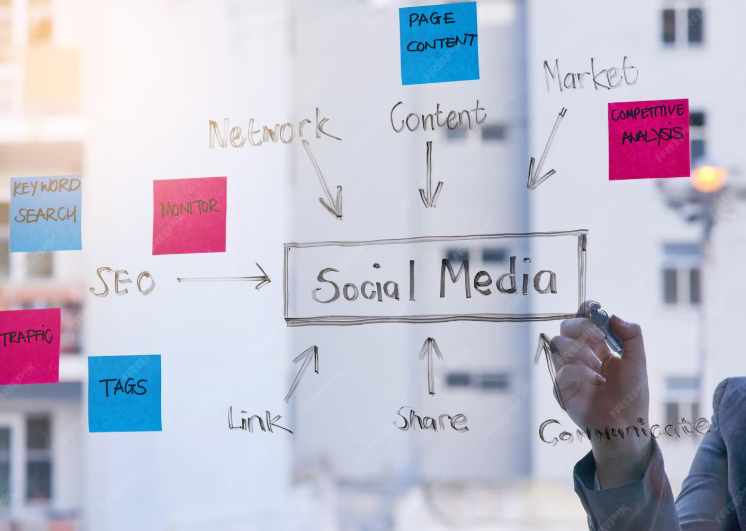 How social media is becoming the new search engine and what this means for your content strategy
 -
 How to use Answer Engine Optimisation and Generative Engine Optimisation to future-proof your brand visibility
 -
 How to adapt your SEO strategy for Google’s AI Overviews and generative search in 2026
 -
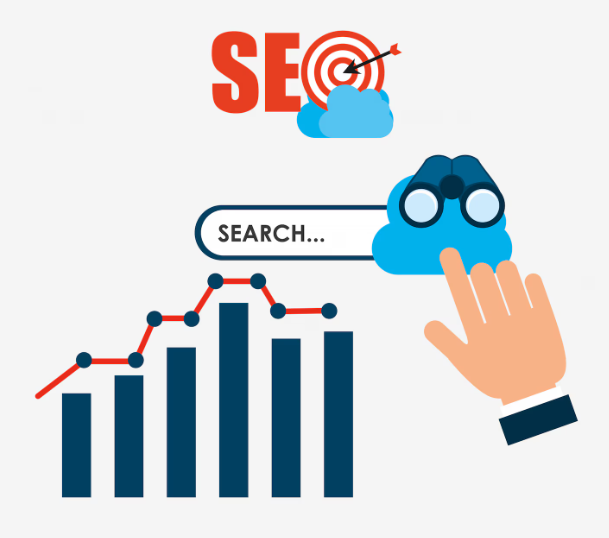 Is your organic traffic going down? Here’s how AI SEO tools can help you recover it
 -
 Top 10 high-paying digital marketing skills students can learn in 2025 to build a career.
 -
 How learning seo in 2025 can help students land freelance projects while still in college
 -
 Student to pro in 6 months, join Pune’s best digital marketing academy
 -
 Best Digital Marketing Training in Pune | Unlock Your Career Potential
 -
 How to optimise for voice & visual search: digital marketing trends you can’t ignore
 -
 The Rise of AI Chatbots: Should Your Business Jump on Board?

