
7 Proven Tips to Optimize Your Display Advertising Campaigns
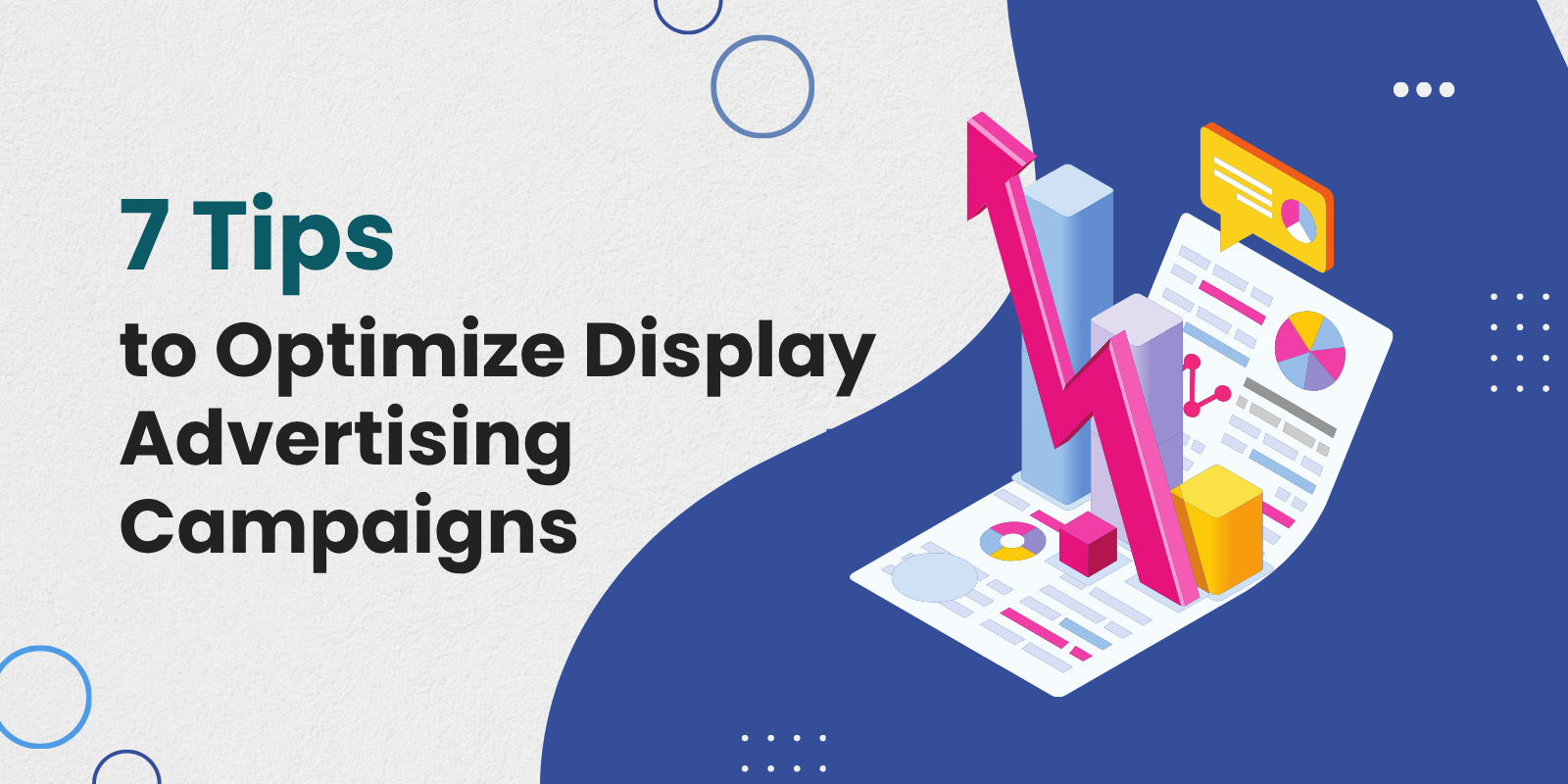
Display advertising remains one of the most effective ways to increase brand visibility and reach potential customers across the internet. From banner ads on websites to rich media ads within mobile apps, display campaigns allow brands to engage audiences visually while they browse content online.
However, simply launching display ads isn’t enough to guarantee strong performance. Many campaigns struggle with low engagement or weak conversion rates because they lack strategic optimization.
To achieve better results, marketers need to focus on improving targeting, creative design, and campaign management. In this guide, we’ll explore seven proven tips that can help you optimize your display advertising campaigns and maximize their effectiveness.
Understanding the Role of Display Advertising
Display advertising involves placing visual ads across websites, apps, and digital platforms to reach targeted audiences. These ads can include static banners, interactive creatives, videos, or responsive formats that adapt to different devices.
Unlike search advertising, where users actively look for products or services, display ads often reach people earlier in the customer journey. This makes display campaigns particularly valuable for increasing brand awareness, introducing new products, and guiding potential customers toward future conversions.
When optimized correctly, display advertising can support the entire marketing funnel—from awareness to purchase.
Why Display Ad Optimization Matters
Running display ads without optimization can lead to wasted budget and missed opportunities. With so many advertisers competing for attention online, effective optimization helps ensure your campaigns stand out and reach the right audience.
Running display ads without optimization can lead to wasted budget and missed opportunities. With so many advertisers competing for attention online, effective optimization helps ensure your campaigns stand out and reach the right audience.
Optimized campaigns improve several key outcomes, including higher click-through rates, stronger engagement, and better return on ad spend. By continuously refining targeting strategies and creative elements, marketers can increase the chances that their ads resonate with viewers.
Optimization also allows businesses to adapt campaigns based on performance data, ensuring that advertising budgets are used efficiently.
1. Define Clear Campaign Goals
Before launching a display advertising campaign, it’s important to establish clear objectives. Your campaign may focus on increasing brand awareness, generating website traffic, capturing leads, or driving product sales.
Each goal requires a slightly different approach in terms of creative design, targeting strategy, and performance metrics. For example, awareness campaigns often prioritize reach and impressions, while conversion campaigns focus more on engagement and return on investment.
Clear goals provide direction and help marketers evaluate campaign performance more accurately.
2. Target the Right Audience Segments
One of the most powerful advantages of display advertising is the ability to reach highly specific audiences. Instead of showing ads to broad groups, marketers should focus on targeting users who are most likely to engage with the brand.
One of the most powerful advantages of display advertising is the ability to reach highly specific audiences. Instead of showing ads to broad groups, marketers should focus on targeting users who are most likely to engage with the brand.
Audience segmentation can be based on demographics, interests, online behaviors, geographic location, or previous interactions with a website. By refining targeting criteria, advertisers can ensure their ads appear in front of users who are more likely to respond.
Effective targeting reduces wasted impressions and increases the overall efficiency of display campaigns.
3. Design Visually Compelling Creatives
Display ads rely heavily on visual appeal to capture attention. A strong design can make the difference between a user noticing an ad or ignoring it completely.
Display ads rely heavily on visual appeal to capture attention. A strong design can make the difference between a user noticing an ad or ignoring it completely.
Use high-quality images, clear typography, and bold color contrasts to create visually striking ads. The message should be simple and easy to understand at a glance, since many users only spend a few seconds scanning content.
Including a clear call-to-action encourages viewers to take the next step, whether that’s visiting a website or learning more about a product.
4. Use Retargeting to Re-Engage Visitors
Many users who visit a website leave without taking immediate action. Retargeting allows marketers to reconnect with these visitors by displaying ads to them across other websites and platforms.
Many users who visit a website leave without taking immediate action. Retargeting allows marketers to reconnect with these visitors by displaying ads to them across other websites and platforms.
Because these users have already shown interest in the brand, retargeting campaigns often achieve higher engagement and conversion rates than general display ads.
Strategically reminding potential customers about products they previously viewed can significantly increase the likelihood of completing a purchase.
5. Optimize Ads for Mobile Devices
A large portion of digital browsing now occurs on smartphones and tablets. If display ads are not optimized for smaller screens, they may appear distorted or difficult to interact with.
Responsive ad formats help ensure that creatives adjust automatically to different screen sizes and devices. Marketers should also prioritize concise messaging and easy-to-tap calls-to-action for mobile users.
Optimizing for mobile improves the overall user experience and expands the reach of display campaigns.
6. Test Multiple Variations of Your Ads
Testing different ad variations helps marketers identify which creative elements perform best. Small changes—such as adjusting headlines, images, or call-to-action buttons—can significantly influence campaign results.
Running A/B tests allows advertisers to compare multiple versions of an ad and determine which one generates stronger engagement. Once high-performing creatives are identified, marketers can allocate more budget toward those versions.
Continuous testing ensures that campaigns evolve and improve over time.
7. Track Performance and Adjust Strategy
Monitoring campaign performance is essential for long-term success. Key metrics such as impressions, click-through rates, conversions, and return on ad spend provide valuable insights into how well display ads are performing.
Monitoring campaign performance is essential for long-term success. Key metrics such as impressions, click-through rates, conversions, and return on ad spend provide valuable insights into how well display ads are performing.
Analyzing these metrics helps marketers understand what works and what needs improvement. If certain audience segments or creative formats perform better than others, budgets and strategies can be adjusted accordingly.
Regular performance analysis ensures campaigns remain aligned with marketing goals and continue delivering strong results.
Final Thoughts
Display advertising remains a powerful channel for building brand awareness and driving customer engagement. When executed strategically, display campaigns can support every stage of the customer journey—from introducing potential customers to your brand to encouraging final conversions.
Display advertising remains a powerful channel for building brand awareness and driving customer engagement. When executed strategically, display campaigns can support every stage of the customer journey—from introducing potential customers to your brand to encouraging final conversions.
By focusing on clear goals, precise targeting, compelling creative design, and ongoing performance optimization, marketers can significantly improve the effectiveness of their display advertising efforts.
Ultimately, the most successful display campaigns are those that combine strong visuals with smart strategy and continuous refinement.
Recent posts
-
 Best AI Tools in 2026: Which Ones Are Actually Worth Using?
 -
 Google AI Overview insights: what 9 months of referral data reveal about traffic, citations and visibility
 -
 Local SEO in the AI search era: what businesses need to optimize now
 -
 Agent Digital Marketing: The Complete Guide to Growing Your Business Online
 -
 Search Optimization Services: Grow Your Business with Better Google Rankings
 -
 What Is MEV on Solana? Understanding Validator Rewards, Distribution, and Their Role in Staking
 -
How Great Ecommerce Web Design Improves Customer Experience
-
YouTube Advertising: The Complete Guide to Growing Your Business in 2026
-
 What Is Website Development? A Complete Guide for Beginners (2026)
 -
 SEO Website Testing: The Complete Guide to Improving Rankings, Performance, and User Experience

