
How to Apply Geographic Segmentation in Marketing
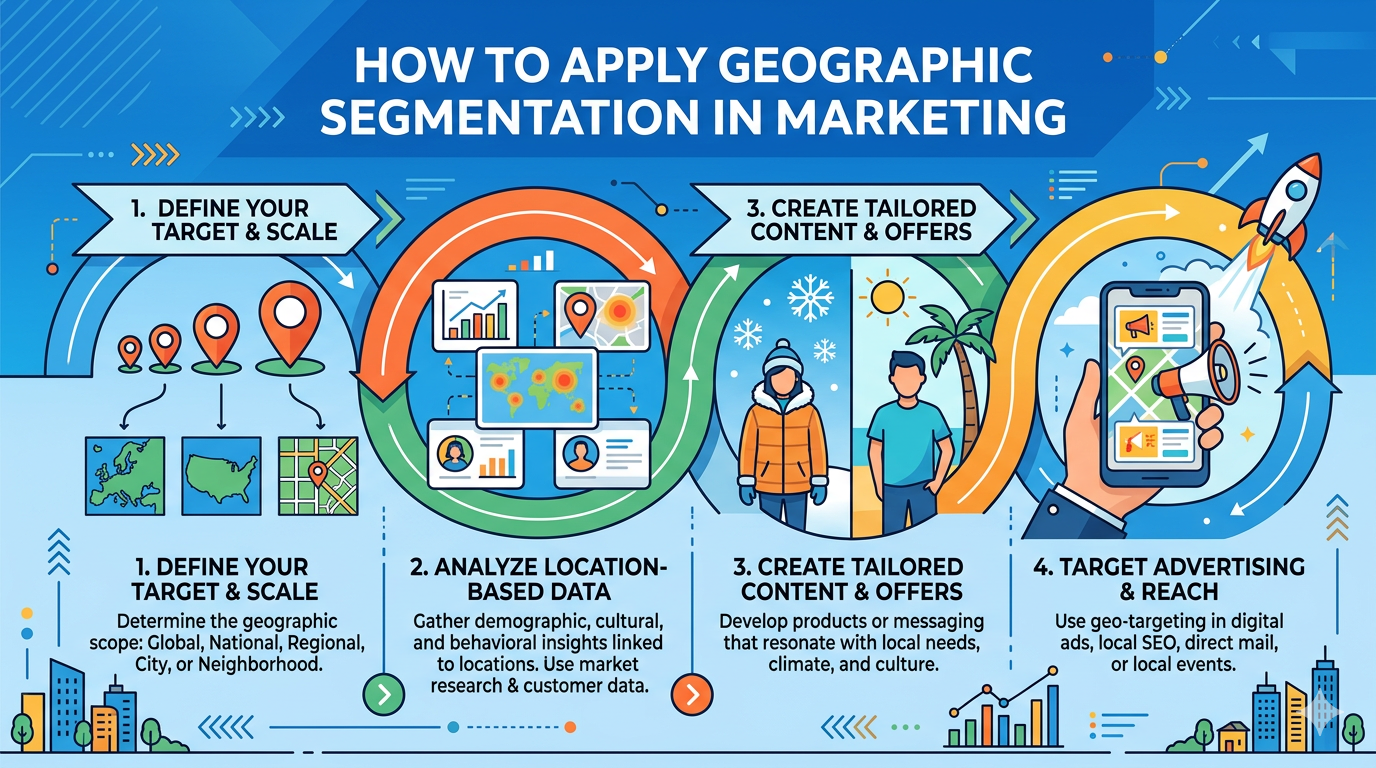
Understanding your audience is essential — but knowing where they are can make all the difference.
Geographic segmentation is a foundational way marketers divide audiences based on location. Whether you’re targeting cities, regions, countries, or climate zones, geographic segmentation helps you tailor your messaging, offers, and delivery methods to better align with the needs and behaviors of people in specific areas.
In this guide, we’ll explore what geographic segmentation is, why it matters, how to implement it, real-world examples, and best practices to make this approach work for your marketing strategy.
What Is Geographic Segmentation?
Geographic segmentation is the practice of dividing a market into groups based on physical location. Instead of treating all customers as if they behave the same way, geographic segmentation acknowledges that people in different areas often have different preferences, needs, and purchasing habits.
This segmentation can be as broad as international regions or as specific as neighborhoods, and it provides marketers with a way to adapt content, pricing, promotions, and channels to the realities of each location.
For example, weather, culture, language, urban density, and regional norms all influence how people respond to marketing messages. Geographic segmentation helps marketers respect these nuances and improve relevance.
Why Geographic Segmentation Matters in Marketing
Not all consumers respond to marketing in the same way — and geography plays a central role in those differences. Cultural traditions, seasonal needs, competitive landscapes, and local trends vary from place to place.
By segmenting your audience geographically, you unlock several benefits:
You can tailor offers to local conditions (such as weather or events).
Messaging can reflect cultural or language differences.
You can assign budgets strategically by region.
You gain insight into where demand is highest and where it needs stimulation.
In essence, geographic segmentation bridges the gap between a broad audience and localized relevance — a key differentiator in both digital and traditional advertising.
Types of Geographic Segmentation
Marketers can use a variety of geographic categories to segment their audience:
1. Country or Region
This is one of the broadest segmentation levels. Global brands often adapt messaging and campaigns based on national or regional cultural norms and buying patterns.
Different countries may have unique holidays, economic conditions, or language preferences that influence marketing approaches.
2. State or Province
Within a single country, states or provinces may have different regulations, climates, or shopping behaviors. Segmenting at this level is especially effective for regional promotions or localized service offerings.
3. City or Metropolitan Area
Cities often have distinct cultures and competitive landscapes. A campaign that resonates in a metropolitan hub like New York might need to be adjusted for a suburban or rural market.
4. Zip Code or Neighborhood
Granular segmentation like zip codes helps businesses target micro-markets — for example, serving ads only to high-income districts or focusing promotions on local events in specific neighborhoods.
Each level of segmentation brings its own insights and optimization opportunities.
How to Collect Geographic Data
Before you can segment by location, you need data. There are several ways to collect geographic insights:
Website Analytics: Tools like Google Analytics track visitor locations and can reveal where your highest-value traffic comes from.
CRM Records: Customer address or billing information stored in your CRM can be a rich source of location data.
Third-Party Data Providers: Many platforms offer enriched audience data that includes location attributes.
Mobile Signal Data: Location data from mobile interactions gives insights into user movement and app engagement patterns.
Surveys and Forms: Direct questions about location help fill in gaps in your existing data.
Once you have reliable geographic data, you can begin grouping users into meaningful segments.
Strategies for Applying Geographic Segmentation in Marketing
There are multiple ways to harness geographic segmentation for impactful marketing.
1. Tailoring Messaging by Region
Different areas respond to different messaging styles. For example, coastal audiences may be engaged with outdoor lifestyle ads, while metropolitan audiences prefer messaging focused on convenience and innovation.
By interviewing or researching regional preferences, marketers can craft location-specific copy and visuals that feel more authentic.
2. Localized Offers and Promotions
Geographic segmentation allows you to present promotions that are relevant to specific locales. This might mean offering snow gear discounts in colder regions or surfboard deals near coastal areas.
Local events and holidays also provide opportunities to tailor promotions to what matters most in that market.
3. Scheduling Campaigns Based on Local Time Zones
Running campaigns without regard for time differences can reduce their effectiveness. By scheduling ads based on local business hours and peak engagement times, marketers can reach audiences when they’re most receptive.
4. Language and Cultural Adaptation
In regions where multiple languages are spoken, localized campaigns can include language variations to improve comprehension and emotional resonance.
Cultural adaptation goes beyond translation — it’s about tone, imagery, and contextual relevance tailored to each audience.
5. Budget Allocation Based on Regional Performance
Geographic segmentation gives insight into which locations deliver the highest return, so you can allocate budget where it’s most efficient.
For example, a brand may decide to spend more on campaigns in high-growth regions while reducing spend in areas with low conversion rates.
Examples of Geographic Segmentation in the Real World
To illustrate how geographic segmentation works in practice, consider two scenarios:
A National Retailer:
A fashion brand with stores nationwide segments its audience by climate zones. It pushes lightweight clothing ads in warmer regions during spring, while promoting layering pieces in colder zones.
A Regional Service Provider:
A home services company runs city-specific campaigns with tailored messaging reflecting local needs — for example, seasonal HVAC checks in areas with extreme weather.
Both scenarios show how adapting to location-specific needs can increase relevance and performance.
Best Tools for Geographic Segmentation
Marketing technology has made geographic segmentation easier than ever.
Platforms like:
Google Analytics for location reporting
Ad platforms (Facebook, TikTok, Google Ads) with built-in location targeting
CRM systems with address data
Third-party audience enrichment tools
help marketers group users and build campaigns that target specific regions with precision.
Using these tools, you can automate audience selection, customize creatives, and optimize budgets according to geographic performance.
Challenges When Implementing Geographic Segmentation
While geographic segmentation offers many advantages, it does come with challenges.
Data Accuracy:
If your location data is incomplete or imprecise, your segmentation efforts may be flawed.
Over-Segmentation:
Dividing audiences too narrowly can fragment budgets and reduce performance signals.
Cultural Assumptions:
Assuming preferences based only on geography without additional behavioral insights can lead to generic campaigns.
Balancing segmentation granularity with actionable insights helps avoid these pitfalls.
How to Measure the Impact of Geographic Segmentation
The success of geographic segmentation should be measured through:
Conversion Rates by Region
Cost per Acquisition (CPA) by Location
Engagement Metrics across Markets
Regional Revenue Contribution
Comparing these metrics across segments reveals which regions respond well and where campaigns may need adjustment. Geographic performance dashboards provide visibility into how marketing performs at different levels — from national regions to local neighborhoods.
Integrating Geographic Segmentation With Other Targeting Methods
Geographic segmentation becomes even more powerful when combined with other targeting methods like:
Demographic segmentation (age, gender, income)
Behavioral targeting (page visits, cart activity)
Psychographic insights (interests, values)
The intersection of these data points gives marketers a clearer view of audience preferences and enables richer personalization.
Conclusion: Bringing Geographic Insights to Your Marketing Strategy
Geographic segmentation doesn’t just tell you where your audience is — it shows you how they live, what they respond to, and when they’re most receptive. By tapping into location data, you can create campaigns that resonate more deeply and drive better outcomes.
Whether you’re sending localized promotions, optimizing budgets by market, or aligning messaging with cultural context, geographic segmentation helps brands turn broad audiences into precise, actionable segments.
In an increasingly competitive landscape, understanding the role of location in consumer behavior isn’t just helpful — it’s essential.
Recent posts
-
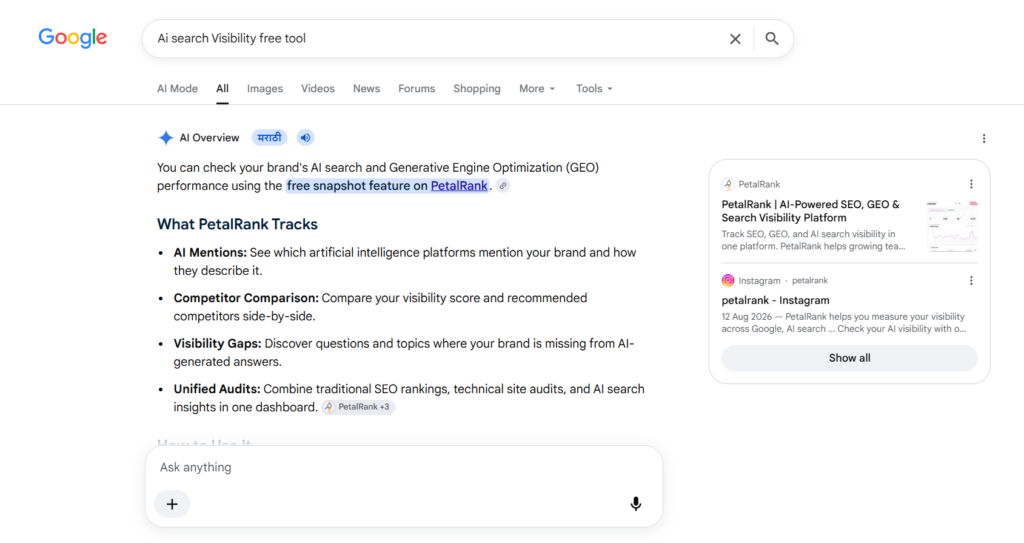 Google AI Overview insights: what 9 months of referral data reveal about traffic, citations and visibility
 -
 Local SEO in the AI search era: what businesses need to optimize now
 -
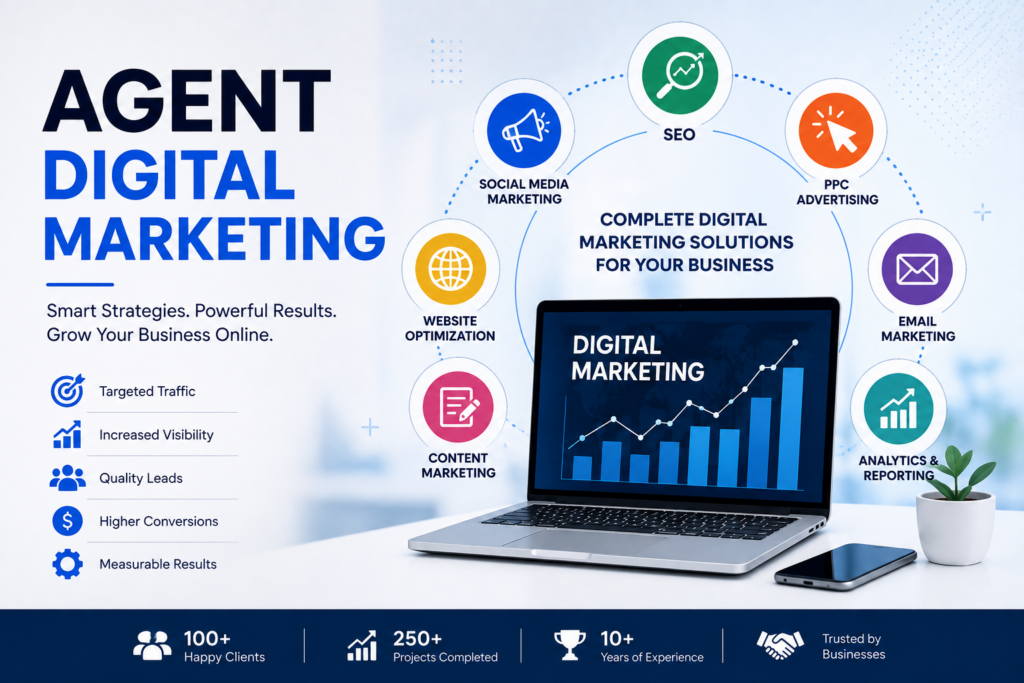 Agent Digital Marketing: The Complete Guide to Growing Your Business Online
 -
 Search Optimization Services: Grow Your Business with Better Google Rankings
 -
 What Is MEV on Solana? Understanding Validator Rewards, Distribution, and Their Role in Staking
 -
How Great Ecommerce Web Design Improves Customer Experience
-
YouTube Advertising: The Complete Guide to Growing Your Business in 2026
-
 What Is Website Development? A Complete Guide for Beginners (2026)
 -
 SEO Website Testing: The Complete Guide to Improving Rankings, Performance, and User Experience
 -
 SEO Mean: What SEO Means and Why It Matters in 2026

