
How AI Generated Content Is Changing Digital Marketing
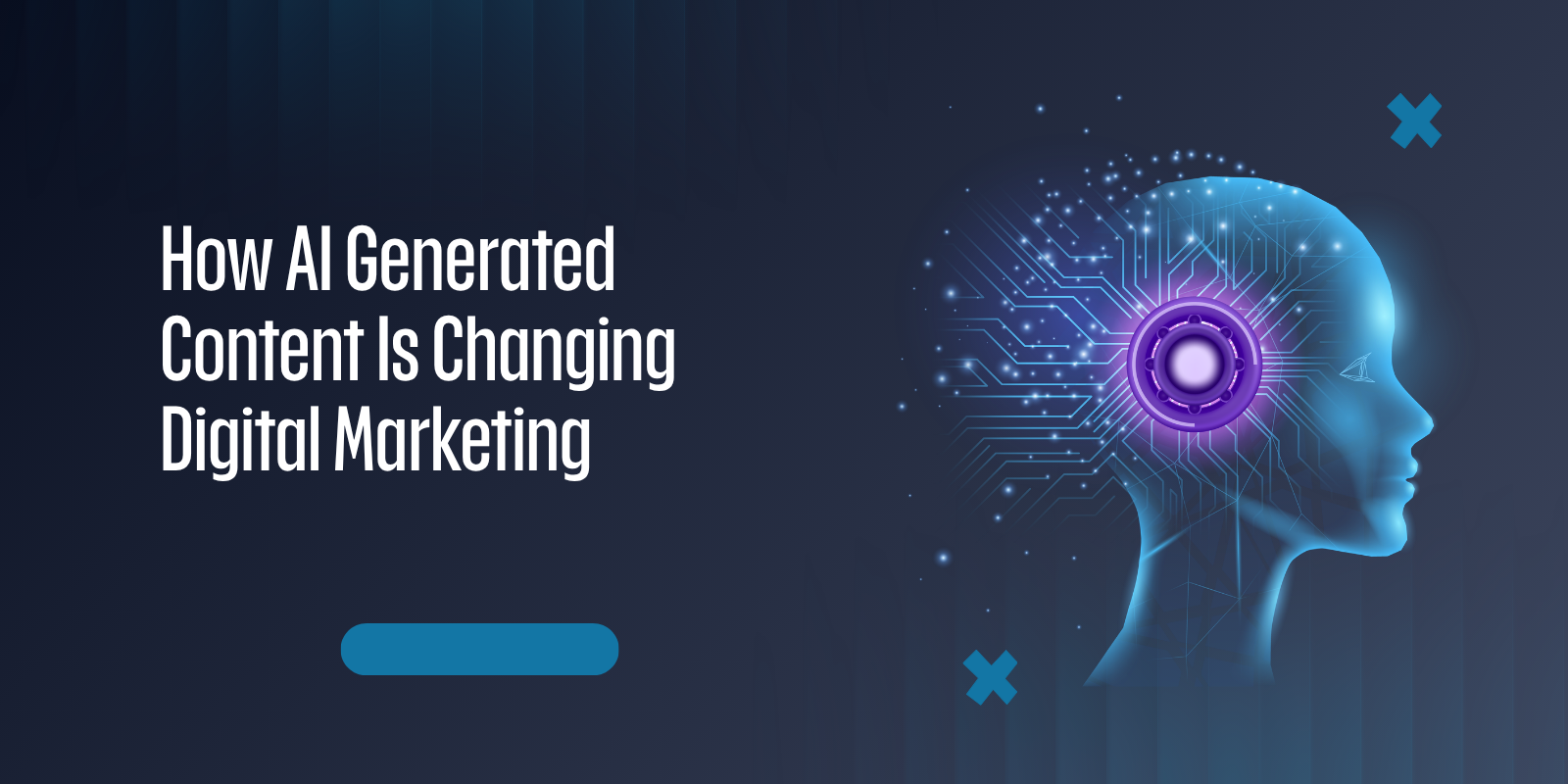
Artificial intelligence is rapidly reshaping the digital marketing landscape. From automated content creation to predictive analytics and personalized customer experiences, AI technologies are helping businesses operate faster and more efficiently than ever before.
One of the most significant developments in recent years is the rise of AI-generated content. Tools powered by advanced language models can now produce blog articles, social media captions, product descriptions, and advertising copy within seconds.
While this innovation brings enormous opportunities for marketers, it also raises important questions about quality, authenticity, and strategic use. Understanding how AI-generated content is transforming digital marketing helps businesses adopt these tools responsibly while maximizing their potential benefits.
What Is AI-Generated Content?
AI-generated content refers to text, images, videos, or other media created with the help of artificial intelligence tools. These systems use machine learning algorithms trained on large datasets to generate human-like outputs based on prompts or instructions.
In digital marketing, AI-generated content is commonly used to create:
- Blog articles and website content
- Email marketing campaigns
- Social media posts
- Advertising copy
- Product descriptions
- Chatbot responses
Rather than replacing human creativity entirely, AI tools are often used to assist marketers by accelerating content production and providing ideas that can be refined and customized.
Why AI-Generated Content Is Becoming Popular
AI-generated content has gained popularity largely because of the growing demand for consistent, high-quality digital content. Businesses today need to maintain active blogs, social media accounts, and email campaigns to remain visible online.
Producing large volumes of content manually can be time-consuming and expensive. AI tools help streamline this process by generating drafts quickly, allowing marketers to focus on strategy, editing, and optimization.
In addition, AI-powered tools can analyze large datasets to identify trends and suggest topics that align with audience interests, making content strategies more data-driven.
How AI Is Transforming Digital Marketing Content
Artificial intelligence is changing how marketing teams approach content creation and distribution in several important ways.
Faster Content Production
One of the biggest advantages of AI-generated content is speed. Marketing teams can generate initial drafts or creative ideas in minutes rather than hours or days.
This efficiency allows businesses to publish content more frequently and respond quickly to emerging trends or campaign opportunities.
Scalable Content Marketing
AI tools make it easier to scale content marketing efforts across multiple platforms. Marketers can create variations of the same message for blogs, social media, email campaigns, and advertising channels without starting from scratch each time.
This scalability is particularly valuable for companies managing large digital ecosystems with multiple audience segments.
Data-Driven Content Insights
AI-powered platforms analyze audience behavior, search patterns, and engagement metrics to suggest relevant content topics. These insights help marketers create content that aligns with what audiences are actively searching for or discussing.
Data-driven content strategies improve the chances that marketing messages will reach and resonate with the right audience.
Personalization at Scale
AI also enables marketers to deliver personalized content experiences. Instead of sending the same message to every customer, AI systems can tailor messaging based on user behavior, preferences, or purchase history.
This level of personalization helps brands build stronger relationships with their audiences and improve engagement rates.
Benefits of AI-Generated Content in Marketing
AI-generated content offers several advantages that make it attractive for digital marketing teams.
Increased Efficiency
Automating portions of the content creation process allows marketing teams to save time and allocate resources toward strategic initiatives.
Consistent Content Output
Maintaining a consistent publishing schedule is essential for SEO and audience engagement. AI tools help marketers keep content pipelines active without overwhelming their teams.
Idea Generation
AI systems can assist with brainstorming topics, headlines, and campaign concepts, providing inspiration when marketers need fresh ideas.
AI systems can assist with brainstorming topics, headlines, and campaign concepts, providing inspiration when marketers need fresh ideas.
Cost Optimization
By reducing the time required for drafting and research, AI-generated content can help lower content production costs.
Challenges and Limitations of AI Content
Despite its advantages, AI-generated content also comes with several challenges that marketers should consider.
Quality and Accuracy
AI-generated text may occasionally produce inaccurate information or lack contextual understanding. Human review and editing remain essential to ensure accuracy and clarity.
Lack of Human Creativity
While AI can generate content quickly, it may struggle to capture emotional nuance, storytelling depth, or brand personality as effectively as human writers.
Brand Authenticity
Overusing AI-generated content without thoughtful editing can lead to generic messaging that lacks authenticity. Maintaining a distinct brand voice requires human oversight.
Ethical and Transparency Concerns
As AI-generated content becomes more common, businesses must ensure transparency and ethical use, particularly when publishing automated material.
Best Practices for Using AI in Content Marketing
To maximize the benefits of AI-generated content while avoiding potential drawbacks, marketers should adopt a balanced approach.
Combine AI With Human Creativity
AI should be used as a supporting tool rather than a replacement for human expertise. Marketers can use AI to generate drafts and ideas, then refine the content to ensure originality and brand alignment.
Focus on Strategic Editing
Reviewing and editing AI-generated content helps maintain quality, accuracy, and tone. This step ensures that the final output reflects the brand’s messaging and values.
Use AI for Research and Optimization
AI tools are particularly effective for analyzing search trends, identifying keywords, and optimizing content for SEO performance.
Maintain Authentic Brand Voice
Every piece of content should reflect the brand’s identity and communication style. Human oversight ensures that AI-generated drafts are adjusted to match the desired tone.
Every piece of content should reflect the brand’s identity and communication style. Human oversight ensures that AI-generated drafts are adjusted to match the desired tone.
The Future of AI in Digital Marketing
Artificial intelligence is expected to play an even larger role in digital marketing as technologies continue to evolve. Future advancements may include:
- More sophisticated personalization capabilities
- Improved natural language generation
- AI-powered content strategy recommendations
- Integration with marketing automation platforms
As these technologies mature, marketers will be able to deliver more relevant and engaging experiences while maintaining efficiency.
Final Thoughts
AI-generated content is transforming digital marketing by making content creation faster, more scalable, and increasingly data-driven. While AI tools offer powerful advantages, they are most effective when combined with human creativity, strategic thinking, and careful oversight.
Businesses that adopt AI thoughtfully can streamline their marketing workflows, produce consistent content, and better understand audience needs. At the same time, maintaining authenticity and quality will remain essential for building trust with customers.
In the evolving world of digital marketing, the brands that successfully balance technology with human insight will be best positioned for long-term success.
Recent posts
-
 Best AI Tools in 2026: Which Ones Are Actually Worth Using?
 -
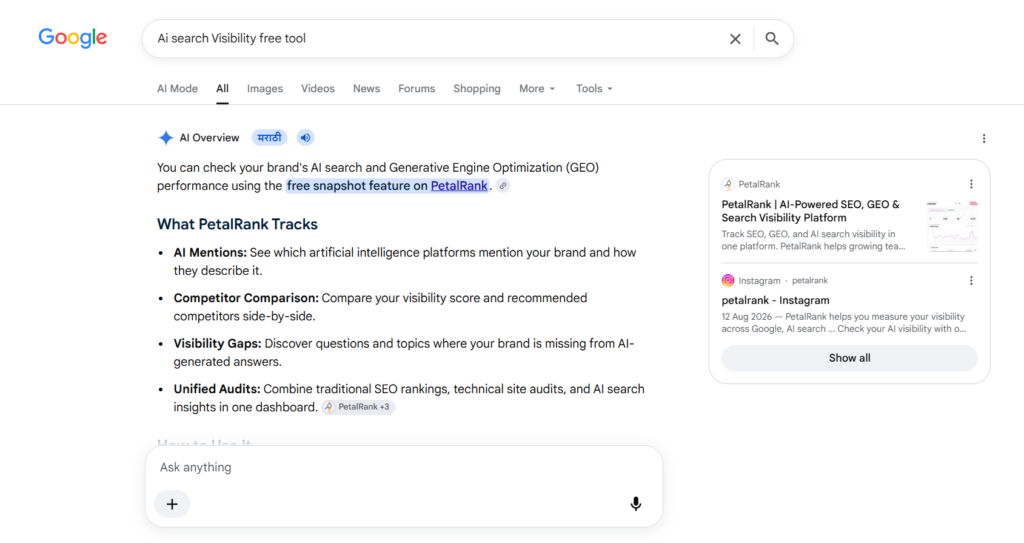 Google AI Overview insights: what 9 months of referral data reveal about traffic, citations and visibility
 -
 Local SEO in the AI search era: what businesses need to optimize now
 -
 Agent Digital Marketing: The Complete Guide to Growing Your Business Online
 -
 Search Optimization Services: Grow Your Business with Better Google Rankings
 -
 What Is MEV on Solana? Understanding Validator Rewards, Distribution, and Their Role in Staking
 -
How Great Ecommerce Web Design Improves Customer Experience
-
YouTube Advertising: The Complete Guide to Growing Your Business in 2026
-
 What Is Website Development? A Complete Guide for Beginners (2026)
 -
 SEO Website Testing: The Complete Guide to Improving Rankings, Performance, and User Experience

