
What Is Native Advertising? A Complete Beginner’s Guide
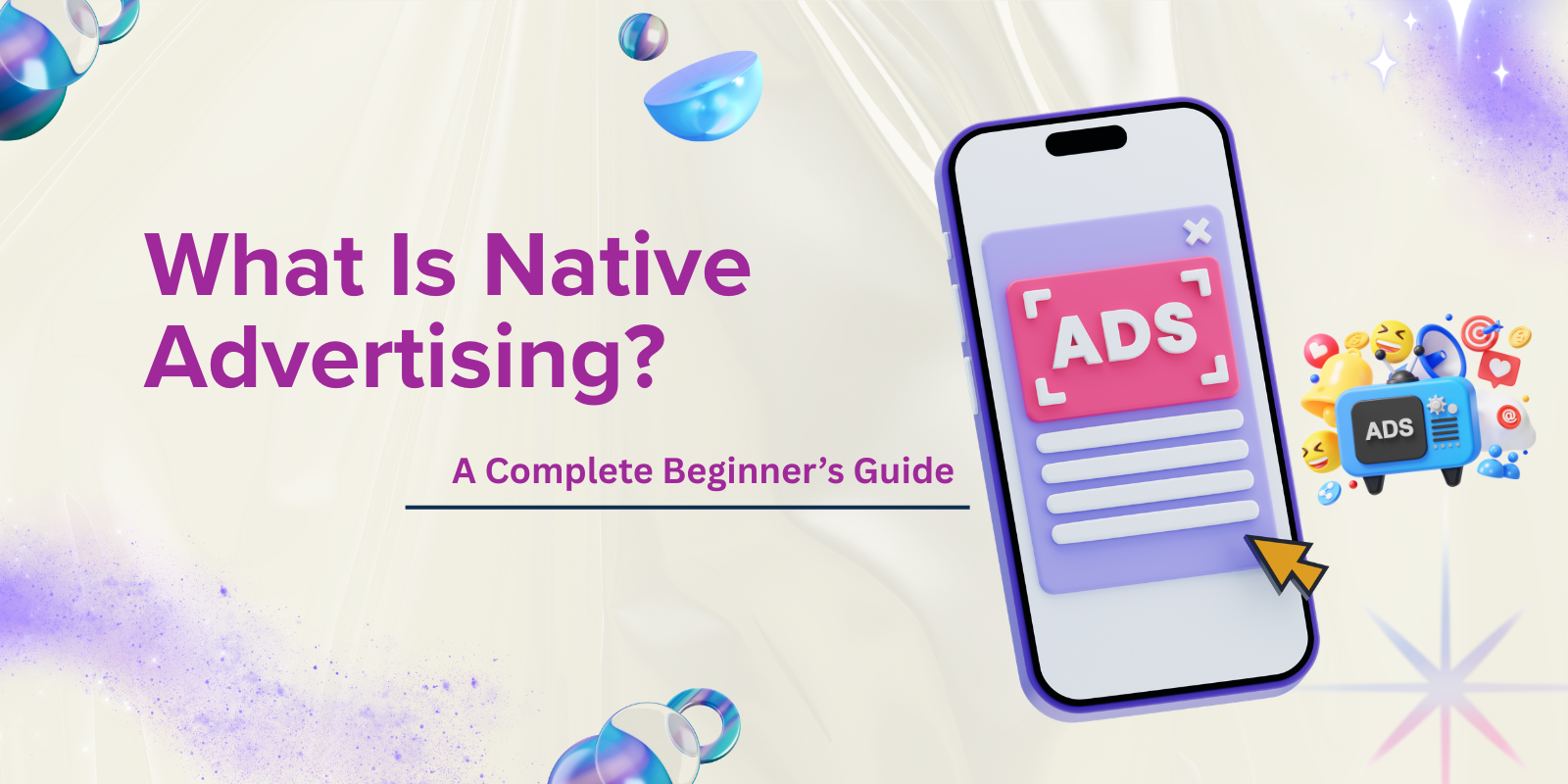
In the modern digital marketing landscape, audiences are constantly exposed to advertisements across websites, social media, search engines, and mobile apps. Because of this saturation, traditional ads can sometimes feel intrusive or easy to ignore. To address this challenge, marketers increasingly use a format known as native advertising.
Native advertising blends promotional content with the surrounding platform so that it feels like a natural part of the user experience rather than a disruptive advertisement. When executed correctly, native ads deliver useful or engaging content while subtly promoting a brand or product.
This guide explains what native advertising is, how it works, why brands use it, and how businesses can incorporate it into their marketing strategies.
What Is Native Advertising?
Native advertising is a form of paid media where advertisements match the style, format, and tone of the platform on which they appear. Instead of standing out as obvious ads, native placements integrate seamlessly with surrounding content.
For example, a sponsored article on a news website or a promoted post within a social media feed are common forms of native advertising. Although these ads are clearly labeled as sponsored, they maintain a similar appearance to organic content.
The goal of native advertising is to provide value to the audience while delivering a marketing message in a way that feels less intrusive.
Why Native Advertising Matters in Digital Marketing
Consumers today have become increasingly selective about the content they engage with. Traditional banner ads often suffer from low engagement because users have learned to ignore them.
Consumers today have become increasingly selective about the content they engage with. Traditional banner ads often suffer from low engagement because users have learned to ignore them.
Native advertising addresses this issue by presenting promotional messages within familiar content environments. When the ad aligns with the platform’s tone and audience expectations, it becomes easier for users to engage with it.
As a result, native advertising often generates higher interaction rates compared with standard display advertising.
How Native Advertising Works
Native advertising campaigns typically involve collaboration between advertisers and publishers or platforms. The process generally includes several steps.
First, marketers identify the audience they want to reach and choose a platform where those users spend time. This could be a news website, social media platform, content discovery network, or industry blog.
Next, advertisers create content that aligns with the platform’s style. This might include an article, video, infographic, or social post designed to provide value while promoting the brand.
Finally, the platform distributes the content as sponsored material, ensuring it appears within the natural flow of the user experience.
Types of Native Advertising
Native advertising appears in several different formats depending on the platform and marketing objectives.
In-Feed Ads
In-feed ads appear directly within content feeds on websites or social media platforms. They typically look similar to regular posts or articles but are labeled as sponsored content.
These ads often include images, headlines, and descriptions designed to attract attention while maintaining a natural appearance within the feed.
Sponsored Content
Sponsored content is longer-form material such as articles, guides, or videos created in partnership with publishers. These pieces provide useful information to readers while subtly highlighting the brand’s products or expertise.
Sponsored content is often used to build trust and authority in a particular industry.
Content Recommendation Widgets
Many websites include recommendation sections that suggest additional articles or resources. Native ads can appear within these recommendation widgets, promoting relevant content that directs readers to external websites or landing pages.
Promoted Listings
Promoted listings are commonly used in ecommerce or marketplace environments. These ads display products in search results or category pages in a format similar to organic listings.
They allow brands to increase visibility without disrupting the browsing experience.
Benefits of Native Advertising
Native advertising offers several advantages that make it appealing for modern marketing strategies.
Higher Engagement
Because native ads match the surrounding content, users are more likely to interact with them compared with traditional banner ads.
Improved User Experience
Native advertising integrates smoothly into the browsing environment, which reduces disruption and helps maintain a positive user experience.
Increased Brand Trust
When promotional messages appear within valuable or informative content, audiences often perceive them as more credible and relevant.
Greater Content Reach
Native advertising allows brands to distribute valuable content across multiple platforms and reach new audiences who may not be familiar with the brand.
Examples of Native Advertising in Action
Native advertising appears across many digital platforms.
On social media, sponsored posts appear within user feeds alongside regular content. On news websites, sponsored articles provide insights or stories related to a brand’s expertise.
Streaming platforms may also feature promoted content recommendations that resemble standard suggestions but include subtle sponsorship labels.
These examples demonstrate how native advertising can adapt to various formats while maintaining a natural appearance.
Best Practices for Native Advertising
To create effective native advertising campaigns, marketers should follow several key principles.
First, prioritize valuable content rather than overt promotional messaging. Native ads should inform, entertain, or educate the audience.
Second, ensure transparency by clearly labeling sponsored content. Transparency builds trust and ensures compliance with advertising guidelines.
Third, focus on relevance. Native ads perform best when they match the interests and expectations of the platform’s audience.
Finally, monitor performance metrics such as engagement rates, click-through rates, and conversions to continuously improve campaign effectiveness.
Measuring Native Advertising Success
Evaluating the performance of native advertising campaigns requires tracking several key metrics.
Marketers often measure engagement levels, time spent with content, click-through rates, and conversions generated from the campaign.
Analyzing these metrics helps brands determine whether their content resonates with audiences and contributes to broader marketing goals.
Final Thoughts
Native advertising has become an essential part of digital marketing because it combines the reach of advertising with the value of content. By aligning promotional messages with the style and expectations of the platform, native ads create more meaningful interactions with audiences.
For businesses looking to build trust, increase engagement, and expand their digital presence, native advertising offers a flexible and effective strategy.
When brands focus on delivering useful content and maintaining transparency, native advertising can become a powerful tool for connecting with modern audiences.
Recent posts
-
 Best AI Tools in 2026: Which Ones Are Actually Worth Using?
 -
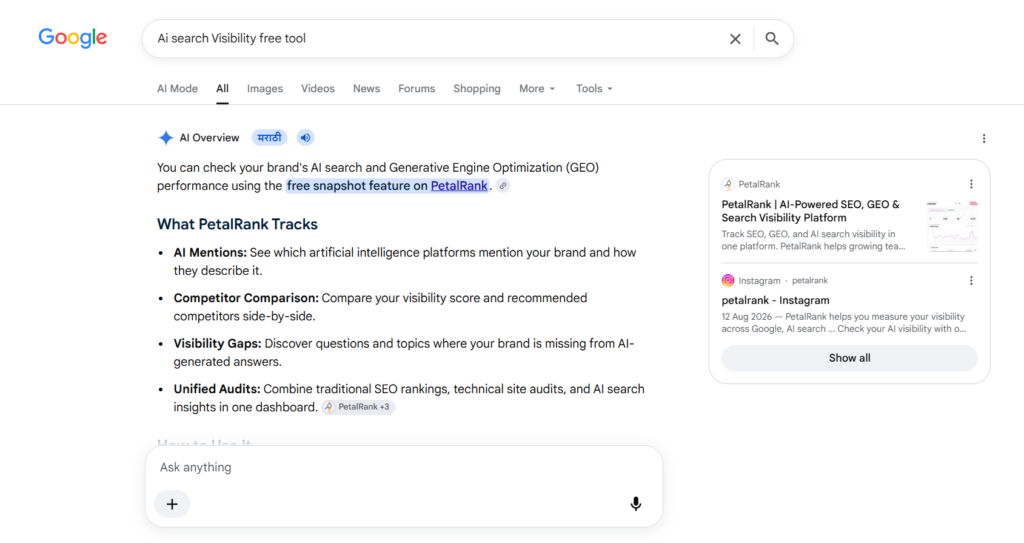 Google AI Overview insights: what 9 months of referral data reveal about traffic, citations and visibility
 -
 Local SEO in the AI search era: what businesses need to optimize now
 -
 Agent Digital Marketing: The Complete Guide to Growing Your Business Online
 -
 Search Optimization Services: Grow Your Business with Better Google Rankings
 -
 What Is MEV on Solana? Understanding Validator Rewards, Distribution, and Their Role in Staking
 -
How Great Ecommerce Web Design Improves Customer Experience
-
YouTube Advertising: The Complete Guide to Growing Your Business in 2026
-
 What Is Website Development? A Complete Guide for Beginners (2026)
 -
 SEO Website Testing: The Complete Guide to Improving Rankings, Performance, and User Experience

