
How Much Do Social Media Ads Cost? Platform-by-Platform Guide

Social media advertising can be one of the most effective ways to reach customers, but understanding how much it costs is critical to planning and measuring your ROI.
Advertising platforms like Facebook, Instagram, TikTok, LinkedIn, and Pinterest each have their own pricing dynamics. Costs depend on audience, competition, campaign objectives, bidding strategy, and creative quality.
In this guide, we will break down how much social media ads typically cost across major platforms in 2026, what factors influence these costs, and how you can budget smarter for your campaigns.
Why Social Media Ad Costs Vary
Before jumping into numbers, it helps to understand what drives cost differences:
Advertising Objective
Advertising Objective
Awareness campaigns (impressions) are usually cheaper than conversion-focused campaigns.
Audience Targeting
Niche professional audiences often cost more than broad consumer audiences.
Niche professional audiences often cost more than broad consumer audiences.
Timing & Seasonality
Ad prices rise during peak buying seasons (holidays, tax season, Black Friday, etc.).
Ad prices rise during peak buying seasons (holidays, tax season, Black Friday, etc.).
Ad Quality & Relevance
Platforms reward relevant, engaging creatives with lower costs and better delivery.
Platform Demand
More advertisers in a space = higher competition and higher costs.
More advertisers in a space = higher competition and higher costs.
With these variables in mind, let’s look at cost ranges per platform.
1. Facebook Ads Cost Overview
Facebook remains one of the most widely used social ad channels due to its diverse targeting and massive reach.
Estimated Average Costs
MetricTypical Range CPM (cost per 1,000 impressions) | $8–$16
CPC (cost per click) | $0.50–$2.50
CPA (cost per action) | $10–$60
CPC (cost per click) | $0.50–$2.50
CPA (cost per action) | $10–$60
These are industry averages and can swing higher or lower depending on your audience and ad objective.
Why Facebook Costs What They Do
Facebook charges more for conversion-oriented campaigns because it’s optimized to deliver actions, not just visibility. Highly specific audiences, such as small business owners or executives, will generally cost more to reach.
2. Instagram Ads Cost Overview
Instagram ads use the same system as Facebook, but tend to be priced a bit higher due to strong engagement levels.
Estimated Average Costs
MetricTypical Range
CPM | $10–$18
CPC | $0.70–$2.80
CPA | $15–$70
CPM | $10–$18
CPC | $0.70–$2.80
CPA | $15–$70
Instagram Reels and Stories are particularly effective formats and influence pricing based on user interaction rates.
Why Instagram Can Be More Expensive
High-quality visual content is expected on Instagram, and users often engage more deeply with creative formats. That engagement comes with a slightly higher cost per result.
3. TikTok Ads Cost Overview
TikTok’s short-form video format has disrupted social advertising with high engagement and rapid audience growth.
Estimated Average Costs
MetricTypical Range
CPM | $10–$22
CPC | $0.80–$3.00
CPA | $20–$80
CPM | $10–$22
CPC | $0.80–$3.00
CPA | $20–$80
TikTok advertising costs can vary widely depending on creative quality and audience behavior.
Why TikTok Costs Vary
TikTok rewards content that fits native viewing habits. Ads that feel natural to the platform — using trends, sound, and storytelling — can outperform and cost less over time.
4. LinkedIn Ads Cost Overview
LinkedIn is often the go-to platform for B2B lead generation, which also means higher price points.
LinkedIn is often the go-to platform for B2B lead generation, which also means higher price points.
Estimated Average Costs
MetricTypical Range
CPM | $15–$32
CPC | $2.50–$7.00
CPA | $50–$150+
CPM | $15–$32
CPC | $2.50–$7.00
CPA | $50–$150+
LinkedIn’s pricing reflects its ability to reach decision-makers and professional audiences precisely.
Why LinkedIn Costs More
Specific job roles, company sizes, and industry targeting make LinkedIn very powerful — but those capabilities also drive a premium.
Specific job roles, company sizes, and industry targeting make LinkedIn very powerful — but those capabilities also drive a premium.
5. Pinterest Ads Cost Overview
Pinterest combines search and inspiration, making it a valuable platform for visual product discovery, especially in ecommerce and lifestyle categories.
Estimated Average Costs
MetricTypical Range
CPM | $8–$15
CPC | $0.40–$2.00
CPA | $12–$55
CPM | $8–$15
CPC | $0.40–$2.00
CPA | $12–$55
Pinterest tends to cost less than other visual platforms but performs best when ads align with user discovery intent.
Why Pinterest Pricing Can Be Competitive
Users often search on Pinterest with a planning mindset — leading to stronger interest and engagement for things like home products, fashion, events, and design.
Users often search on Pinterest with a planning mindset — leading to stronger interest and engagement for things like home products, fashion, events, and design.
Comparing Costs Across Platforms
Here’s a quick snapshot of how social media ad costs typically line up:
PlatformTypical CPMTypical CPCTypical CPA
Facebook | $8–$16 | $0.50–$2.50 | $10–$60
Instagram | $10–$18 | $0.70–$2.80 | $15–$70
TikTok | $10–$22 | $0.80–$3.00 | $20–$80
Pinterest | $8–$15 | $0.40–$2.00 | $12–$55
LinkedIn | $15–$32 | $2.50–$7.00 | $50–$150+
Facebook | $8–$16 | $0.50–$2.50 | $10–$60
Instagram | $10–$18 | $0.70–$2.80 | $15–$70
TikTok | $10–$22 | $0.80–$3.00 | $20–$80
Pinterest | $8–$15 | $0.40–$2.00 | $12–$55
LinkedIn | $15–$32 | $2.50–$7.00 | $50–$150+
These ranges aren’t fixed — your results could be lower or higher based on targeting precision, creative quality, marketplace demand, and time of year.
What Influences Your Social Media Ad Costs Most?
To understand costs strategically, consider these drivers:
Target Audience Specificity
Narrow segments cost more to reach but often convert better.
Goal of the Campaign
Awareness campaigns are cheaper per impression, while conversion-driven campaigns cost more per action.
Awareness campaigns are cheaper per impression, while conversion-driven campaigns cost more per action.
Creative Relevance
Platforms reward high-engagement ads with lower delivery costs.
Platforms reward high-engagement ads with lower delivery costs.
Platform Competition
Busier ad markets (e.g., retail Q4) increase costs.
Busier ad markets (e.g., retail Q4) increase costs.
Understanding these levers helps you predict and manage spend more effectively.
How to Estimate Your Social Advertising Budget
Setting a budget doesn’t have to be guesswork. Here’s a simple process:
1. Define Your Objective
What’s the primary metric — clicks, conversions, leads?
What’s the primary metric — clicks, conversions, leads?
2. Choose Key Platforms
Not every platform suits every goal. Start with 1–2 where your audience is most active.
Not every platform suits every goal. Start with 1–2 where your audience is most active.
3. Determine a Testing Budget
Allocate a test budget (e.g., 10–15% of total) to gather performance data.
Allocate a test budget (e.g., 10–15% of total) to gather performance data.
4. Measure Early Signals
Look at CPC, CPM, and early conversion data. If your cost per acquisition is too high, refine targeting and creative.
Look at CPC, CPM, and early conversion data. If your cost per acquisition is too high, refine targeting and creative.
5. Scale What Works
Shift budget toward high-performing ad sets and audiences.
Tips to Lower Your Social Media Ad Costs
Here are proven ways to reduce inefficiencies:
Here are proven ways to reduce inefficiencies:
Improve Ad Relevance
Ads that resonate with targeted audiences typically cost less and perform better.
Ads that resonate with targeted audiences typically cost less and perform better.
Refine Audience Definitions
Tighten targeting to avoid wasted impressions on uninterested users.
Tighten targeting to avoid wasted impressions on uninterested users.
Test Creative Variants
Different visuals and messages help identify best-performing ads.
Different visuals and messages help identify best-performing ads.
Use Retargeting
Users who’ve visited your site or engaged before tend to convert at a lower CPA.
Users who’ve visited your site or engaged before tend to convert at a lower CPA.
Leverage Lookalike or Similar Audiences
Expand reach efficiently by targeting users similar to your best customers.
Expand reach efficiently by targeting users similar to your best customers.
Which Platforms Deliver the Best ROI?
ROI isn’t just about cost — it’s cost relative to performance. Here’s a general rule:
ROI isn’t just about cost — it’s cost relative to performance. Here’s a general rule:
✔ Best for Awareness: TikTok, Instagram
✔ Best for Conversions: Facebook, Pinterest
✔ Best for B2B Leads: LinkedIn
✔ Best for Product Discovery: Pinterest, TikTok
Your mix should align with your audience, industry, and campaign goals.
Social Media Ad Costs in 2026 and Beyond
Trends shaping social ad economics include:
Trends shaping social ad economics include:
🔹 Greater use of first-party data
🔹 AI-powered optimization
🔹 Privacy-first targeting
🔹 Platform-specific creative formats
🔹 AI-powered optimization
🔹 Privacy-first targeting
🔹 Platform-specific creative formats
Advertisers who adapt by prioritizing relevance and automation will see costs stabilize and performance improve over time.
Key Takeaways: Plan Smarter, Optimize Always
Understanding social media ad costs helps you:
Understanding social media ad costs helps you:
✔ Budget more effectively
✔ Predict campaign performance
✔ Allocate spend where it matters
✔ Reduce waste and improve ROI
✔ Predict campaign performance
✔ Allocate spend where it matters
✔ Reduce waste and improve ROI
Rather than chasing low costs, focus on high relevance, strong creative, and smart optimization.
When your ads are both relevant and efficient, social media becomes a predictable engine — not a guessing game.
Recent posts
-
 Best AI Tools in 2026: Which Ones Are Actually Worth Using?
 -
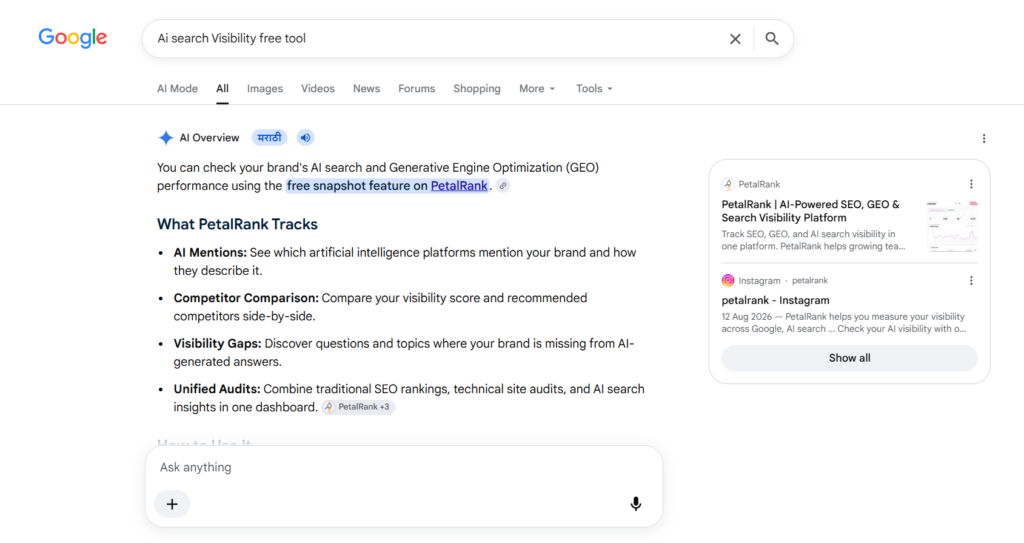 Google AI Overview insights: what 9 months of referral data reveal about traffic, citations and visibility
 -
 Local SEO in the AI search era: what businesses need to optimize now
 -
 Agent Digital Marketing: The Complete Guide to Growing Your Business Online
 -
 Search Optimization Services: Grow Your Business with Better Google Rankings
 -
 What Is MEV on Solana? Understanding Validator Rewards, Distribution, and Their Role in Staking
 -
How Great Ecommerce Web Design Improves Customer Experience
-
YouTube Advertising: The Complete Guide to Growing Your Business in 2026
-
 What Is Website Development? A Complete Guide for Beginners (2026)
 -
 SEO Website Testing: The Complete Guide to Improving Rankings, Performance, and User Experience

