
The Ultimate Guide to Digital Advertising in 2026
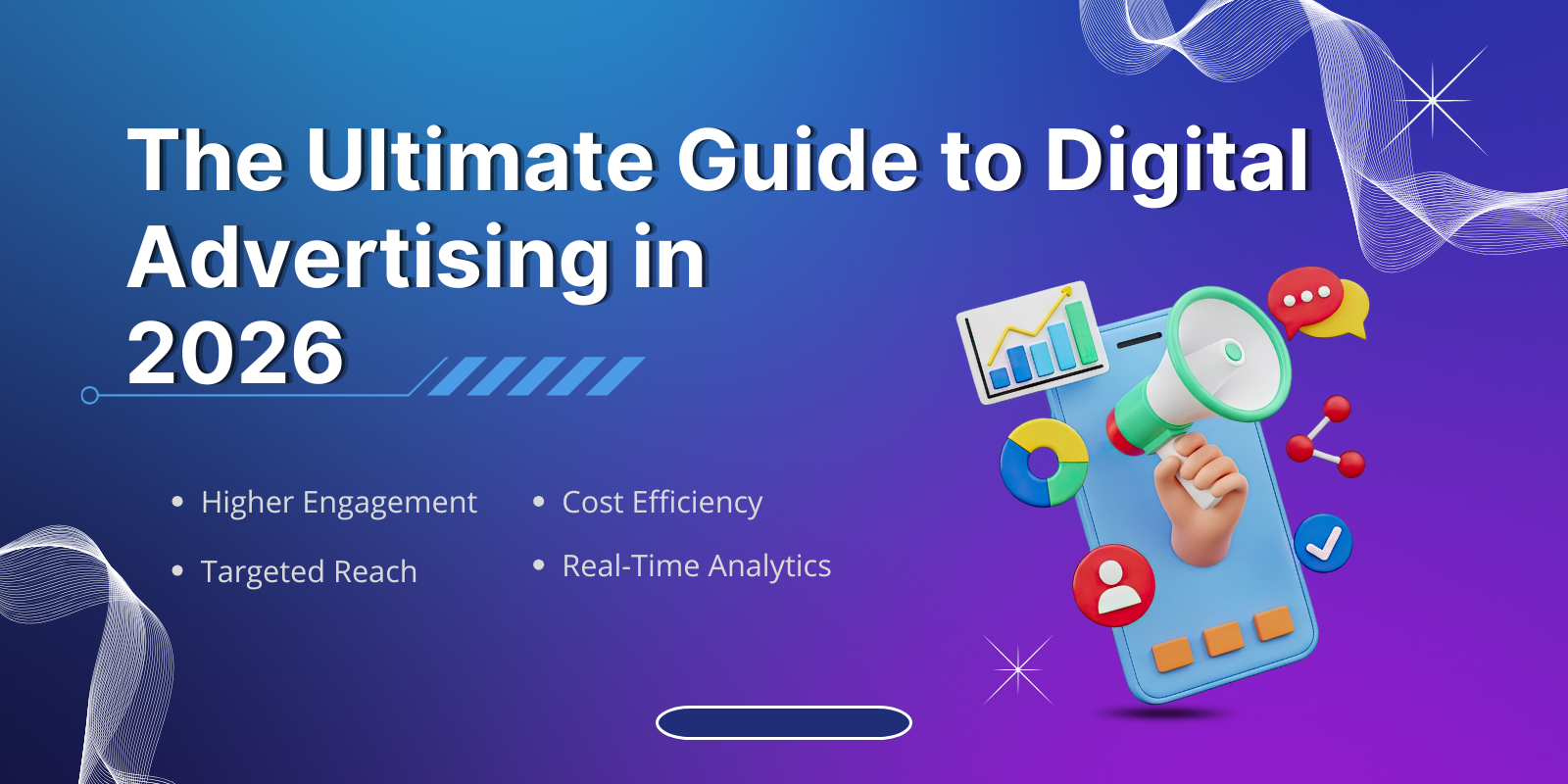
Digital advertising has evolved dramatically over the past decade. Businesses no longer rely solely on billboards, print ads, or television to reach audiences. Instead, brands use digital platforms—search engines, social networks, websites, mobile apps, and streaming services—to deliver targeted marketing messages to potential customers.
As technology advances and consumer behavior shifts, digital advertising continues to expand into new formats, channels, and data-driven strategies. In 2026, successful marketers are combining analytics, automation, and creative storytelling to reach audiences more efficiently than ever.
This guide explains what digital advertising is, the major types of digital ads, the benefits businesses gain from it, and how to plan an effective digital advertising budget.
What Is Digital Advertising?
Digital advertising refers to the promotion of products or services through online platforms such as search engines, websites, social media channels, apps, and video streaming platforms. Brands typically pay to display ads in these environments to reach specific audiences and achieve marketing goals.
Digital advertising refers to the promotion of products or services through online platforms such as search engines, websites, social media channels, apps, and video streaming platforms. Brands typically pay to display ads in these environments to reach specific audiences and achieve marketing goals.
Unlike traditional advertising methods that broadcast messages broadly, digital advertising allows businesses to target users based on interests, behaviors, demographics, and online activity. This targeted approach helps brands deliver more relevant messages and measure campaign results with detailed analytics.
Because digital ads can appear across multiple platforms and formats—from text ads on search engines to video ads on streaming platforms—they offer tremendous flexibility for businesses of all sizes.
Types of Digital Advertising
Digital advertising includes a variety of formats designed to reach users at different stages of the buying journey. Understanding these ad types helps marketers choose the right mix for their campaigns.
Search Advertising
Search advertising places paid ads within search engine results pages. These ads typically appear when users search for specific keywords related to a product or service.
Search advertising places paid ads within search engine results pages. These ads typically appear when users search for specific keywords related to a product or service.
Because users actively search for solutions, search ads often reach high-intent audiences who are closer to making a purchase decision. Pay-per-click (PPC) models are common, meaning advertisers only pay when someone clicks on the ad.
Display Advertising
Display advertising involves visual ads—such as banners, images, or interactive formats—that appear across websites and apps. These ads are commonly used to build brand awareness and reach large audiences.
Display ads are often delivered through ad networks and programmatic systems that place ads on relevant websites automatically.
Social Media Advertising
Social media platforms like Facebook, Instagram, TikTok, and LinkedIn allow advertisers to run targeted campaigns based on user demographics, interests, and behaviors.
Social media platforms like Facebook, Instagram, TikTok, and LinkedIn allow advertisers to run targeted campaigns based on user demographics, interests, and behaviors.
These platforms offer a wide range of creative formats including images, videos, carousel ads, and interactive experiences. Social advertising is particularly effective for building engagement and brand visibility.
Video Advertising
Video advertising has become one of the fastest-growing digital ad formats. Platforms such as YouTube and streaming services display video ads before, during, or after content.
Because video combines visual storytelling with audio, it can be a powerful tool for capturing attention and conveying complex messages quickly.
Native Advertising
Native advertising integrates sponsored content seamlessly into the surrounding environment of a website or app. Instead of appearing as traditional banner ads, native ads mimic the look and feel of the platform where they appear.
This format often leads to higher engagement because it feels less disruptive to the user experience.
Benefits of Digital Advertising
Digital advertising provides several advantages compared to traditional marketing channels.
Precise Audience Targeting
One of the biggest strengths of digital advertising is its ability to reach specific audiences based on data. Marketers can define segments using factors such as interests, location, browsing behavior, and device usage.
One of the biggest strengths of digital advertising is its ability to reach specific audiences based on data. Marketers can define segments using factors such as interests, location, browsing behavior, and device usage.
This targeting capability helps ensure ads reach people most likely to engage with the brand.
Measurable Campaign Performance
Unlike traditional advertising, digital campaigns can be tracked in real time. Marketers can monitor impressions, clicks, conversions, and revenue to determine how well campaigns perform.
This level of measurement allows businesses to adjust campaigns quickly and improve results.
Flexible Budgeting Options
Digital advertising platforms offer flexible pricing models such as pay-per-click (PPC), cost-per-impression (CPM), and cost-per-action (CPA). These options allow businesses to control spending and optimize campaigns based on performance.
Global Reach
Digital platforms allow brands to reach audiences anywhere in the world. A small business can advertise to international markets without the massive costs associated with global traditional advertising campaigns.
Faster Optimization
Because digital ads generate real-time performance data, marketers can experiment with creatives, audiences, and placements to improve results continuously.
Because digital ads generate real-time performance data, marketers can experiment with creatives, audiences, and placements to improve results continuously.
Budgeting for Digital Advertising
Creating an effective digital advertising budget requires balancing business goals, audience reach, and expected return on investment.
Creating an effective digital advertising budget requires balancing business goals, audience reach, and expected return on investment.
Define Campaign Goals
The first step in budgeting is identifying the primary objective of the campaign. Goals may include increasing brand awareness, generating leads, or driving direct sales.
Different objectives often require different advertising channels and budgets.
Choose the Right Channels
Not every platform suits every business. For example, B2B companies often benefit from LinkedIn advertising, while ecommerce brands may focus on search and social media ads.
Not every platform suits every business. For example, B2B companies often benefit from LinkedIn advertising, while ecommerce brands may focus on search and social media ads.
Selecting the right channels helps maximize the efficiency of your budget.
Test and Scale
Successful digital advertising strategies often begin with small test campaigns. By analyzing early results, marketers can identify high-performing audiences and creatives before increasing budget allocation
Monitor Cost Metrics
Important budgeting metrics include cost per click (CPC), cost per acquisition (CPA), and return on ad spend (ROAS). Tracking these metrics helps ensure campaigns remain profitable.
Best Practices for Digital Advertising Success
As competition increases in digital marketing, following proven best practices can help brands stand out.
Focus on Creative Quality
Strong visuals, clear messaging, and compelling calls-to-action improve engagement and increase the likelihood that users will interact with ads.
Use Data for Personalization
Leveraging user data enables personalized advertising experiences that feel more relevant to audiences.
Combine Multiple Channels
Using a mix of channels—such as search, social, and display—creates a more comprehensive marketing strategy and reaches users at different stages of the buying journey.
Continuously Optimize Campaigns
Regular analysis of campaign performance allows marketers to adjust targeting, creatives, and budgets to improve results over time.
The Future of Digital Advertising
Looking ahead to 2026 and beyond, several trends are shaping the future of digital advertising:
Looking ahead to 2026 and beyond, several trends are shaping the future of digital advertising:
- Greater reliance on artificial intelligence for campaign optimization
- Increased emphasis on first-party data due to privacy regulations
- Growth of video and immersive ad formats
- Expansion of connected TV and streaming advertising
- Improved automation and programmatic advertising systems
These innovations will continue to transform how brands reach and engage their audiences online.
Final Thoughts
Digital advertising has become one of the most powerful tools available to modern marketers. With the ability to reach targeted audiences, measure performance accurately, and optimize campaigns in real time, digital ads offer advantages that traditional advertising channels cannot match.
By understanding the various ad formats, benefits, and budgeting strategies, businesses can build effective campaigns that drive measurable growth. As digital platforms evolve, marketers who stay adaptable and data-driven will be best positioned to succeed in the competitive advertising landscape of 2026.
Recent posts
-
 Best AI Tools in 2026: Which Ones Are Actually Worth Using?
 -
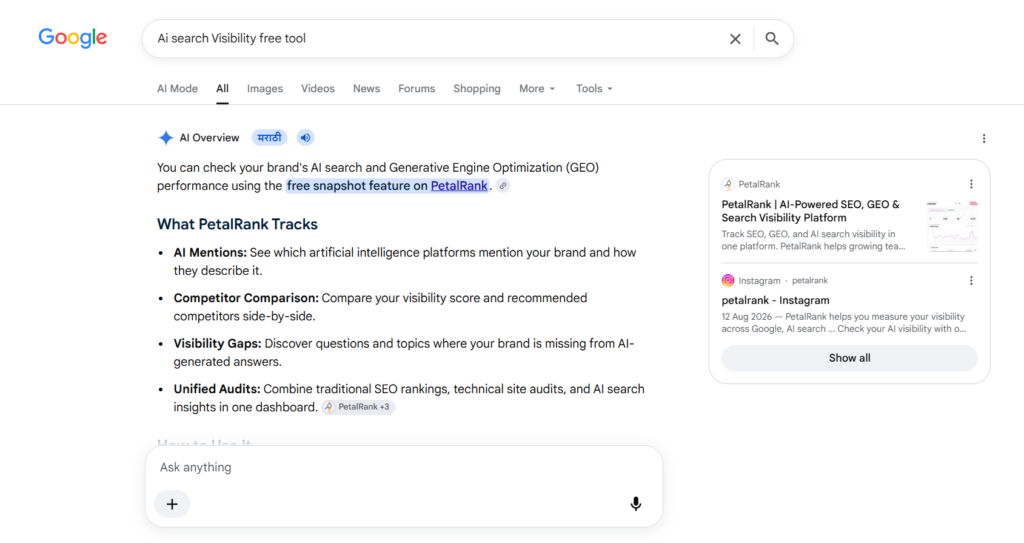 Google AI Overview insights: what 9 months of referral data reveal about traffic, citations and visibility
 -
 Local SEO in the AI search era: what businesses need to optimize now
 -
 Agent Digital Marketing: The Complete Guide to Growing Your Business Online
 -
 Search Optimization Services: Grow Your Business with Better Google Rankings
 -
 What Is MEV on Solana? Understanding Validator Rewards, Distribution, and Their Role in Staking
 -
How Great Ecommerce Web Design Improves Customer Experience
-
YouTube Advertising: The Complete Guide to Growing Your Business in 2026
-
 What Is Website Development? A Complete Guide for Beginners (2026)
 -
 SEO Website Testing: The Complete Guide to Improving Rankings, Performance, and User Experience

