Table of Contents
- Introduction to Generative Engine Optimization
- How GEO Differs from Traditional SEO
- The Benefits of Implementing GEO in Digital Marketing Strategies
- Key Components of a Successful GEO Campaign
- The Future of Digital Marketing: Trends and Predictions with GEO
- Overcoming Challenges and Common Mistakes in GEO Implementation
Introduction to Generative Engine Optimization
Generative Engine Optimization (GEO) is a revolutionary approach to digital marketing that leverages artificial intelligence and machine learning to optimize online content and advertising. By analyzing vast amounts of data and user behavior, GEO enables businesses to create highly targeted and personalized marketing campaigns that drive real results.
How GEO Differs from Traditional SEO
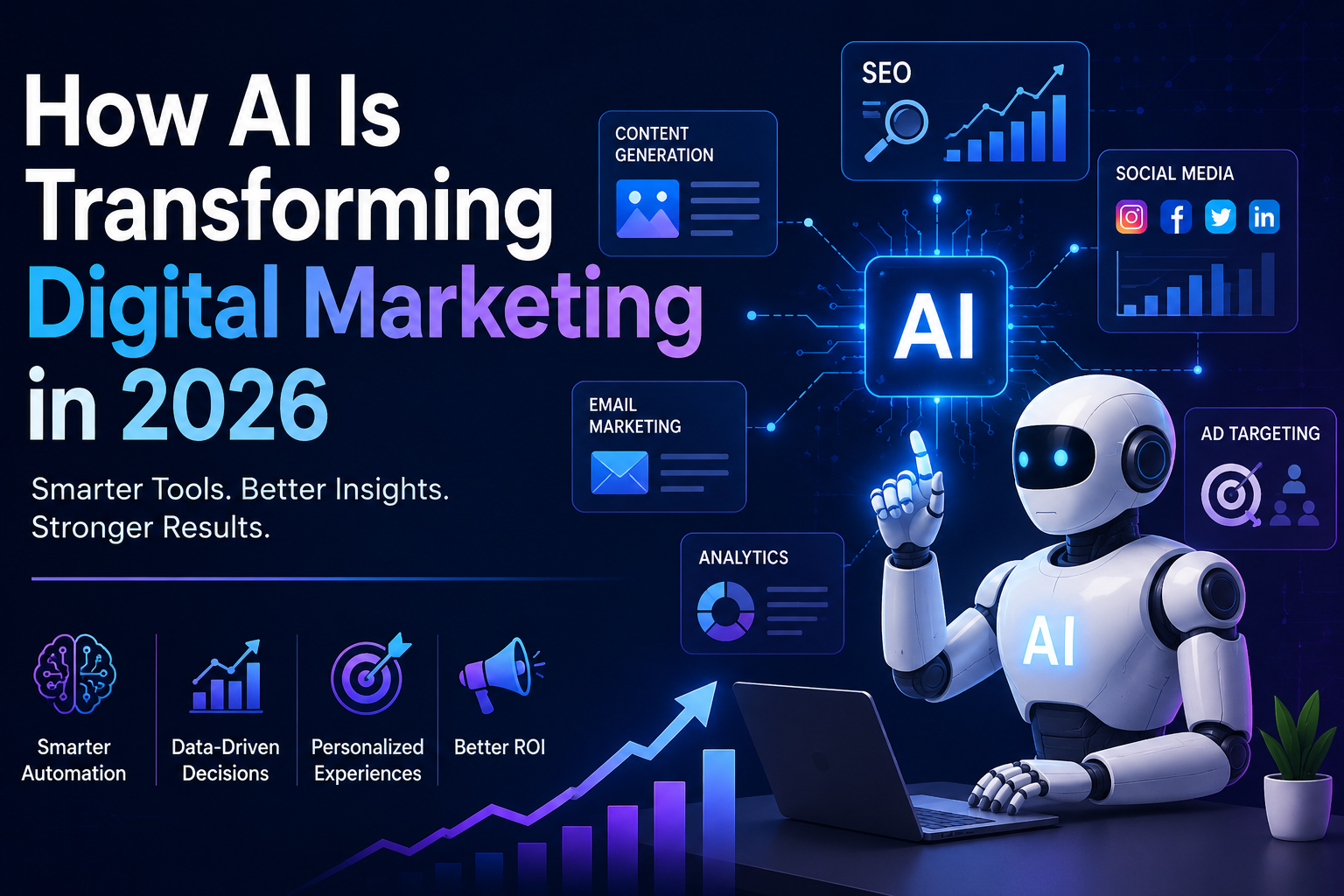
Unlike traditional Search Engine Optimization (SEO), which focuses on optimizing website content for search engines, GEO takes a more holistic approach to digital marketing. By combining data analysis, AI-powered content creation, and real-time optimization, GEO helps businesses to improve their online visibility, engagement, and conversion rates.
The Benefits of Implementing GEO in Digital Marketing Strategies
The benefits of implementing GEO in digital marketing strategies are numerous. Some of the most significant advantages include increased online visibility, improved engagement and conversion rates, enhanced personalization, and better ROI. By leveraging GEO, businesses can stay ahead of the competition and achieve their marketing goals more effectively.
Key Components of a Successful GEO Campaign
- Data analysis and interpretation
- AI-powered content creation
- Real-time optimization and testing
- Personalization and targeting
- Continuous monitoring and evaluation
The Future of Digital Marketing: Trends and Predictions with GEO
As GEO continues to evolve, we can expect to see significant changes in the digital marketing landscape. Some of the trends and predictions for the future of GEO include increased use of AI and machine learning, greater emphasis on personalization and targeting, and more focus on measuring and optimizing ROI.
Overcoming Challenges and Common Mistakes in GEO Implementation
While GEO offers many benefits, it also presents some challenges and common mistakes that businesses should be aware of. These include data quality and integration issues, lack of transparency and accountability, and insufficient training and expertise. By understanding these challenges and taking steps to overcome them, businesses can ensure a successful GEO implementation.
Frequently Asked Questions
- What is Generative Engine Optimization and how does it work? Generative Engine Optimization (GEO) is a digital marketing approach that uses AI and machine learning to optimize online content and advertising. It works by analyzing data and user behavior to create highly targeted and personalized marketing campaigns.
- How can businesses integrate GEO into their existing digital marketing strategies? Businesses can integrate GEO into their existing digital marketing strategies by leveraging AI-powered content creation tools, implementing real-time optimization and testing, and focusing on personalization and targeting.
- What are the potential risks or downsides of using GEO in digital marketing? The potential risks or downsides of using GEO in digital marketing include data quality and integration issues, lack of transparency and accountability, and insufficient training and expertise.
- How does GEO impact the role of content creators and digital marketers? GEO is likely to significantly impact the role of content creators and digital marketers, as it enables businesses to create highly targeted and personalized content using AI and machine learning.
- What are the expected outcomes and metrics for measuring the success of a GEO campaign? The expected outcomes and metrics for measuring the success of a GEO campaign include increased online visibility, improved engagement and conversion rates, enhanced personalization, and better ROI.
Start exploring the potential of Generative Engine Optimization for your business today and discover how it can revolutionize your digital marketing approach.