
In-Feed and In-App: Mastering Mobile Native Advertising Formats
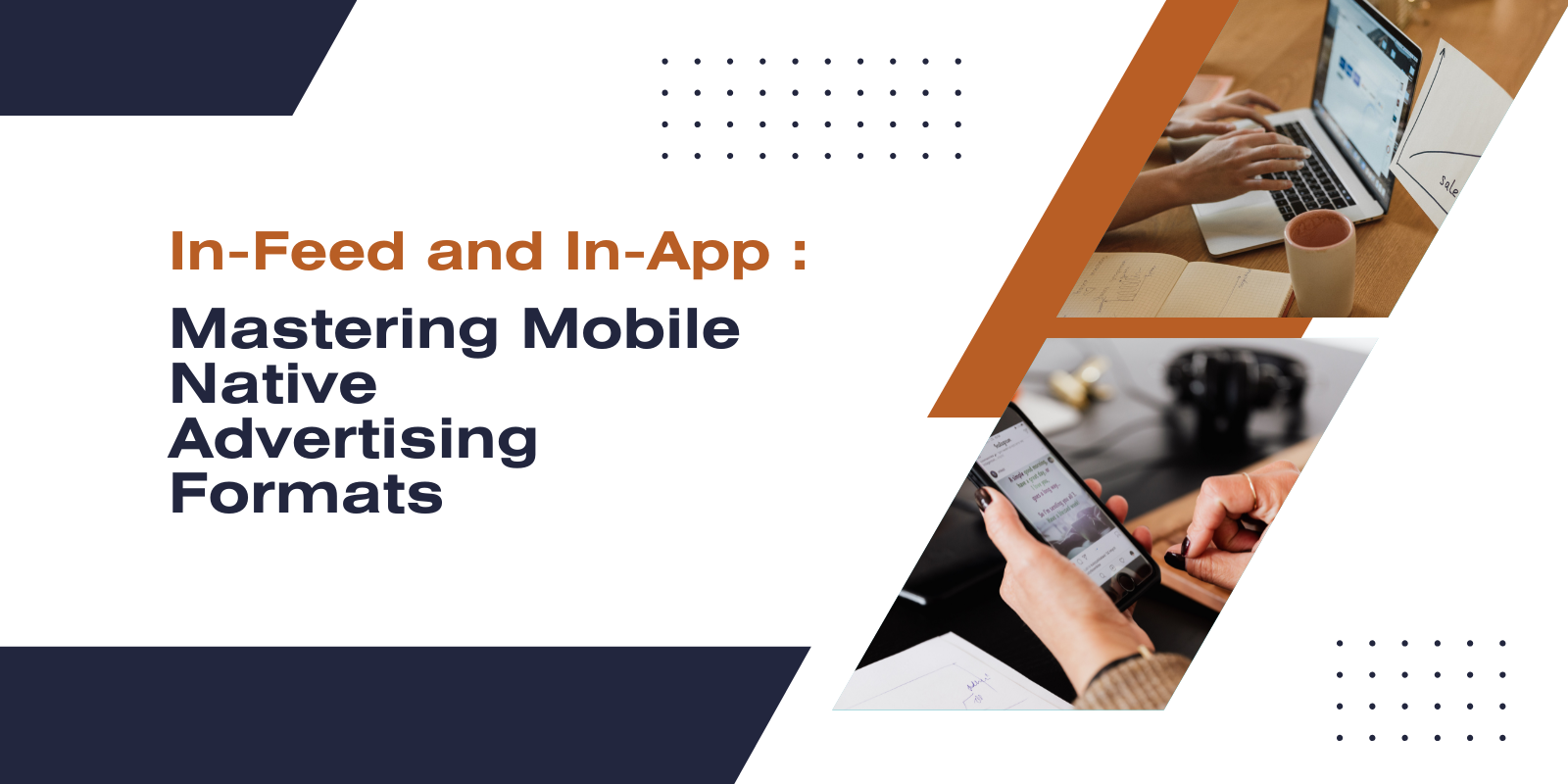
Mobile usage continues to dominate digital consumption, with users spending hours each day scrolling through apps, social feeds, and mobile websites. For advertisers, this shift presents a powerful opportunity to connect with audiences where they already spend most of their time.
However, traditional banner ads often struggle to capture attention on small screens. This is why native advertising formats—especially in-feed and in-app ads—have become increasingly important in mobile marketing strategies.
Native ads blend naturally into the surrounding environment, making them less intrusive and more engaging for users. In this guide, we’ll explore how in-feed and in-app native advertising works, why these formats are effective, and how brands can use them to create more impactful mobile campaigns.
What Is Mobile Native Advertising?
Mobile native advertising refers to paid promotional content designed to match the appearance and behavior of the platform where it appears. Instead of looking like traditional advertisements, native ads resemble the surrounding content within a mobile app or feed.
Mobile native advertising refers to paid promotional content designed to match the appearance and behavior of the platform where it appears. Instead of looking like traditional advertisements, native ads resemble the surrounding content within a mobile app or feed.
Because these ads feel like a natural part of the user experience, they tend to receive higher engagement than standard display ads.
Native advertising on mobile devices typically appears in formats such as social media feeds, news app content streams, or recommendation widgets. These placements allow brands to present promotional content in a way that feels relevant and contextual rather than disruptive.
Why Native Advertising Works on Mobile
Mobile users interact with content differently than desktop users. They scroll quickly, consume short bursts of information, and often multitask between apps.
Native advertising works well in this environment because it integrates seamlessly into the user experience. Instead of interrupting the browsing flow, native ads appear as part of the content stream, encouraging users to engage naturally.
Another advantage is relevance. Because native ads often align with the platform’s content style and user behavior, they can deliver more personalized and meaningful messages.
For advertisers, this translates into stronger engagement, improved brand perception, and better campaign performance.
Understanding In-Feed Advertising
In-feed ads are native advertisements that appear directly within content feeds, such as social media timelines, news feeds, or content recommendation streams.
These ads typically resemble regular posts or articles but include subtle indicators that identify them as sponsored content.
In-feed ads are effective because they appear in the same format as the surrounding content. This familiarity makes them easier for users to interact with while maintaining transparency about their promotional nature.
Many social platforms rely heavily on in-feed advertising because it allows brands to reach users in highly engaging environments.
Understanding In-App Advertising
In-app advertising refers to ads delivered within mobile applications rather than mobile websites. These ads can appear in several formats, including native placements, banners, or interactive experiences.
Native in-app ads are particularly effective because they integrate smoothly into the app’s design and functionality. For example, a sponsored recommendation might appear within a shopping app’s product feed or a promoted post within a social networking app.
Because users often spend extended time inside apps, in-app advertising allows brands to maintain consistent visibility throughout the mobile experience.
Key Benefits of In-Feed and In-App Native Ads
Native advertising formats provide several advantages for mobile marketing campaigns.
Seamless User Experience
Native ads blend into the surrounding environment, allowing users to interact with them without feeling interrupted. This approach reduces ad fatigue and improves engagement.
Higher Engagement Rates
Because native ads match the look and feel of the platform, users are more likely to interact with them compared to traditional banner ads.
Improved Brand Perception
When advertising content feels relevant and helpful, users tend to view the brand more positively. Native formats support storytelling and educational content that resonates with audiences.
Better Mobile Performance
Mobile screens are limited in space, making cluttered or intrusive ads less effective. Native formats optimize ad presentation for smaller screens and scrolling behavior.
Best Practices for Mobile Native Advertising
To maximize the effectiveness of in-feed and in-app campaigns, marketers should follow several best practices.
Match the Platform’s Content Style
Native ads should reflect the tone, format, and visual style of the platform where they appear. This consistency helps ads feel like a natural part of the experience.
Focus on Mobile-First Creative
Mobile audiences respond best to concise messaging, clear visuals, and simple calls to action. Designing creative specifically for mobile devices ensures better usability and performance.
Prioritize Relevance and Context
Ads should align with the user’s interests and the surrounding content. Contextual targeting helps ensure that ads appear in environments where they feel meaningful.
Test Multiple Variations
Experimenting with different headlines, visuals, and formats helps identify which combinations resonate most strongly with mobile audiences.
Optimize for Speed and Performance
Mobile users expect fast-loading experiences. Ads that load slowly or disrupt the interface can harm engagement and reduce campaign effectiveness.
Measuring the Success of Native Mobile Ads
Evaluating campaign performance helps marketers refine strategies and improve results over time.
Key metrics for native mobile advertising include:
- Click-through rate (CTR)
- Engagement rate
- Conversion rate
- Time spent interacting with the ad
- Cost per acquisition (CPA)
Analyzing these indicators provides insight into how effectively campaigns capture attention and drive desired actions.
The Future of Mobile Native Advertising
As mobile technology continues to evolve, native advertising formats will likely become even more sophisticated. Advances in personalization, artificial intelligence, and data analytics will enable advertisers to deliver highly relevant messages tailored to individual users.
Interactive formats, augmented reality experiences, and dynamic content recommendations may also play larger roles in future native advertising strategies.
For marketers, mastering mobile-native formats today will help position their brands for success as digital advertising continues to evolve.
Final Thoughts
In-feed and in-app native advertising formats offer a powerful way for brands to engage mobile audiences without disrupting their experience. By blending seamlessly into content feeds and mobile applications, native ads provide a more natural and effective approach to digital promotion.
When combined with thoughtful targeting, mobile-first creative design, and continuous optimization, these formats can significantly improve engagement and conversion performance.
As mobile usage continues to grow, mastering native advertising strategies will remain essential for brands looking to stay competitive in the digital marketing landscape.
Recent posts
-
 Best AI Tools in 2026: Which Ones Are Actually Worth Using?
 -
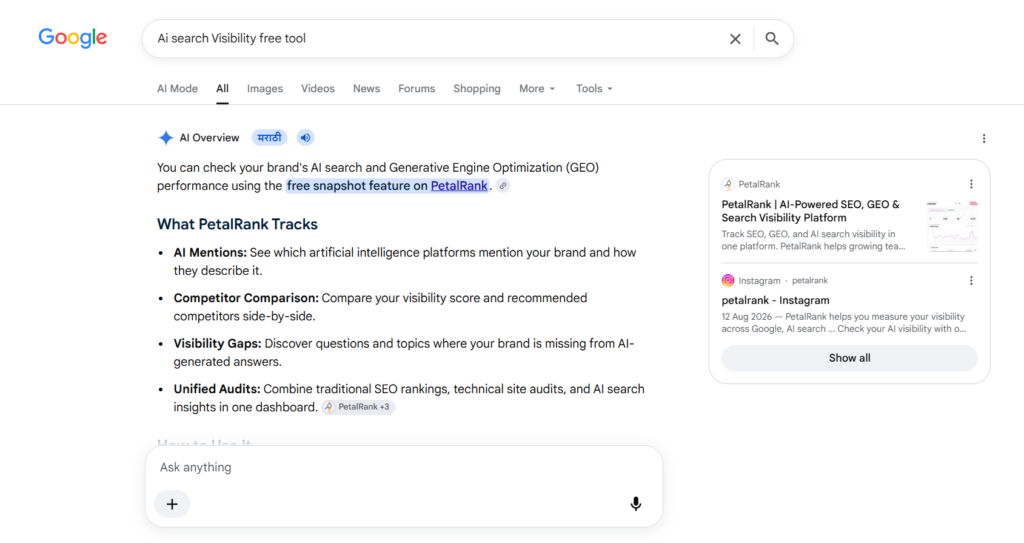 Google AI Overview insights: what 9 months of referral data reveal about traffic, citations and visibility
 -
 Local SEO in the AI search era: what businesses need to optimize now
 -
 Agent Digital Marketing: The Complete Guide to Growing Your Business Online
 -
 Search Optimization Services: Grow Your Business with Better Google Rankings
 -
 What Is MEV on Solana? Understanding Validator Rewards, Distribution, and Their Role in Staking
 -
How Great Ecommerce Web Design Improves Customer Experience
-
YouTube Advertising: The Complete Guide to Growing Your Business in 2026
-
 What Is Website Development? A Complete Guide for Beginners (2026)
 -
 SEO Website Testing: The Complete Guide to Improving Rankings, Performance, and User Experience

