
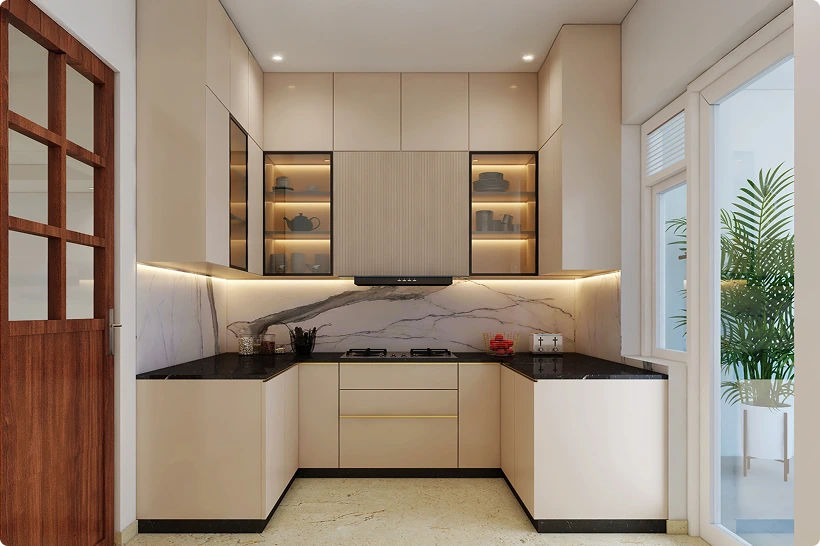
Designing a kitchen is no longer just about cabinets and countertops. Today, homeowners want kitchens that look beautiful, save space, and make daily cooking easier. That’s why modular kitchens have become one of the most popular choices in modern homes.
A well-planned modular kitchen design catalogue helps you compare styles, materials, layouts, and accessories in one place. Instead of imagining how a kitchen might look, you can see real design concepts and choose what fits your home best.
Whether you are renovating an old kitchen or designing a new one, this guide will help you understand how to use a modular kitchen catalogue effectively.
What Is a Modular Kitchen Design Catalogue?
A modular kitchen design catalogue is a collection of pre-designed kitchen concepts that showcase layouts, cabinet styles, materials, colors, and storage solutions.
It acts like a visual planning guide for homeowners and interior designers.
A modular kitchen catalogue usually includes:
- Kitchen layouts
- Cabinet designs
- Finish options
- Countertop ideas
- Storage accessories
- Appliance integration ideas
- Lighting inspiration
- Budget-based kitchen concepts
Think of it like browsing furniture designs before decorating your living room. It gives you ideas while helping you visualize the final setup.
Why Do Homeowners Prefer Modular Kitchens?
Modular kitchens are popular because they combine style, convenience, and efficient space usage.
Unlike traditional kitchens built entirely on-site, modular kitchens are factory-made in sections and assembled at home.
Benefits of modular kitchens
- Faster installation
- Better organization
- Modern appearance
- Easy maintenance
- Space optimization
- Customizable designs
- Improved storage capacity
For example, a compact apartment kitchen can include pull-out baskets, corner carousels, and tall pantry units that maximize every inch of space.
Which Kitchen Layout Is Best for Your Home?
The best kitchen layout depends on your room size, cooking habits, and storage needs.
Here are the most common layouts found in a modular kitchen design catalogue.
What Is an L-Shaped Modular Kitchen?
An L-shaped kitchen uses two connected walls to form an “L” layout.
What Is an L-Shaped Modular Kitchen?
An L-shaped kitchen uses two connected walls to form an “L” layout.
It works well for small and medium-sized homes because it creates an open and efficient cooking area.
Best features of L-shaped kitchens
- Good corner utilization
- Easy movement
- Open layout feel
- Suitable for apartments
Ideal for
- Small families
- Compact homes
- Open kitchen concepts
A U-shaped kitchen uses three connected walls, offering maximum countertop and storage space.
This layout is ideal for people who cook frequently and need organized work zones.
Advantages
- More cabinets
- Better workflow
- Extra countertop space
- Separate prep and cooking zones
Ideal for
- Large kitchens
- Joint families
- Heavy cooking usage
An island kitchen includes a central counter that can be used for cooking, dining, or storage.
Island kitchens create a premium and luxurious look.
Benefits of island kitchens
- Additional workspace
- Better social interaction
- Stylish appearance
- Multi-functional usage
Ideal for
- Large homes
- Open floor plans
- Modern luxury interiors
What Materials Are Used in Modular Kitchen Cabinets?
The material you choose affects durability, maintenance, and appearance.
Most modular kitchen catalogues offer multiple cabinet material options.
MaterialBenefitsBest ForMDF | Smooth finish, affordable | Budget kitchens
Plywood | Strong and moisture-resistant | Long-term durability
HDF | Dense and durable | Premium kitchens
Particle Board | Cost-effective | Temporary setups
Stainless Steel | Hygienic and modern | Industrial-style kitchens
Plywood | Strong and moisture-resistant | Long-term durability
HDF | Dense and durable | Premium kitchens
Particle Board | Cost-effective | Temporary setups
Stainless Steel | Hygienic and modern | Industrial-style kitchens
Which Finish Looks Best in Modern Kitchens?
Kitchen finishes define the overall style and mood of the kitchen.
Popular modular kitchen finishes
Glossy Finish
Reflects light and makes smaller kitchens look bigger.
Matte Finish
Creates a soft, elegant, and premium appearance.
Acrylic Finish
Highly polished and luxurious.
Laminate Finish
Affordable and available in many colors and textures.
Membrane Finish
Seamless appearance with smooth edges.
A modern modular kitchen design catalogue often combines multiple finishes for a balanced look.
How Can You Maximize Storage in a Modular Kitchen?
Smart storage is one of the biggest advantages of modular kitchens.
Modern kitchen catalogues now focus heavily on functional storage accessories.
Popular storage solutions
- Pull-out pantry units
- Tandem drawers
- Corner carousel systems
- Cutlery organizers
- Tall units
- Bottle pull-outs
- Under-sink storage
- Overhead cabinets
Imagine having a dedicated space for every spoon, spice jar, and appliance. That’s the convenience modular kitchens offer.
Which Colors Work Best for Modular Kitchens?
Kitchen colors influence the mood and visual space of the room.
Trending modular kitchen colors
- White and wood finish
- Grey and black combination
- Beige and cream shades
- Navy blue accents
- Olive green cabinets
- Matte charcoal tones
Tips for choosing kitchen colors
- Use light colors for small kitchens
- Combine wood textures for warmth
- Choose matte finishes for luxury appeal
- Add contrasting handles for modern style
How Much Does a Modular Kitchen Cost?
The cost depends on layout size, materials, finishes, accessories, and appliances.
Average modular kitchen price range in India
Kitchen TypeEstimated CostSmall Kitchen | ₹1.5 – ₹3 Lakhs
Medium Kitchen | ₹3 – ₹6 Lakhs
Premium Kitchen | ₹6 – ₹15 Lakhs+
Medium Kitchen | ₹3 – ₹6 Lakhs
Premium Kitchen | ₹6 – ₹15 Lakhs+
Additional features like smart lighting, built-in appliances, and premium hardware increase overall costs.
What Should You Look for in a Modular Kitchen Design Catalogue?
A good catalogue should help you compare both aesthetics and functionality.
Key things to evaluate
- Layout options
- Storage features
- Material quality
- Finish durability
- Appliance integration
- Customization flexibility
- Space-saving solutions
- Budget transparency
Do not choose a kitchen only because it looks attractive in pictures. Practical functionality matters just as much.
Are Modular Kitchens Easy to Maintain?
Yes. Modular kitchens are designed for easy cleaning and maintenance.
Yes. Modular kitchens are designed for easy cleaning and maintenance.
Maintenance tips
- Clean spills immediately
- Use mild cleaning solutions
- Avoid excessive moisture exposure
- Regularly clean hardware fittings
- Lubricate drawer channels occasionally
Good-quality laminates and acrylic finishes are especially easy to maintain in busy households.
How Do You Choose the Right Modular Kitchen Style?
Your kitchen style should match your lifestyle and home interiors.
Popular modular kitchen styles
Contemporary Kitchens
Minimal and clean designs with sleek finishes.
Minimal and clean designs with sleek finishes.
Traditional Modular Kitchens
Classic wood textures with warm tones.
Classic wood textures with warm tones.
Scandinavian Kitchens
Simple layouts with bright colors and natural materials.
Simple layouts with bright colors and natural materials.
Industrial Kitchens
Metal finishes, exposed textures, and darker shades.
Metal finishes, exposed textures, and darker shades.
Minimalist Kitchens
Handleless cabinets and clutter-free layouts.
Handleless cabinets and clutter-free layouts.
Quick Summary
Best modular kitchen layouts
- L-shaped for compact homes
- U-shaped for maximum storage
- Parallel kitchens for efficient workflow
- Island kitchens for luxury spaces
Best finishes
- Matte for elegance
- Acrylic for premium shine
- Laminate for affordability
Most useful storage accessories
- Pull-out baskets
- Tall pantry units
- Corner carousels
- Drawer organizers
How Does a Modular Kitchen Improve Daily Life?
A modular kitchen improves workflow, reduces clutter, and makes cooking more organized.
Instead of searching through overcrowded cabinets, everything has a designated place. Cooking becomes faster, cleaning becomes easier, and the kitchen feels more spacious.
For families that spend a lot of time in the kitchen, this makes a noticeable difference every day.
Start Your Modern Home Transformation Today
Get expert guidance, tailored design ideas, and stylish solutions that match your lifestyle perfectly.
Book Your Free Modern Interior Design Consultation Now
Start Your Modern Home Transformation Today
Get expert guidance, tailored design ideas, and stylish solutions that match your lifestyle perfectly.
Book Your Free Modern Interior Design Consultation Now
FAQs
What is included in a modular kitchen design catalogue?
A modular kitchen design catalogue includes layouts, cabinet styles, storage ideas, finishes, countertop options, accessories, and appliance integration concepts.
A modular kitchen design catalogue includes layouts, cabinet styles, storage ideas, finishes, countertop options, accessories, and appliance integration concepts.
Which modular kitchen layout is best for small homes?
L-shaped and parallel kitchens work best for small homes because they maximize available space while maintaining smooth movement.
Are modular kitchens expensive?
Modular kitchens are available in different price ranges. Budget-friendly options are available using laminates and MDF materials, while premium kitchens use acrylic finishes and high-end hardware.
Which material is best for modular kitchen cabinets?
Plywood is considered one of the best materials because it is durable, moisture-resistant, and long-lasting.
How long does a modular kitchen last?
A high-quality modular kitchen can last 10–20 years with proper maintenance and durable materials.
Can modular kitchens be customized?
Yes. Most modular kitchens are fully customizable based on layout, colors, storage needs, finishes, and appliances.
Are modular kitchens easy to clean?
Yes. Smooth surfaces, organized storage, and modern finishes make modular kitchens easier to clean compared to traditional kitchens.
Key Takeaways
- A modular kitchen design catalogue helps homeowners compare layouts, finishes, and storage solutions easily.
- Modular kitchens improve organization, space efficiency, and aesthetics.
- L-shaped kitchens work well for smaller homes, while island kitchens suit luxury spaces.
- Material and finish selection directly affect durability and maintenance.
- Smart storage solutions are essential for functional kitchen design.
- Choosing the right catalogue simplifies kitchen planning and budgeting.