
How Targeted Advertising Improves ROI? A Practical Guide for Modern Marketers
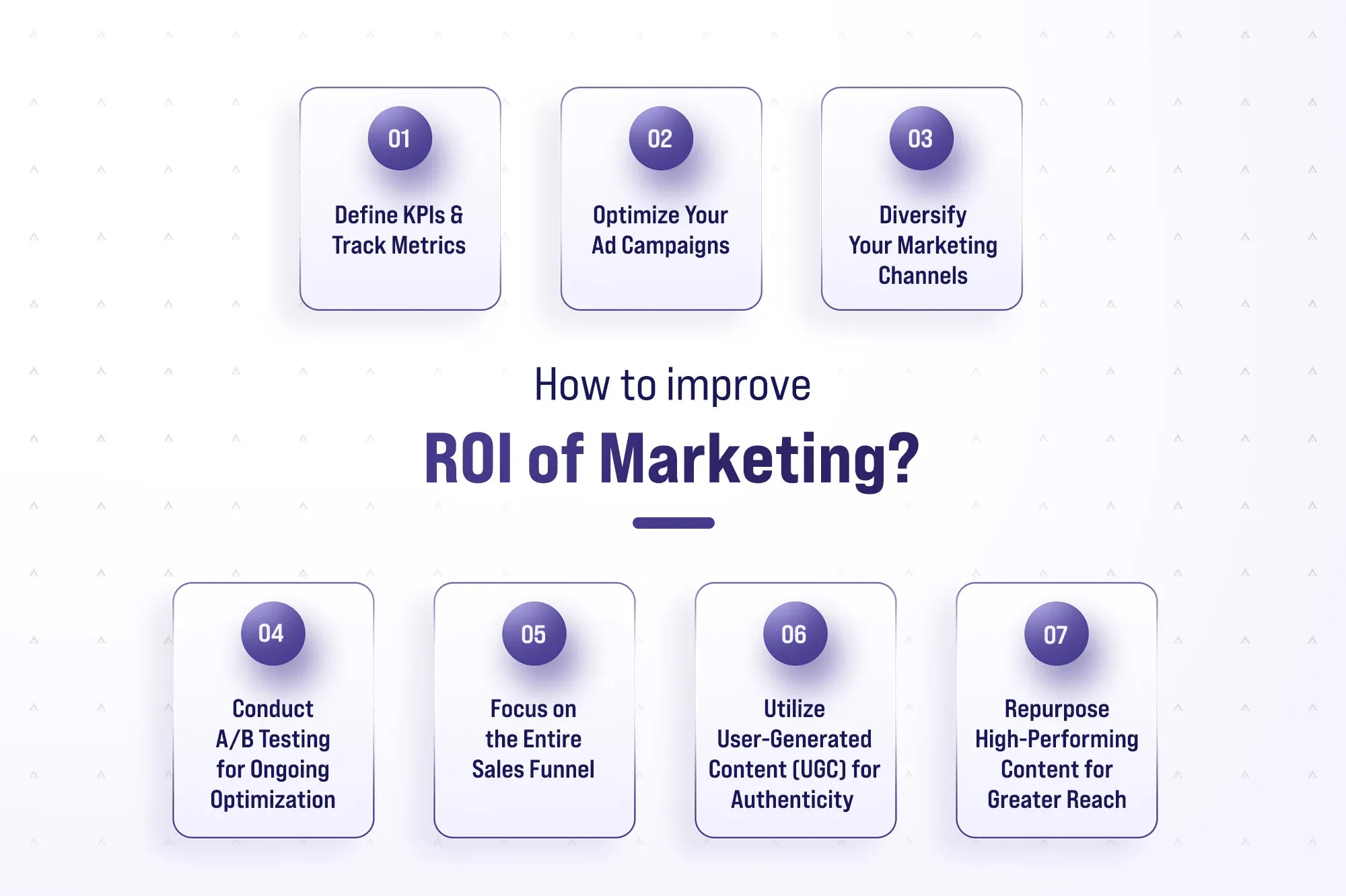
Advertising without targeting is like shouting in a crowded room and hoping the right person hears you.
Targeted advertising changes that. Instead of broadcasting one message to everyone, it allows businesses to focus their budget on audiences most likely to convert. The result? Lower waste, higher engagement, and stronger return on investment.
In this guide, we’ll explore how targeted advertising works, why it directly impacts ROI, the different targeting approaches available, and how to apply them effectively in today’s privacy-focused marketing landscape.
What Is Targeted Advertising?
Targeted advertising is a strategy where ads are shown to specific audience segments based on defined characteristics, behaviors, interests, or intent signals.
Targeted advertising is a strategy where ads are shown to specific audience segments based on defined characteristics, behaviors, interests, or intent signals.
Rather than displaying ads broadly, marketers use audience data to determine:
- Who sees the ad
- When they see it
- What version of the message they receive
The goal is simple: increase relevance.
When relevance increases, performance improves.
How Targeted Advertising Works
Targeted advertising operates through audience segmentation and data-driven decision-making.
Targeted advertising operates through audience segmentation and data-driven decision-making.
Here’s how the process typically unfolds:
- Data Collection – Businesses gather insights through website analytics, CRM systems, customer interactions, and campaign data.
- Audience Segmentation – Users are grouped based on shared attributes or behaviors.
- Ad Personalization – Creative elements are adjusted to match the segment’s preferences or stage in the buying journey.
- Delivery Optimization – Platforms use algorithms to show ads to users most likely to engage.
- Performance Analysis – Campaign results are monitored and refined to improve efficiency.
This loop of data → targeting → optimization directly strengthens ROI over time.
Why Targeted Advertising Directly Improves ROI
ROI improves when you generate more revenue for every dollar spent. Targeted advertising contributes to this in several measurable ways.
ROI improves when you generate more revenue for every dollar spent. Targeted advertising contributes to this in several measurable ways.
1. Reduced Budget Waste
Showing ads only to relevant users means fewer impressions are wasted on uninterested audiences. This increases the efficiency of every campaign dollar.
Showing ads only to relevant users means fewer impressions are wasted on uninterested audiences. This increases the efficiency of every campaign dollar.
2. Higher Click-Through Rates
When ads align with user interests or intent, engagement increases. Higher CTR often signals stronger campaign relevance and lowers cost-per-click on many platforms.
When ads align with user interests or intent, engagement increases. Higher CTR often signals stronger campaign relevance and lowers cost-per-click on many platforms.
3. Improved Conversion Rates
Users who see relevant messaging are more likely to complete a desired action — whether that’s signing up, requesting a demo, or making a purchase.
4. Lower Cost Per Acquisition (CPA)
By filtering out low-intent audiences, targeted campaigns reduce acquisition costs compared to broad campaigns.
By filtering out low-intent audiences, targeted campaigns reduce acquisition costs compared to broad campaigns.
5. Smarter Scaling
When high-performing segments are identified, budgets can be increased strategically rather than blindly.
When high-performing segments are identified, budgets can be increased strategically rather than blindly.
Different Types of Targeted Advertising
There isn’t just one way to target audiences. Marketers combine multiple targeting methods for maximum impact.
Demographic Targeting
This method segments audiences based on characteristics like age, gender, income level, education, or occupation.
It works well when product appeal varies significantly across life stages or income groups.
Behavioral Targeting
Behavioral targeting uses data about past online actions — such as browsing behavior, product views, or previous purchases — to serve relevant ads.
This is particularly effective for retargeting campaigns.
Geographic Targeting
Ads are delivered based on physical location, such as country, city, or even radius targeting. This is essential for local businesses and region-specific campaigns.
Contextual Targeting
Instead of targeting the user, contextual advertising targets the content environment. Ads are placed alongside relevant articles or videos that align with the product category.
This approach is gaining importance in privacy-first marketing.
Interest-Based Targeting
Platforms analyze content consumption patterns to categorize users by interests. Ads are then delivered based on inferred interest groups.
Targeted Advertising vs Broad Advertising
Broad advertising aims for maximum reach. Targeted advertising aims for maximum relevance.
Broad campaigns may generate awareness, but they often produce lower efficiency.
Targeted campaigns prioritize precision. While reach may be smaller, conversion likelihood is significantly higher — leading to stronger ROI.
Key Benefits Beyond ROI
Although ROI is the primary focus, targeted advertising offers additional advantages:
- More meaningful customer experiences
- Higher engagement across channels
- Better audience insights
- Improved campaign reporting accuracy
- Stronger competitive positioning
When customers feel understood, they respond more positively.
Common Challenges Marketers Should Watch For
Targeted advertising is powerful — but not without risks.
Targeted advertising is powerful — but not without risks.
Over-Segmentation
Creating too many narrow segments can limit reach and drive up costs.
Data Quality Issues
Incomplete or outdated data leads to ineffective targeting decisions.
Ad Fatigue
Highly targeted audiences may see the same ad repeatedly, reducing effectiveness over time.
Privacy Regulations
Marketers must comply with evolving data protection standards and prioritize transparency.
Best Practices for Maximizing ROI With Targeted Ads
To get the most from targeted advertising:
To get the most from targeted advertising:
Use First-Party Data Strategically
Your own customer data is often more accurate than external sources.
Combine Multiple Targeting Methods
Layering demographic, behavioral, and contextual targeting increases precision.
Continuously Test Creative Variations
Even with perfect targeting, creative messaging determines final performance.
Even with perfect targeting, creative messaging determines final performance.
Monitor Cost Metrics Closely
Track CPA, ROAS, and engagement metrics regularly to optimize spend.
Track CPA, ROAS, and engagement metrics regularly to optimize spend.
Refresh Campaigns Frequently
Updating creatives and audience definitions prevents performance decline.
The Role of AI in Modern Targeted Advertising
Artificial intelligence now plays a significant role in optimizing targeting decisions.
Artificial intelligence now plays a significant role in optimizing targeting decisions.
Machine learning models analyze patterns in user behavior to:
- Predict conversion likelihood
- Adjust bids automatically
- Identify high-value audience segments
- Optimize ad placement
This automation improves efficiency while reducing manual guesswork.
Making Targeted Advertising Work for Your Business
Targeted advertising improves ROI because it shifts focus from volume to relevance.
Targeted advertising improves ROI because it shifts focus from volume to relevance.
Instead of trying to reach everyone, it prioritizes reaching the right people.
When implemented thoughtfully — with clean data, strategic segmentation, and consistent optimization — targeted advertising becomes one of the most reliable drivers of measurable marketing growth.
The brands that succeed are not necessarily the ones spending the most.
They are the ones spending the smartest.
Recent posts
-
 Best AI Tools in 2026: Which Ones Are Actually Worth Using?
 -
 Google AI Overview insights: what 9 months of referral data reveal about traffic, citations and visibility
 -
 Local SEO in the AI search era: what businesses need to optimize now
 -
 Agent Digital Marketing: The Complete Guide to Growing Your Business Online
 -
 Search Optimization Services: Grow Your Business with Better Google Rankings
 -
 What Is MEV on Solana? Understanding Validator Rewards, Distribution, and Their Role in Staking
 -
How Great Ecommerce Web Design Improves Customer Experience
-
YouTube Advertising: The Complete Guide to Growing Your Business in 2026
-
 What Is Website Development? A Complete Guide for Beginners (2026)
 -
 SEO Website Testing: The Complete Guide to Improving Rankings, Performance, and User Experience

