
Powerful Ad Management Tools for Marketers
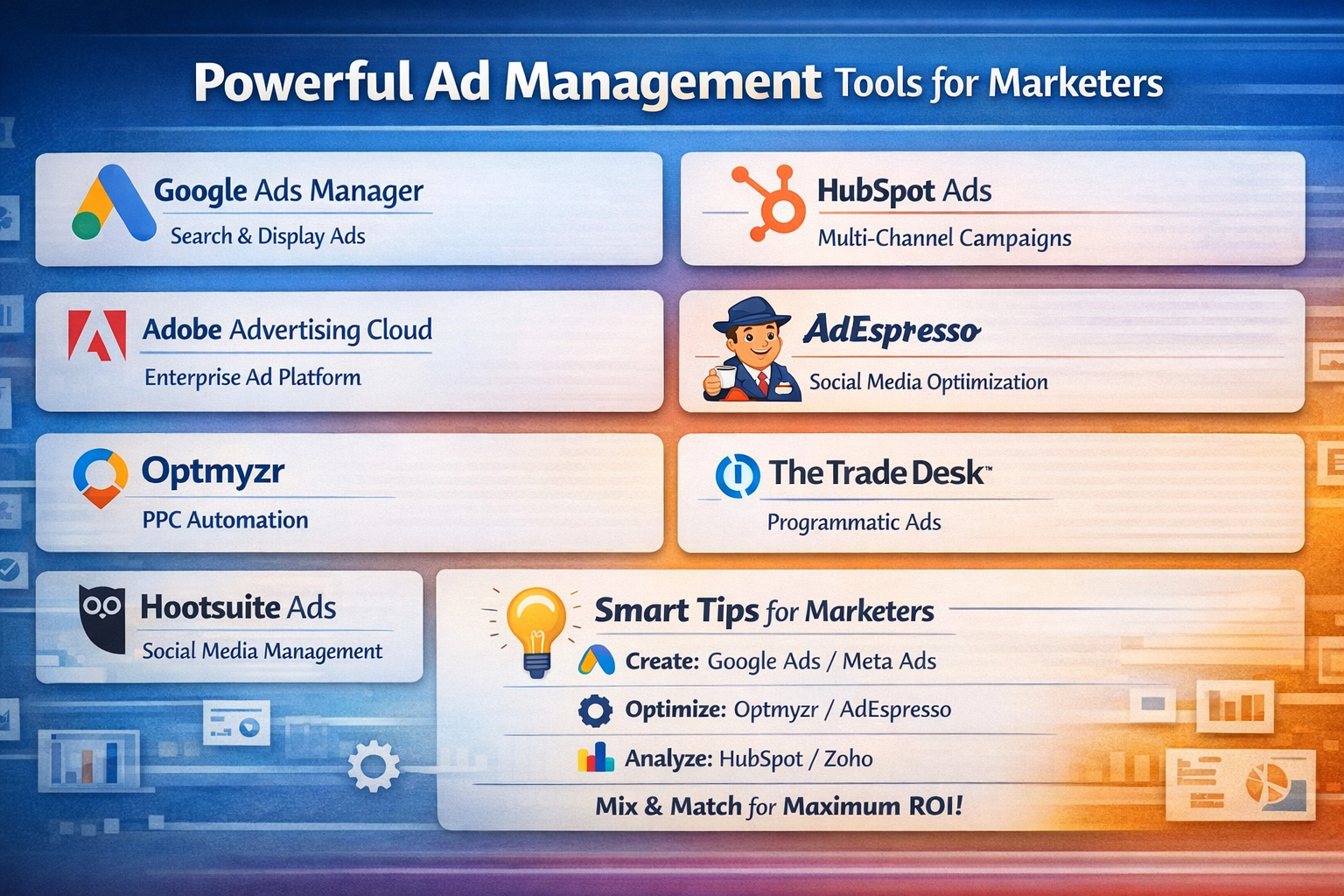
Managing digital advertising across platforms can quickly become complex. With so many channels — Facebook, Google, TikTok, LinkedIn, Pinterest, programmatic networks, and more — advertisers need robust tools to plan, execute, analyze, and optimize campaigns efficiently.
In this guide, we’ll walk through the most powerful ad management tools available to marketers today, explain how they work, and help you decide which tools are best for your strategy.
What Is an Ad Management Tool?
An ad management tool is software designed to help marketers automate, optimize, and analyze advertising campaigns across one or more channels. These tools centralize workflows that might otherwise be scattered across multiple platforms, dashboards, or spreadsheets — streamlining everything from audience targeting and bid management to reporting and creative testing.
An ad management tool is software designed to help marketers automate, optimize, and analyze advertising campaigns across one or more channels. These tools centralize workflows that might otherwise be scattered across multiple platforms, dashboards, or spreadsheets — streamlining everything from audience targeting and bid management to reporting and creative testing.
The goal of an ad management tool is to reduce manual effort, improve consistency, and drive better performance through automation and insights.
Why Marketers Need Ad Management Tools
As digital advertising grows more competitive and data-driven, manually managing campaigns becomes inefficient and error-prone. Marketers need tools that:
As digital advertising grows more competitive and data-driven, manually managing campaigns becomes inefficient and error-prone. Marketers need tools that:
- Provide unified visibility across platforms
- Automate bidding and audience optimization
- Deliver performance insights in real time
- Simplify reporting for stakeholders
- Help scale campaigns without increasing workload
Without these capabilities, advertisers risk wasted spend, inconsistent messaging, and slow reaction times to market changes.
Core Features to Look for in Ad Management Tools
Different tools have different strengths, but certain capabilities are essential:
Cross-Channel Management: The ability to manage campaigns on multiple platforms from one interface.
Automated Bidding: Tools that adjust bids dynamically to hit performance goals.
Audience Segmentation: Advanced audience creation and targeting support.
Creative Testing: A/B testing, variant analysis, and optimization suggestions.
Reporting and Dashboards: Clear, customizable insights that help teams make informed decisions.
Automated Bidding: Tools that adjust bids dynamically to hit performance goals.
Audience Segmentation: Advanced audience creation and targeting support.
Creative Testing: A/B testing, variant analysis, and optimization suggestions.
Reporting and Dashboards: Clear, customizable insights that help teams make informed decisions.
These features increase efficiency and help marketers make data-backed optimizations without manual intervention.
Top Ad Management Tools for Modern Marketers
Below we explore powerful tools marketers use to manage and scale advertising effectively.
1. Unified Ad Platforms
What They Do:
Unified ad platforms allow marketers to plan, launch, and optimize campaigns across multiple channels — social, search, display, and video — from one dashboard.
What They Do:
Unified ad platforms allow marketers to plan, launch, and optimize campaigns across multiple channels — social, search, display, and video — from one dashboard.
Why They Matter:
Instead of logging into separate interfaces for each channel, marketers gain a centralized view of performance, which improves efficiency and strategic coordination.
Instead of logging into separate interfaces for each channel, marketers gain a centralized view of performance, which improves efficiency and strategic coordination.
When used well, these tools reduce the time spent on campaign setup and enable quicker optimization.
2. Automation-First Tools
What They Do:
These tools focus on automating tasks like bidding, budget pacing, and audience refinement. They leverage machine learning to optimize performance based on historical and real-time data.
These tools focus on automating tasks like bidding, budget pacing, and audience refinement. They leverage machine learning to optimize performance based on historical and real-time data.
Why They Matter:
Automation enables campaigns to adapt quickly to changing conditions without constant manual adjustment. For high-volume, multi-market campaigns, this can significantly reduce workload while improving results.
Automation enables campaigns to adapt quickly to changing conditions without constant manual adjustment. For high-volume, multi-market campaigns, this can significantly reduce workload while improving results.
3. Social Ad Management Tools
What They Do:
Designed specifically for social media advertising, these tools help marketers manage, schedule, and optimize ads across platforms like Facebook, Instagram, TikTok, LinkedIn, and Pinterest.
Why They Matter:
Social channels each have unique features and optimization dynamics. A specialized tool helps advertisers tailor campaigns while maintaining a unified strategy.
Social channels each have unique features and optimization dynamics. A specialized tool helps advertisers tailor campaigns while maintaining a unified strategy.
With reliable tools, marketers can coordinate messaging, track conversions consistently, and ensure creative alignment across social feeds.
4. Programmatic Ad Platforms
What They Do:
Programmatic tools automate the buying and placement of ads across a wide range of publisher inventories using real-time bidding. They help marketers reach audiences at scale with precision.
What They Do:
Programmatic tools automate the buying and placement of ads across a wide range of publisher inventories using real-time bidding. They help marketers reach audiences at scale with precision.
Why They Matter:
Programmatic advertising expands reach beyond owned and paid search/social properties, enabling brands to deliver tailored messages across premium sites and apps.
Programmatic advertising expands reach beyond owned and paid search/social properties, enabling brands to deliver tailored messages across premium sites and apps.
These systems use audience signals and performance data to refine placement decisions dynamically.
5. Analytics and Reporting Tools
What They Do:
Analytics and reporting tools collect performance data from ad platforms and present metrics in dashboards that are easy to interpret.
Analytics and reporting tools collect performance data from ad platforms and present metrics in dashboards that are easy to interpret.
Why They Matter:
Without efficient reporting, marketers struggle to answer simple questions like which campaign performed best or where budget should be reallocated.
Without efficient reporting, marketers struggle to answer simple questions like which campaign performed best or where budget should be reallocated.
Advanced tools connect with multiple ad sources, normalize data, and visualize performance trends.
How Ad Management Tools Improve Campaign Performance
Ad management tools improve performance in several key ways:
1. Reduced Manual Work:
With automated pacing, bidding, and reporting, teams spend less time on repetitive tasks and more time on strategic decisions.
With automated pacing, bidding, and reporting, teams spend less time on repetitive tasks and more time on strategic decisions.
2. Smarter Budget Allocation:
Tools analyze performance signals in real time and help shift budget toward higher-performing audiences or channels.
Tools analyze performance signals in real time and help shift budget toward higher-performing audiences or channels.
3. Faster Iteration:
Quick experimentation with creatives and audiences produces clearer insights and better optimizations.
4. Consistent Reporting:
Unified dashboards make it easier to share results with stakeholders and ensure that decision-making is data-driven.
Choosing the Right Tool for Your Business
Selecting the best ad management solution depends on your goals, team size, and channels used:
- Small teams may prioritize ease of use and automation.
- Mid-sized businesses often need cross-channel visibility.
- Large enterprises may require advanced analytics and programmatic integration.
Budget, integration needs, and technical expertise also influence tool selection. What matters most is choosing a platform that matches your operational maturity and growth goals.
How to Evaluate a Tool Before You Commit
Before investing in any ad management software, consider:
Before investing in any ad management software, consider:
- Does it support all the channels you advertise on?
- How intuitive is the interface for your team?
- Are there strong reporting and alerting features?
- Can you customize automations and audience segments?
- What level of support and onboarding is provided?
Testing tools through demos or trial versions can help ensure they fit your workflow and deliver the performance insights you need.
Integrating Tools With Your Tech Stack
Ad management tools deliver the most value when they are connected with other systems such as:
Ad management tools deliver the most value when they are connected with other systems such as:
- CRM platforms for aligning ads with sales data
- Analytics tools for deeper audience insights
- Data warehouses for unified visibility
- Marketing automation for coordinated messaging
Integration allows performance data to flow freely between systems, improving accuracy and strategic alignment.
Best Practices for Using Ad Management Tools
To get the most out of these tools, consider:
To get the most out of these tools, consider:
- Establishing clear campaign goals before setup
- Monitoring performance frequently (not just after launch)
- A/B testing creative elements and audience sets
- Integrating first-party data for precise targeting
- Combining automation with strategic human oversight
Effective use of management tools is a balance between technology and human insight.
Future Trends in Ad Management Technology
Looking ahead, adoption of AI and machine learning will grow deeper, enabling:
Looking ahead, adoption of AI and machine learning will grow deeper, enabling:
- Predictive audience modeling
- Automated creative personalization
- Cross-channel optimization driven by real-time signals
- Smarter budget pacing aligned with business objectives
Tools that embrace these advancements will help marketers stay competitive as advertising environments evolve.
Final Thought: Tool + Strategy = Advertising Success
Ad management tools are not a silver bullet. They accelerate execution, reduce manual work, and improve insight — but the real value comes when they are paired with a thoughtful strategy.
Marketers who blend powerful tools with a clear campaign framework, good creative, and solid performance measurement will see the best results.
With the right tools in place, you can focus less on administrative tasks and more on optimizing toward growth — the true measure of advertising success.
Recent posts
-
 Best AI Tools in 2026: Which Ones Are Actually Worth Using?
 -
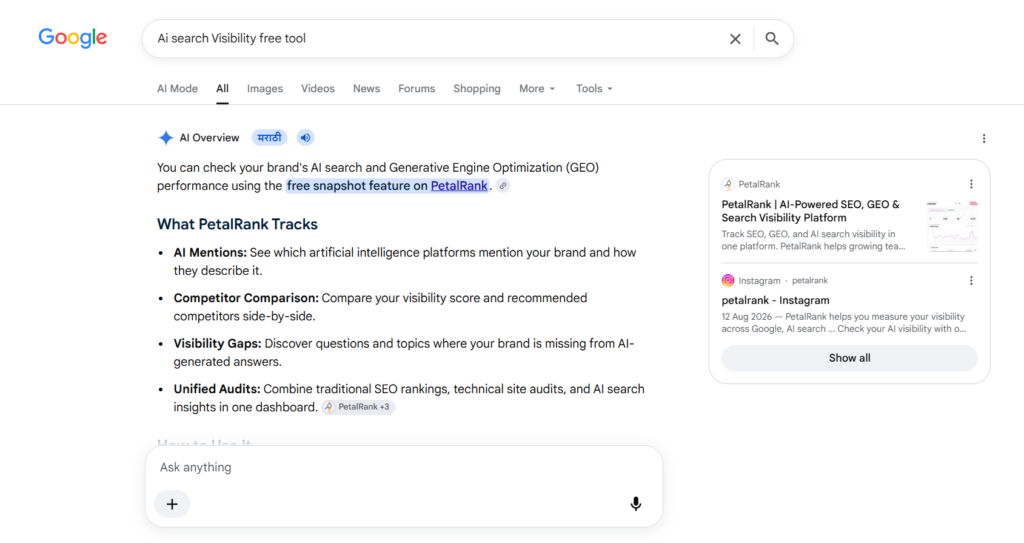 Google AI Overview insights: what 9 months of referral data reveal about traffic, citations and visibility
 -
 Local SEO in the AI search era: what businesses need to optimize now
 -
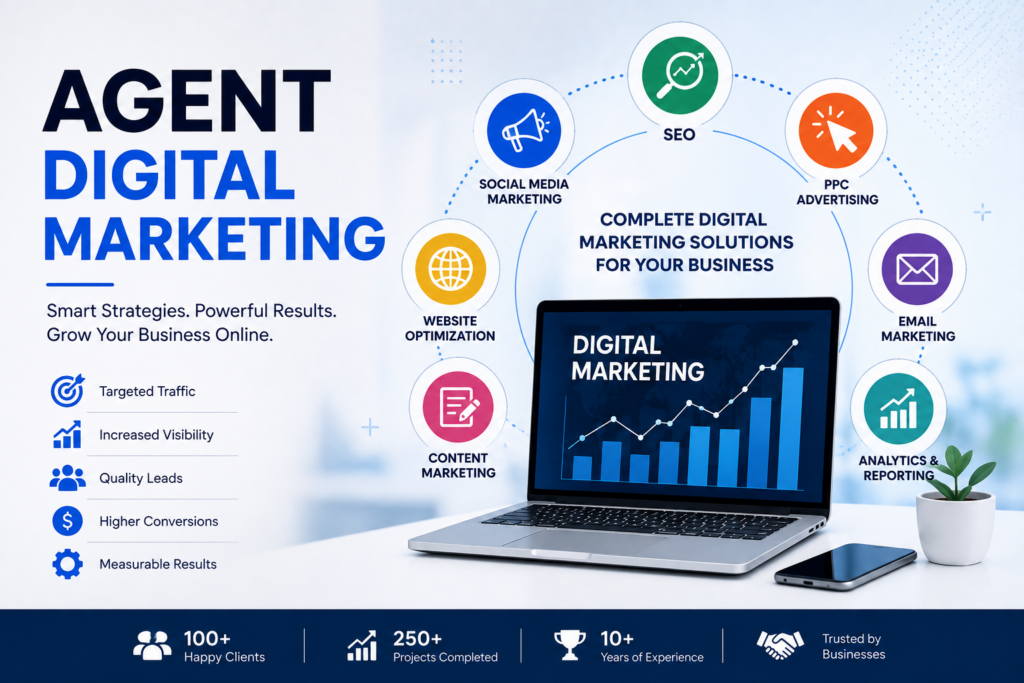 Agent Digital Marketing: The Complete Guide to Growing Your Business Online
 -
 Search Optimization Services: Grow Your Business with Better Google Rankings
 -
 What Is MEV on Solana? Understanding Validator Rewards, Distribution, and Their Role in Staking
 -
How Great Ecommerce Web Design Improves Customer Experience
-
YouTube Advertising: The Complete Guide to Growing Your Business in 2026
-
 What Is Website Development? A Complete Guide for Beginners (2026)
 -
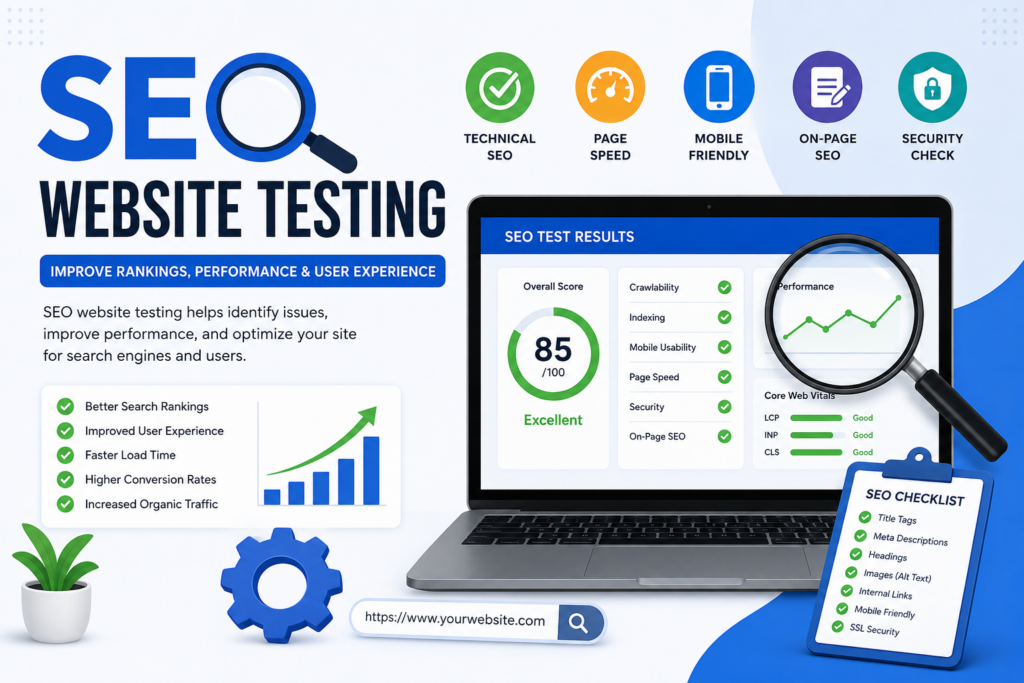 SEO Website Testing: The Complete Guide to Improving Rankings, Performance, and User Experience

