
What Is Demographic Segmentation? A Beginner’s Guide for Marketers

Understanding your audience is the foundation of effective marketing. If you don’t know who you’re speaking to, even the most creative campaigns will struggle to convert.
Demographic segmentation helps marketers divide large audiences into smaller, clearly defined groups based on shared characteristics. By identifying these traits, businesses can create targeted messaging, choose the right channels, and improve overall campaign performance.
In this beginner-friendly guide, we’ll break down what demographic segmentation means, why it matters, the key variables involved, and how to apply it effectively in your marketing strategy.
What Is Demographic Segmentation?
Demographic segmentation is a marketing strategy that categorizes customers based on measurable population characteristics such as age, gender, income, education, occupation, marital status, and family size.
Demographic segmentation is a marketing strategy that categorizes customers based on measurable population characteristics such as age, gender, income, education, occupation, marital status, and family size.
Unlike behavioral or psychographic segmentation, demographic segmentation focuses on factual attributes rather than motivations or actions. It answers a fundamental marketing question:
Who is your customer?
By organizing audiences into demographic segments, businesses can craft more relevant marketing messages and avoid broadcasting generic campaigns to everyone.
Why Is Demographic Segmentation Important?
Marketing without segmentation often leads to wasted budget and low engagement. Demographic segmentation improves effectiveness by making campaigns more relevant.
Here’s why it plays such a critical role:
1. Improves Message Relevance
Different demographic groups respond to different tones, offers, and messaging styles. A campaign aimed at college students should look and feel different from one targeting working professionals.
2. Enhances Budget Efficiency
Targeting the right demographic groups prevents ad spend from being wasted on audiences unlikely to convert.
3. Increases Conversion Rates
When marketing aligns with a segment’s life stage or income level, conversion likelihood increases significantly.
4. Supports Personalization
Modern consumers expect personalized experiences. Demographic insights help brands deliver tailored content across channels.
Modern consumers expect personalized experiences. Demographic insights help brands deliver tailored content across channels.
Key Types of Demographic Segmentation Variables
Marketers typically segment audiences using the following demographic categories:
Marketers typically segment audiences using the following demographic categories:
Age
Age segmentation allows brands to tailor messaging according to life stage. Teenagers, young adults, parents, and retirees often have vastly different priorities and purchasing behaviors.
For example, tech gadgets may appeal to younger audiences, while retirement planning services target older demographics.
Gender
Gender-based segmentation can help refine product positioning and creative direction. However, marketers must avoid outdated assumptions and focus on authentic audience insights.
Gender-based segmentation can help refine product positioning and creative direction. However, marketers must avoid outdated assumptions and focus on authentic audience insights.
Income Level
Income influences purchasing power and price sensitivity. Premium brands often target higher-income segments, while budget-friendly brands focus on affordability and value.
Income influences purchasing power and price sensitivity. Premium brands often target higher-income segments, while budget-friendly brands focus on affordability and value.
Education Level
Education may influence how complex your messaging should be. Some audiences prefer in-depth data and analysis, while others respond better to simplified explanations.
Occupation
Profession plays a significant role in B2B marketing and certain B2C categories. A marketing manager and a software engineer may have very different needs and communication preferences.
Marital Status and Family Structure
Single individuals, married couples, and families with children often prioritize different products and services. Understanding family dynamics helps brands position their offerings more effectively.
Single individuals, married couples, and families with children often prioritize different products and services. Understanding family dynamics helps brands position their offerings more effectively.
Cultural Background and Ethnicity
In diverse markets, cultural awareness is essential. Language preferences, traditions, and cultural values can significantly impact campaign effectiveness.
In diverse markets, cultural awareness is essential. Language preferences, traditions, and cultural values can significantly impact campaign effectiveness.
How to Implement Demographic Segmentation in Your Strategy
Using demographic segmentation effectively requires more than just collecting data. Here’s a practical step-by-step approach:
Using demographic segmentation effectively requires more than just collecting data. Here’s a practical step-by-step approach:
Step 1: Collect Accurate Data
Use CRM systems, analytics tools, customer surveys, and third-party insights to gather reliable demographic information.
Step 2: Identify Patterns
Look for trends within your customer base. Are most buyers in a certain age group? Do they share similar occupations?
Step 3: Define Meaningful Segments
Group customers into segments that are large enough to target but specific enough to personalize.
Step 4: Customize Messaging
Adapt your content, visuals, and offers to align with each demographic group’s preferences and priorities.
Adapt your content, visuals, and offers to align with each demographic group’s preferences and priorities.
Step 5: Choose the Right Channels
Different demographics prefer different platforms. Younger audiences may engage more on social media, while professionals may respond better to email marketing or LinkedIn campaigns.
Different demographics prefer different platforms. Younger audiences may engage more on social media, while professionals may respond better to email marketing or LinkedIn campaigns.
Step 6: Measure and Refine
Track campaign performance by segment and adjust strategies accordingly.
Advantages of Demographic Segmentation
When applied correctly, demographic segmentation provides several benefits:
- Stronger customer targeting
- Higher campaign engagement
- Better ROI on advertising spend
- Clearer audience understanding
- More efficient product positioning
It simplifies marketing decisions and helps businesses allocate resources more strategically.
Limitations of Demographic Segmentation
While powerful, demographic segmentation has limitations.
It Doesn’t Explain Motivation
Knowing someone’s age or income doesn’t tell you why they buy. Combining demographic data with behavioral or psychographic insights provides deeper understanding.
It Can Be Overgeneralized
Not everyone in the same demographic group behaves the same way. Avoid assumptions and validate with data.
Not everyone in the same demographic group behaves the same way. Avoid assumptions and validate with data.
Data Privacy Considerations
Always collect and use demographic data responsibly and comply with relevant privacy regulations.
Always collect and use demographic data responsibly and comply with relevant privacy regulations.
Demographic Segmentation vs Other Segmentation Types
To build a well-rounded marketing strategy, demographic segmentation should be combined with other approaches:
- Behavioral segmentation (based on actions)
- Psychographic segmentation (based on values and lifestyle)
- Geographic segmentation (based on location)
Demographics give you the foundation, while other segmentation types add depth and precision.
Making Demographic Segmentation Work in 2026
Modern marketing tools allow brands to use demographic data dynamically.
Modern marketing tools allow brands to use demographic data dynamically.
With automation and AI-driven platforms, you can:
- Personalize website content by demographic profile
- Serve tailored ads to specific audience segments
- Adjust email campaigns based on customer attributes
- Optimize offers for high-performing demographic groups
The key is not just segmenting — but activating those segments effectively across your marketing ecosystem.
Target Smarter, Not Broader
Demographic segmentation remains one of the most accessible and impactful ways to refine your marketing strategy. It helps you focus on the right audience, craft relevant messaging, and allocate resources wisely.
However, true competitive advantage comes from combining demographic insights with deeper behavioral and psychographic data.
When you understand both who your audience is and how they think, your marketing stops being generic — and starts becoming precise, intentional, and high-performing.
Recent posts
-
 Best AI Tools in 2026: Which Ones Are Actually Worth Using?
 -
 Google AI Overview insights: what 9 months of referral data reveal about traffic, citations and visibility
 -
 Local SEO in the AI search era: what businesses need to optimize now
 -
 Agent Digital Marketing: The Complete Guide to Growing Your Business Online
 -
 Search Optimization Services: Grow Your Business with Better Google Rankings
 -
 What Is MEV on Solana? Understanding Validator Rewards, Distribution, and Their Role in Staking
 -
How Great Ecommerce Web Design Improves Customer Experience
-
YouTube Advertising: The Complete Guide to Growing Your Business in 2026
-
 What Is Website Development? A Complete Guide for Beginners (2026)
 -
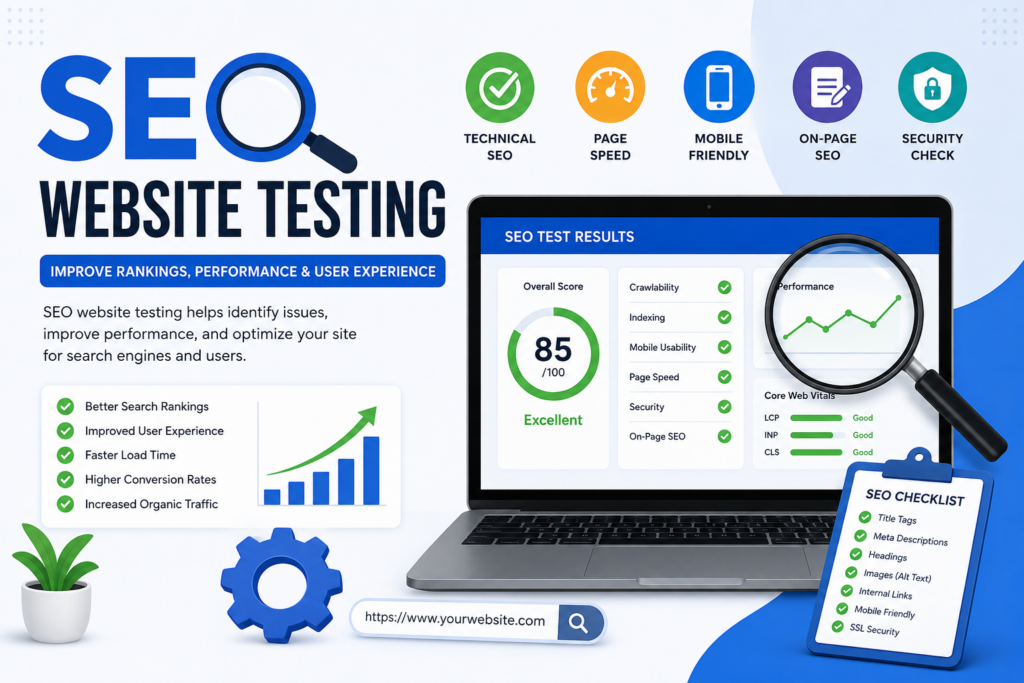 SEO Website Testing: The Complete Guide to Improving Rankings, Performance, and User Experience

