
10 Elements That Shape Powerful Branding
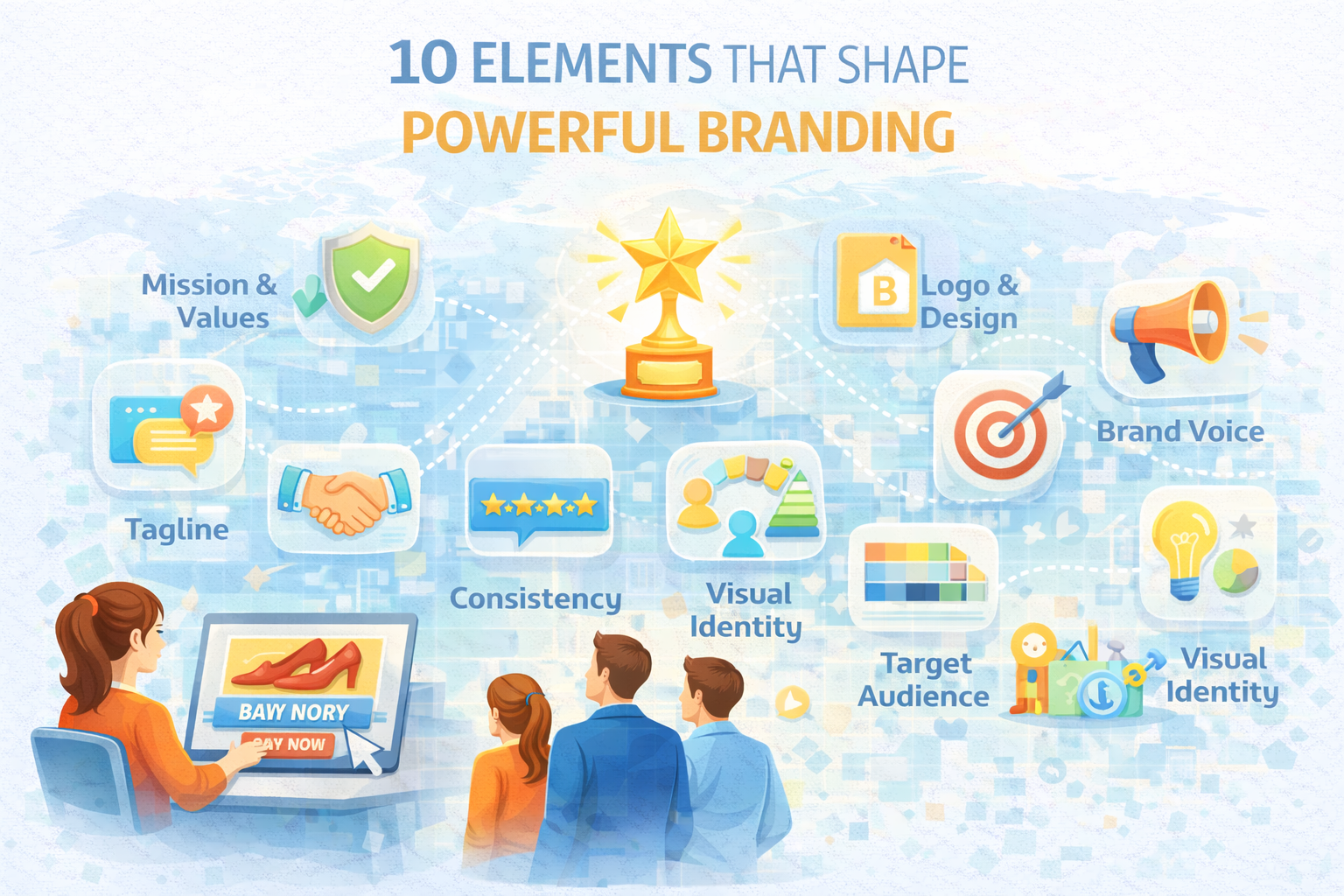
Strong branding isn’t just about a logo or a catchy slogan. It’s the combination of intentional choices that make a brand recognizable, memorable, and meaningful to its audience. In a crowded marketplace where attention is scarce, powerful brands stand out by shaping perceptions, building trust, and fostering long-term loyalty.
Whether you’re launching a new business or refreshing an existing one, understanding the elements that contribute to strong branding helps ensure every touchpoint works toward a unified identity.
In this article, we explore the 10 essential elements that form the backbone of impactful branding — and how each contributes to building connection and value in the minds of customers.
1. A Clear Brand Purpose
A compelling brand starts with a clear why. Your brand purpose answers the question: Why does your brand exist beyond making money? This is different from your mission statement or tagline — it’s the deeper intention that drives decisions, inspires teams, and resonates emotionally with customers.
Brands with a strong purpose give audiences something to believe in. That emotional connection builds relevance, fosters loyalty, and makes the brand more memorable. Without a meaningful purpose, even well-designed brands can feel superficial or transactional.
2. Well-Defined Target Audience
Powerful branding knows exactly who it’s speaking to. Clearly defining your target audience allows you to tailor messaging, tone, and visual language to resonate with the people most likely to engage with your brand.
Audience definition goes beyond generic demographics. It includes psychographics — understanding motivations, pain points, values, and preferences. When your brand speaks directly to the right people, messaging lands harder and engagement rises.
3. Consistent Brand Message
Consistency is one of the hardest, yet most crucial elements of strong branding. Consistent messaging across channels and touchpoints ensures that your audience receives the same core ideas no matter where they encounter your brand.
Consistency builds trust. When customers see a unified voice in your social posts, website content, ad copy, and customer service interactions, it reinforces recognition and clarity. Disjointed messaging, on the other hand, creates confusion and dilutes impact.
4. Distinctive Visual Identity
Visual identity includes your logo, color palette, typography, imagery style, and overall design language. These visual elements help your brand become instantly recognizable.
A distinctive visual identity does more than look good — it communicates values and personality at a glance. Think about brands that stand out on social feeds or in stores; more often than not, their visuals create a memorable brand impression before a single word is read.
5. Authentic Brand Voice
Your brand voice is how your brand sounds in writing — whether friendly, authoritative, playful, or bold. It shapes how audiences perceive your personality.
Your brand voice is how your brand sounds in writing — whether friendly, authoritative, playful, or bold. It shapes how audiences perceive your personality.
Authenticity in brand voice is critical. Customers can sense when a brand is trying too hard or mimicking trends. A voice grounded in your brand’s genuine values fosters deeper connection and reflects integrity.
6. Customer-Centered Experiences
Branding isn’t just about projection — it’s about interaction. Every customer touchpoint — from website navigation to email follow-ups to customer support — contributes to the perception of your brand.
When these experiences are thoughtful and aligned with your brand values, they reinforce trust and satisfaction. Customers remember how a brand made them feel, and positive experiences lead to advocacy and repeat business.
7. Meaningful Brand Storytelling
Stories are powerful. They help brands transcend features and delve into meaning, context, and emotional connection.
Effective storytelling gives context to your brand purpose, showcases your values, and helps audiences relate to what you do. Whether it’s the story of how your brand started, the challenges it solves for customers, or the impact it seeks to make, storytelling creates narrative depth that pure marketing can’t replicate.
8. Competitive Differentiation
A powerful brand doesn’t just exist — it stands apart. Differentiation is about identifying what makes your brand unique and communicating it clearly to your audience.
A powerful brand doesn’t just exist — it stands apart. Differentiation is about identifying what makes your brand unique and communicating it clearly to your audience.
This could be product innovation, ethical commitments, superior customer service, or a unique cultural stance. The key is not only to be different but to be meaningfully different in a way that matters to customers.
9. Adaptability and Evolution
Brands must evolve as markets, technologies, and customer expectations shift. Adaptability doesn’t mean losing identity — it means retaining core values while remaining relevant.
Brands must evolve as markets, technologies, and customer expectations shift. Adaptability doesn’t mean losing identity — it means retaining core values while remaining relevant.
Strong brands change fluidly with context, embracing new mediums, audience behaviors, and cultural dynamics without becoming inconsistent. This evolution keeps the brand fresh, resilient, and forward-looking.
10. Strategic Brand Governance
Powerful branding is intentional. Strategic brand governance is the practice of documenting brand standards, messaging frameworks, style guides, and stakeholder guidelines that keep branding unified and effective over time.
Without governance, brands drift — visuals, messaging, tone, and experiences can become inconsistent. Clear governance ensures that everyone — from marketing teams to external partners — speaks the brand language accurately and confidently.
Bringing It All Together
These 10 elements are not isolated pieces; they function as an interconnected system. Strong branding arises when purpose, audience insight, messaging, visuals, experience, voice, storytelling, differentiation, adaptability, and governance all work together cohesively.
When brands invest in these elements with intention, they build identity with:
✨ Clarity — messaging that resonates
✨ Recognition — visuals that stick
✨ Relevance — experiences that matter
✨ Loyalty — customer relationships that last
✨ Recognition — visuals that stick
✨ Relevance — experiences that matter
✨ Loyalty — customer relationships that last
Branding is not a one-time project — it’s a continuous effort to shape perception, nurture connection, and deliver value.
Final Thoughts: Branding as a Strategic Advantage
In today’s competitive marketplace, strong branding isn’t optional — it’s strategic. It’s the foundation that supports marketing, customer engagement, and long-term business growth.
Whether you’re launching a startup or scaling an established business, focusing on these 10 elements will help you build a brand that doesn’t just exist — it thrives.
Recent posts
-
 Best AI Tools in 2026: Which Ones Are Actually Worth Using?
 -
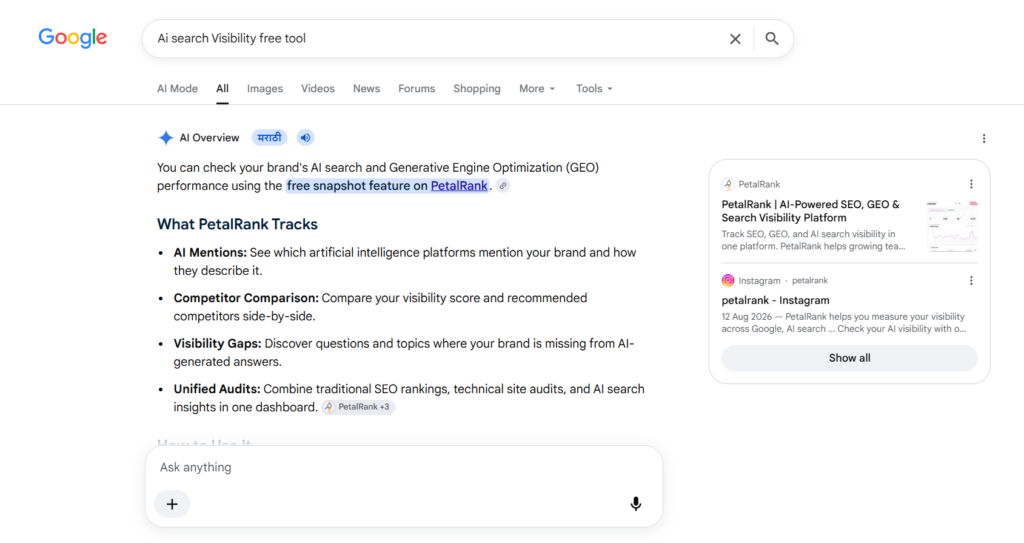 Google AI Overview insights: what 9 months of referral data reveal about traffic, citations and visibility
 -
 Local SEO in the AI search era: what businesses need to optimize now
 -
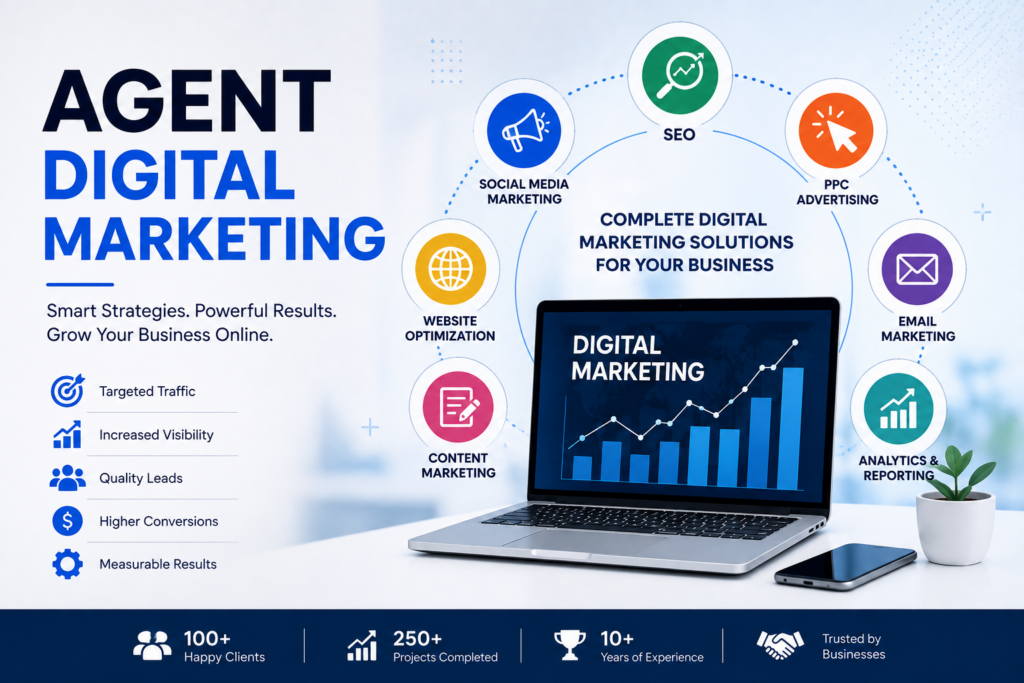 Agent Digital Marketing: The Complete Guide to Growing Your Business Online
 -
 Search Optimization Services: Grow Your Business with Better Google Rankings
 -
 What Is MEV on Solana? Understanding Validator Rewards, Distribution, and Their Role in Staking
 -
How Great Ecommerce Web Design Improves Customer Experience
-
YouTube Advertising: The Complete Guide to Growing Your Business in 2026
-
 What Is Website Development? A Complete Guide for Beginners (2026)
 -
 SEO Website Testing: The Complete Guide to Improving Rankings, Performance, and User Experience

