
What Is Integrated Marketing & Why Does It Matter?
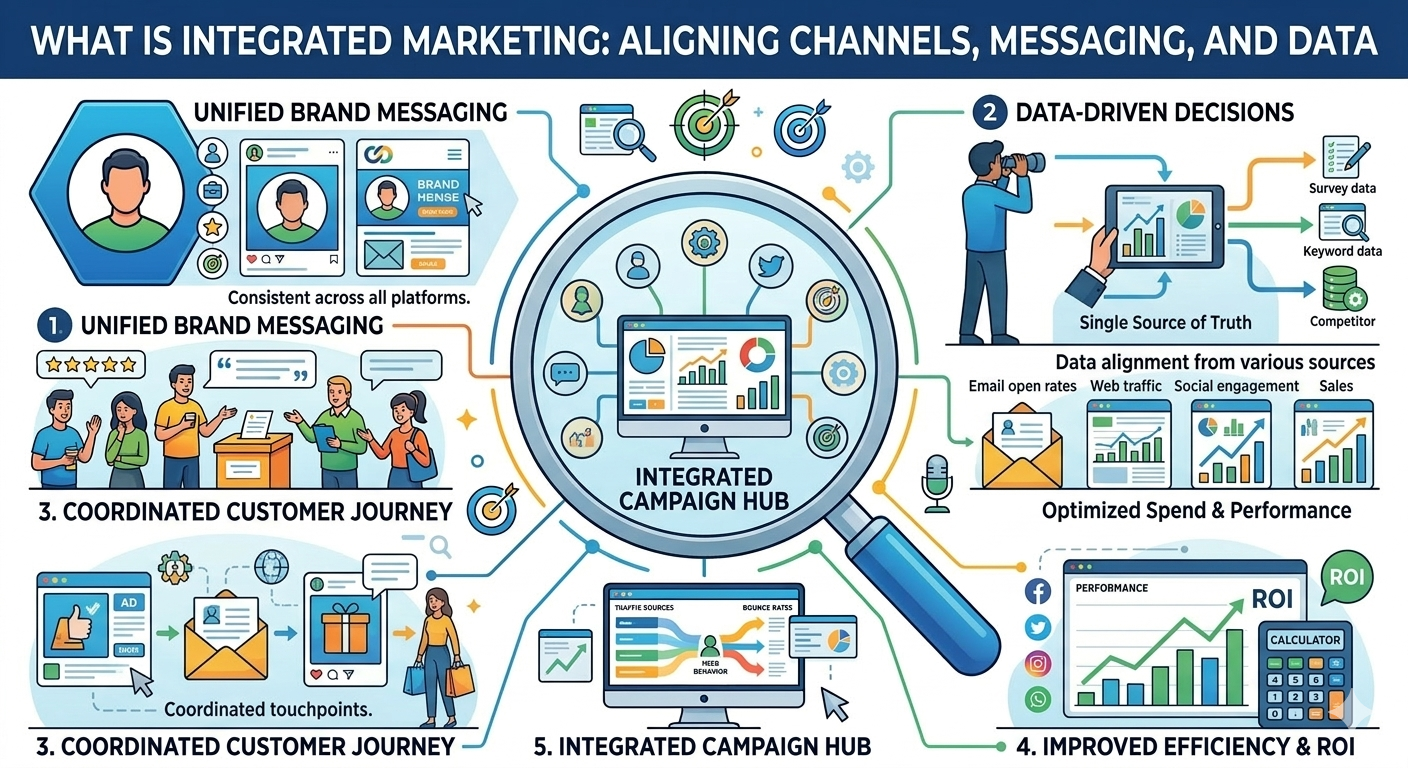
Modern consumers don’t interact with brands through just one channel. They might discover a product through social media, read a blog post later, receive an email, and eventually click on a retargeting ad before making a purchase. If those touchpoints feel disconnected, the brand experience suffers.
Integrated marketing ensures that every channel works together cohesively. Instead of running isolated campaigns, businesses coordinate messaging, strategy, and data across platforms to create a unified experience. This alignment not only strengthens brand perception but also improves efficiency and performance.
Understanding how integrated marketing works — and why it matters — is essential for businesses aiming to grow sustainably in today’s digital environment.
What Is Integrated Marketing?
Integrated marketing is a strategic approach that coordinates multiple marketing channels to deliver a consistent message and unified brand experience. Rather than treating social media, paid ads, content marketing, email campaigns, and offline promotions as separate efforts, integrated marketing aligns them under a shared objective and cohesive narrative.
Integrated marketing is a strategic approach that coordinates multiple marketing channels to deliver a consistent message and unified brand experience. Rather than treating social media, paid ads, content marketing, email campaigns, and offline promotions as separate efforts, integrated marketing aligns them under a shared objective and cohesive narrative.
The focus is not simply on using many channels, but on ensuring those channels reinforce each other. The messaging, tone, visual identity, and value proposition remain consistent wherever a customer encounters the brand.
At its core, integrated marketing connects communication efforts so they function as one coordinated system instead of fragmented campaigns.
How Integrated Marketing Works
Integrated marketing begins with a central strategy. Before launching campaigns, businesses define shared goals, key messages, and performance metrics. These elements guide every channel involved.
For example, a company launching a new product may develop a core campaign message. That message is then reflected across paid social ads, email sequences, website content, search campaigns, and even offline promotions. Each channel contributes to the same objective and reinforces the same positioning.
Equally important is data integration. Insights gathered from one channel inform adjustments in others. If paid ads reveal which messaging resonates most, that insight can refine email subject lines or landing page content. The result is continuous optimization driven by shared intelligence.
Why Integrated Marketing Matters
Integrated marketing matters because consumers expect consistency. When a brand communicates one message in an ad but a different tone on its website, trust weakens. Cohesive messaging builds familiarity and credibility.
From a performance perspective, integration improves efficiency. When channels reinforce each other, campaigns tend to perform better than isolated efforts. Instead of competing internally for budget and attention, each channel amplifies the overall impact.
Integration also improves measurement. When marketing teams track shared goals and analyze performance holistically, they gain a clearer understanding of what drives results across the entire customer journey.
Integrated Marketing vs. Multi-Channel Marketing
It’s important to distinguish integrated marketing from simply using multiple channels. Multi-channel marketing means promoting your brand on various platforms. Integrated marketing ensures those platforms are strategically connected.
It’s important to distinguish integrated marketing from simply using multiple channels. Multi-channel marketing means promoting your brand on various platforms. Integrated marketing ensures those platforms are strategically connected.
In multi-channel strategies, teams may operate independently, creating campaigns that overlap or contradict each other. Integrated marketing, by contrast, unifies planning, messaging, and execution. It transforms multiple channels into a synchronized system.
The difference lies not in the number of platforms used, but in the coordination behind them.
Key Components of an Integrated Marketing Strategy
An effective integrated marketing strategy begins with clearly defined goals. Whether the objective is brand awareness, lead generation, or revenue growth, all channels must align around the same targets.
An effective integrated marketing strategy begins with clearly defined goals. Whether the objective is brand awareness, lead generation, or revenue growth, all channels must align around the same targets.
Consistent messaging is equally essential. Core brand themes, tone of voice, and visual identity should remain cohesive across campaigns. While formats may differ between platforms, the central narrative should remain intact.
Cross-functional collaboration is another critical component. Marketing, sales, content, and advertising teams must coordinate their efforts and share insights regularly. Without alignment between teams, integration becomes difficult to maintain.
Finally, data centralization plays a crucial role. Using tools that consolidate campaign performance enables teams to evaluate results collectively and refine strategy accordingly.
Benefits of Integrated Marketing
Integrated marketing strengthens brand recognition by ensuring audiences encounter consistent messaging across touchpoints. Repetition across channels reinforces memory and builds trust.
It also improves resource efficiency. Rather than duplicating efforts or running conflicting campaigns, businesses can streamline creative production and focus on high-impact initiatives.
Customer experience improves as well. When messaging feels connected from first interaction to final conversion, the buyer journey becomes smoother and more persuasive.
Most importantly, integrated marketing tends to generate stronger overall performance because channels support one another instead of functioning independently.
Common Challenges in Integrated Marketing
Despite its advantages, integrated marketing requires coordination that can be challenging to maintain. Organizational silos often prevent teams from sharing insights or aligning priorities.
Despite its advantages, integrated marketing requires coordination that can be challenging to maintain. Organizational silos often prevent teams from sharing insights or aligning priorities.
Inconsistent data systems may also limit visibility into cross-channel performance. Without centralized reporting, it becomes difficult to measure the true impact of integration.
Planning complexity increases as more channels are involved. Maintaining alignment demands clear leadership, structured communication, and disciplined execution.
However, with defined processes and collaboration tools, these obstacles can be overcome.
Examples of Integrated Marketing in Action
Consider a seasonal campaign promoting a limited-time offer. An integrated approach would ensure that the same messaging appears in social media ads, email campaigns, website banners, and retargeting ads. The creative theme and offer remain consistent across platforms, reinforcing urgency and increasing conversion likelihood.
In another example, a B2B company launching a webinar might promote it through LinkedIn ads, blog content, email invitations, and remarketing campaigns. Each channel directs traffic to the same registration page while supporting the same value proposition.
In both cases, integration amplifies reach and impact by aligning all marketing activities.
Measuring Integrated Marketing Success
Evaluating integrated marketing requires a holistic perspective. Instead of assessing each channel in isolation, performance should be measured through shared KPIs such as customer acquisition cost, revenue growth, and conversion rates.
Evaluating integrated marketing requires a holistic perspective. Instead of assessing each channel in isolation, performance should be measured through shared KPIs such as customer acquisition cost, revenue growth, and conversion rates.
Multi-touch attribution models provide better insight into how channels contribute collectively. This approach recognizes that customers often engage with multiple touchpoints before converting.
Regular performance reviews allow teams to identify which channels are driving synergy and which require adjustment. Continuous optimization strengthens integration over time.
The Strategic Value of Integration
Integrated marketing is more than coordination; it is a strategic advantage. In a fragmented media landscape, consistency differentiates strong brands from forgettable ones.
When every campaign element aligns around a unified message and shared objectives, marketing becomes more coherent, measurable, and impactful. Instead of scattered efforts competing for attention, integrated marketing builds momentum across channels.
For businesses aiming to maximize efficiency and strengthen brand presence, integration is not optional — it is essential.
Recent posts
-
 Google AI Overview insights: what 9 months of referral data reveal about traffic, citations and visibility
 -
 Local SEO in the AI search era: what businesses need to optimize now
 -
 Agent Digital Marketing: The Complete Guide to Growing Your Business Online
 -
 Search Optimization Services: Grow Your Business with Better Google Rankings
 -
 What Is MEV on Solana? Understanding Validator Rewards, Distribution, and Their Role in Staking
 -
How Great Ecommerce Web Design Improves Customer Experience
-
YouTube Advertising: The Complete Guide to Growing Your Business in 2026
-
 What Is Website Development? A Complete Guide for Beginners (2026)
 -
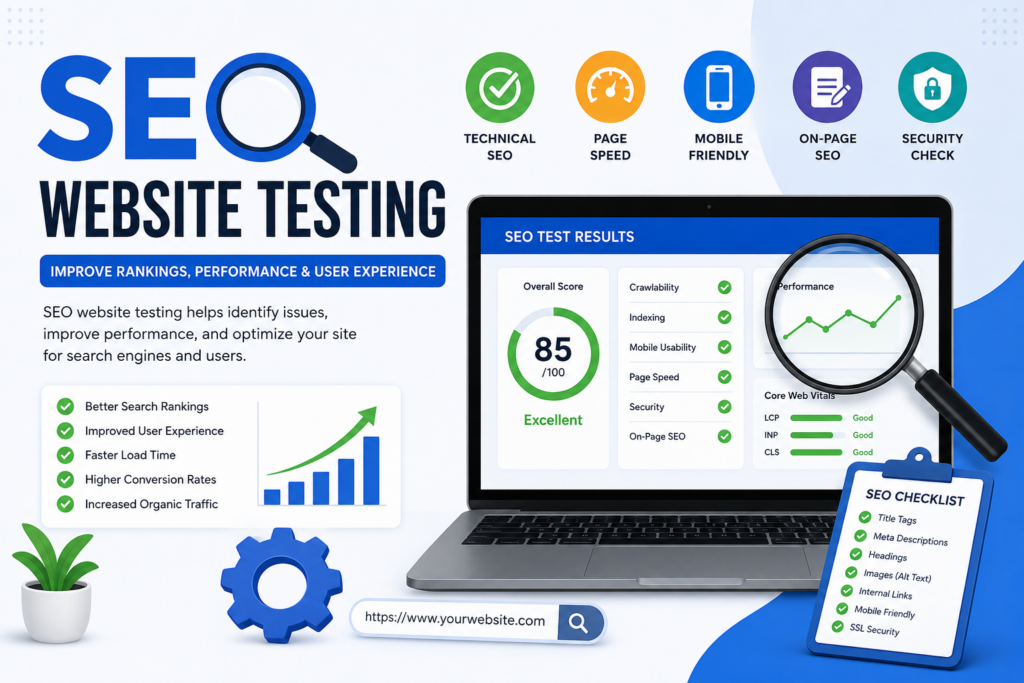 SEO Website Testing: The Complete Guide to Improving Rankings, Performance, and User Experience
 -
 SEO Mean: What SEO Means and Why It Matters in 2026

