
Digital Advertising: Where We Stand Today
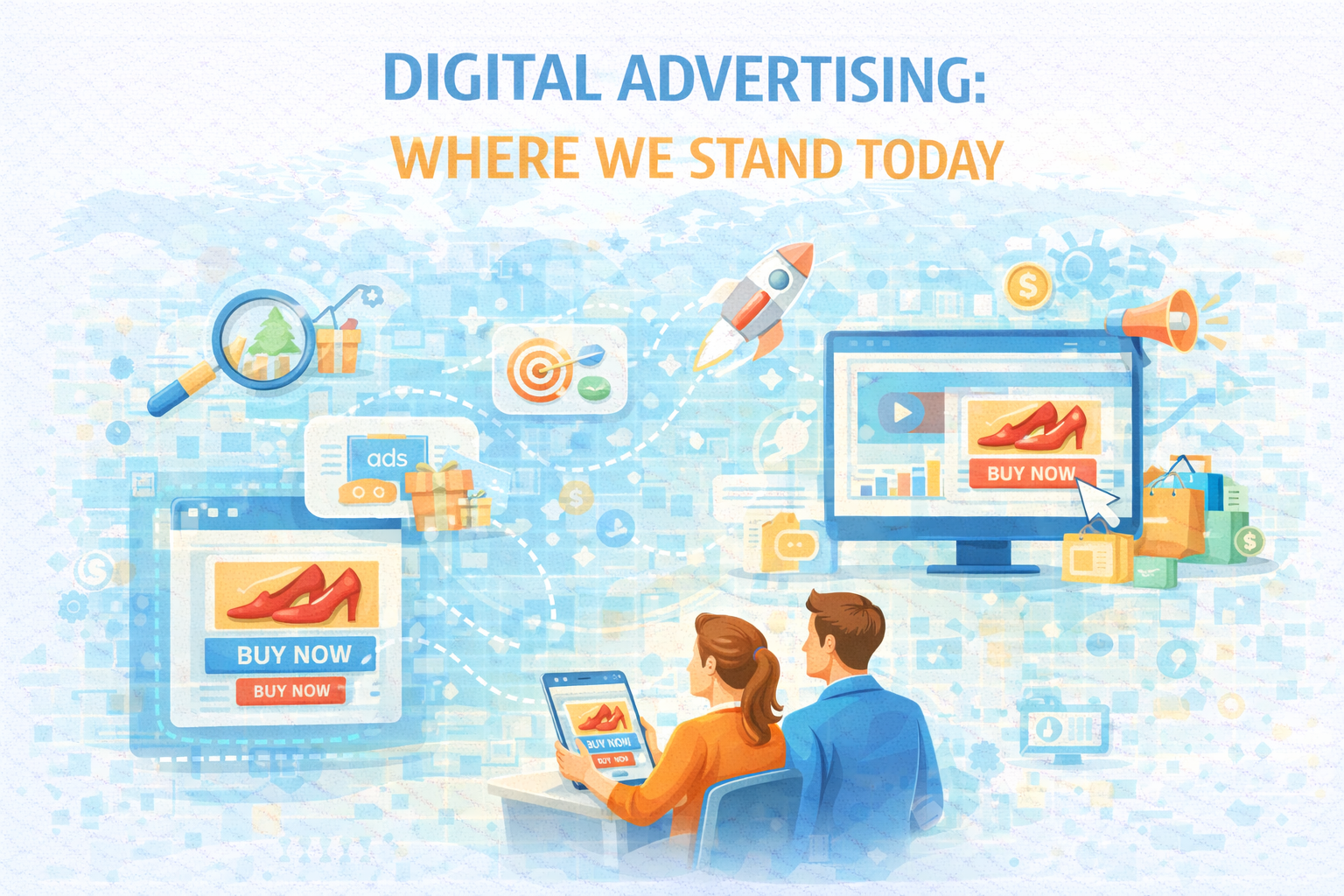
Digital advertising has become a cornerstone of modern business strategy. With consumers spending more time online than ever before — browsing social media, watching video content, exploring ecommerce sites, and interacting with personalized experiences — brands have shifted substantial portions of their marketing budgets toward digital channels.
But the landscape is not static. Technology evolves rapidly, consumer behaviors shift, and platform dynamics continue to change. To succeed in today’s market, marketers need a clear understanding of where digital advertising stands now — what’s working, what’s changing, and how to prepare for what comes next.
In this report-style overview, we’ll explore the current state of digital advertising and the trends shaping its future.
The Current Landscape of Digital Advertising
Digital advertising today is vast and diversified. Unlike a decade ago, marketing budgets no longer revolve solely around search and display ads. Brands are investing across a wide range of channels — social media, video platforms, connected TV, programmatic display, audio ads, influencer placements, and more.
Platforms like Facebook and Google still hold significant share, but channels such as TikTok, Pinterest, and LinkedIn have carved out meaningful niches due to their unique user behaviors and targeting capabilities. Ecommerce, mobile usage, and attention to privacy regulations heavily influence how campaigns are designed and delivered.
Overall, digital advertising is no longer about presence — it’s about precision, agility, and relevance.
Key Trends Shaping Digital Advertising
1. Rise of Short-Form Video Content
Short-form video continues to dominate engagement metrics across platforms. TikTok pioneered this format, but Instagram Reels, YouTube Shorts, and even LinkedIn video feeds are now emphasizing quick, mobile-friendly clips.
Advertisers that leverage short, snackable video content often see higher engagement compared to static images or long text posts. This trend reflects a broader shift toward visually immersive experiences.
2. Data Privacy and Targeting Shifts
With increasing privacy regulations (such as GDPR and CCPA) and changes in platform tracking (e.g., depreciation of third-party cookies), advertisers are adapting to a new targeting paradigm. First-party data — collected directly from customer interactions — has become more valuable than ever.
Marketers are investing in customer data platforms (CDPs), consent-driven data collection, and context-based targeting to maintain relevance while respecting consumer privacy.
3. Programmatic Advertising Evolution
Programmatic ad buying — the automated purchase of ad inventory through real-time bidding — continues to grow. However, its complexity has increased with advanced auction dynamics, AI optimization, and cross-device tracking improvements.
Advertisers who master programmatic workflows often achieve better efficiency across display, video, and native placements.
4. Cross-Channel Attribution Becomes Critical
Understanding how different channels contribute to conversions is now a top priority. Multi-touch attribution models provide deeper insights into the full customer journey — from first exposure to final action — enabling smarter budget allocation and performance optimization.
Channel Performance Insights
Search Advertising
Search remains a reliable revenue driver for many brands. When users actively seek information, solutions, or products, search ads capture high-intent demand with strong conversion potential. The key challenge is rising cost per click (CPC) in competitive categories, which requires optimized keyword strategies and quality scores.
Social Media Advertising
Social platforms are where users spend significant time — and therefore, where brands find ample opportunity to build awareness and engagement. Facebook and Instagram continue to lead for performance advertising, while TikTok and Pinterest deliver unique creative formats and discovery-driven engagement.
Social ads often perform best when they combine visually appealing creative with story-driven messaging that aligns with platform culture.
Connected TV (CTV) and Video
Connected TV advertising is one of the fastest-growing segments, bridging the gap between traditional broadcast and digital media. For many brands, CTV offers premium inventory and engaging formats that reach viewers in relaxed, attention-rich environments.
Video advertising overall — whether long-form or short-form — will continue to expand as streaming and on-demand consumption grows.
Consumer Behavior and Expectations
Today’s consumers have higher expectations than ever. They want:
- Personalized experiences
- Seamless cross-device journeys
- Relevant messages rather than generic ads
- Fast, intuitive commerce experiences
Consumers also exhibit less tolerance for intrusive or irrelevant advertising. Brands that invest in understanding user intent and tailoring experiences accordingly see better engagement and performance.
Furthermore, mobile usage has surpassed desktop in most categories, making mobile-first creative, optimized landing pages, and quick load times essential for success.
Challenges Facing Digital Advertising
While digital advertising offers enormous potential, it also comes with challenges that marketers must navigate:
Privacy-Driven Data Limitations
New privacy norms require advertisers to rethink traditional retargeting and tracking methods. Collecting consent and building first-party data are now strategic imperatives.
Rising Cost of Acquisition
As competition increases across channels, cost per click, cost per acquisition, and cost per impression are trending upward in many verticals. Efficient optimization and creative differentiation are key to maintaining profitable performance.
Fragmentation Across Channels
With so many platforms and formats available, marketers must balance consistency with channel-specific strategies. A fragmented ecosystem requires clear planning and smart resource allocation.
What This Means for Marketers Today
In a shifting landscape, marketers need to adopt strategies that are:
- Data-informed
- Privacy-aware
- Creative-driven
- Agile and test-oriented
Integrating data from multiple touchpoints, prioritizing personalized experiences, and maintaining flexibility in budget allocation will help brands stay competitive and adaptive.
Looking Ahead: Predictions for the Future
AI Will Drive Deeper Personalization
Artificial intelligence and machine learning will continue to expand personalization capabilities — enabling real-time optimization, predictive targeting, and automated creative iterations that improve engagement.
Omnichannel Experiences Will Rule
Customers will continue to travel across devices and platforms during their journey. Brands that deliver seamless, connected experiences — from search to social to CTV — will stay ahead.
Privacy-First Innovation Will Continue
As consumer expectations around privacy strengthen, brands that build trust through transparent data practices will be better positioned for long-term loyalty.
Conclusion: Navigating the Modern Digital Advertising Landscape
Digital advertising today is dynamic, fast-evolving, and full of opportunity. As channels expand and consumer behaviors shift, marketers who stay informed, agile, and strategic will lead the way.
Understanding where digital advertising stands today — including channel performance, consumer expectations, and technological advancements — equips brands to make smarter decisions and grow more effectively.
Whether you’re fine-tuning an existing strategy or planning your next campaign, the key lies in blending data insights with creative excellence and adaptability.
Digital advertising is not just about reaching audiences — it’s about resonating with them in meaningful, measurable ways.
Recent posts
-
 Best AI Tools in 2026: Which Ones Are Actually Worth Using?
 -
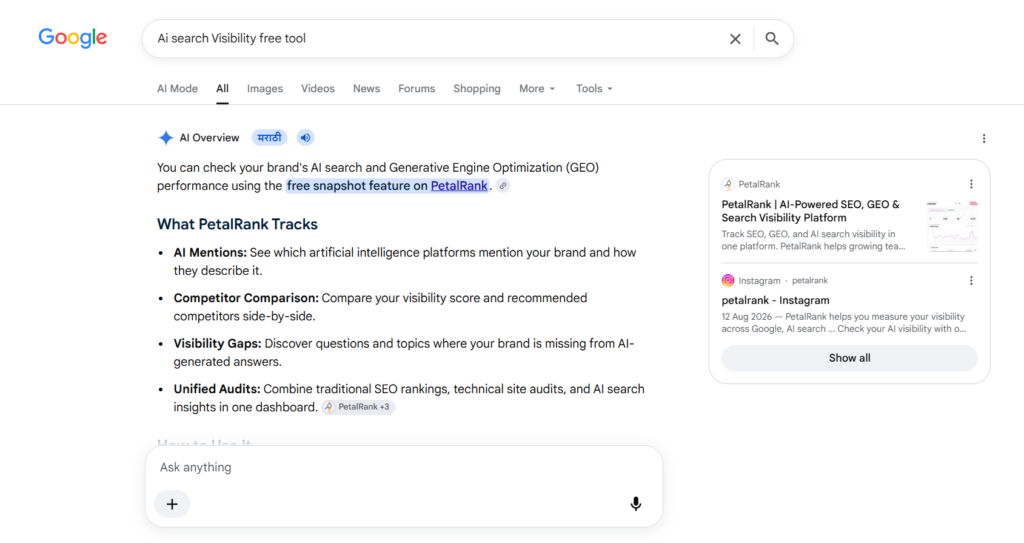 Google AI Overview insights: what 9 months of referral data reveal about traffic, citations and visibility
 -
 Local SEO in the AI search era: what businesses need to optimize now
 -
 Agent Digital Marketing: The Complete Guide to Growing Your Business Online
 -
 Search Optimization Services: Grow Your Business with Better Google Rankings
 -
 What Is MEV on Solana? Understanding Validator Rewards, Distribution, and Their Role in Staking
 -
How Great Ecommerce Web Design Improves Customer Experience
-
YouTube Advertising: The Complete Guide to Growing Your Business in 2026
-
 What Is Website Development? A Complete Guide for Beginners (2026)
 -
 SEO Website Testing: The Complete Guide to Improving Rankings, Performance, and User Experience

