
How Retargeting Display Ads Boost Conversions
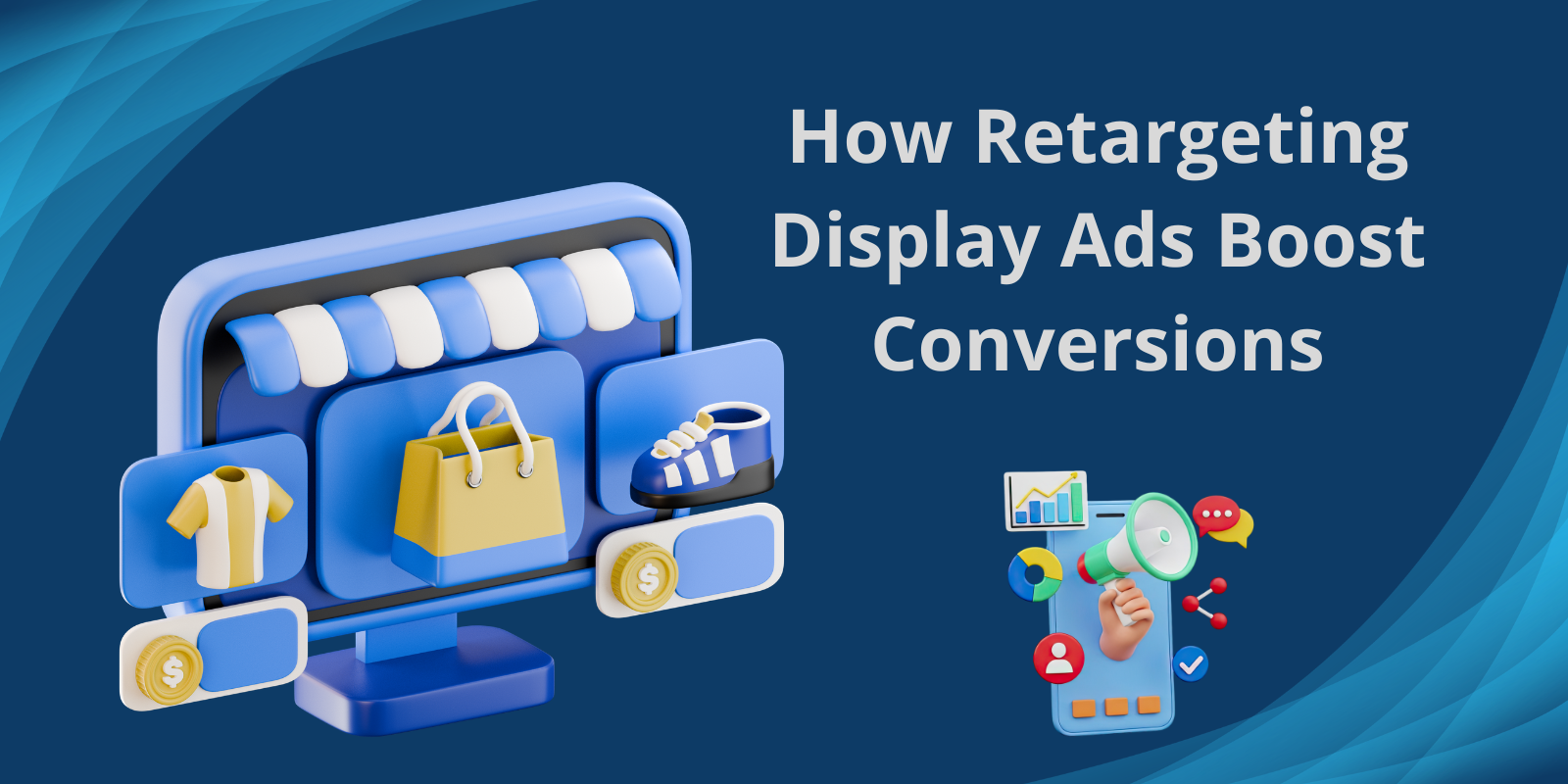
In digital marketing, most users don’t convert the first time they interact with a brand. A visitor may browse a product page, read a blog article, or explore pricing information, but leave without taking action. That’s where retargeting display ads become powerful.
Retargeting allows businesses to reconnect with users who have already interacted with their website or digital content. By showing relevant display ads across websites, apps, and online platforms, brands can remind potential customers about products or services they previously considered.
When implemented effectively, retargeting display ads help increase engagement, strengthen brand recall, and significantly improve conversion rates.
What Are Retargeting Display Ads?
Retargeting display ads are digital advertisements shown to users who have previously visited a website, interacted with an app, or engaged with online content from a brand. These ads appear across various websites within ad networks, reminding users about products or services they viewed earlier.
Unlike traditional display advertising that targets broad audiences, retargeting focuses on people who already demonstrated interest. Because these users are familiar with the brand, they are more likely to respond to the message and complete a desired action.
Retargeting therefore helps businesses stay visible to potential customers throughout their decision-making process.
Why Retargeting Matters in Digital Advertising
In many industries, consumers take time to research options before making a purchase. They compare products, evaluate pricing, and consider alternatives. During this process, they may visit multiple websites and delay their final decision.
In many industries, consumers take time to research options before making a purchase. They compare products, evaluate pricing, and consider alternatives. During this process, they may visit multiple websites and delay their final decision.
Retargeting ensures that a brand remains present during this evaluation phase. By consistently reminding users about relevant products or services, retargeting campaigns encourage them to return and complete their purchase.
This ongoing exposure increases the likelihood that potential customers will choose the brand they recognize and remember.
How Retargeting Display Ads Work
Retargeting campaigns rely on tracking technologies—often called pixels or tags—that collect data about user interactions on a website.
Here’s how the process generally works:
- A visitor lands on a website and browses specific pages or products.
- A tracking pixel records that interaction and adds the user to a retargeting audience.
- When the user visits other websites or apps within the advertising network, display ads appear promoting the same product or brand.
- The ads encourage the user to return to the website and complete an action such as making a purchase or signing up.
Because these ads are shown only to users who previously engaged with the brand, they tend to generate higher click-through and conversion rates than general display advertising.
Key Benefits of Retargeting Display Ads
Retargeting display ads offer several advantages for businesses seeking to improve digital marketing performance.
Retargeting display ads offer several advantages for businesses seeking to improve digital marketing performance.
Increased Brand Recall
Repeated exposure helps audiences remember a brand more easily. When users encounter display ads while browsing other websites, the brand remains top-of-mind throughout their decision process.
Repeated exposure helps audiences remember a brand more easily. When users encounter display ads while browsing other websites, the brand remains top-of-mind throughout their decision process.
Higher Conversion Potential
Since retargeting focuses on users who already expressed interest, these audiences are more likely to convert compared to completely new prospects.
Since retargeting focuses on users who already expressed interest, these audiences are more likely to convert compared to completely new prospects.
Personalized Advertising
Retargeting campaigns can deliver ads tailored to specific user behaviors, such as the exact products viewed on a website. Personalized ads often drive stronger engagement.
Efficient Use of Advertising Budget
Because retargeting targets warm audiences rather than broad audiences, advertising budgets are spent more efficiently, often resulting in better return on ad spend.
Types of Retargeting Display Ads
Marketers often use different retargeting approaches depending on campaign objectives and customer behavior.
Site Retargeting
This is the most common form of retargeting. Ads are shown to users who visited a website but left without completing a desired action.
Product Retargeting
Product retargeting focuses on users who viewed specific products or categories. Ads dynamically display those items to encourage users to return and complete their purchase.
Search Retargeting
Search retargeting targets users based on keywords they searched for online. Even if they haven’t visited a brand’s website yet, advertisers can reach users who have shown relevant intent.
Engagement Retargeting
This method targets users who interacted with brand content—such as watching a video or engaging with social media posts—but haven’t yet visited the website.
Best Practices for Retargeting Display Campaigns
To maximize the impact of retargeting campaigns, marketers should follow several key best practices.
Segment Audiences Carefully
Different users interact with websites in different ways. Segmenting audiences based on behavior—such as product views, cart abandonment, or content engagement—allows marketers to deliver more relevant ads.
Different users interact with websites in different ways. Segmenting audiences based on behavior—such as product views, cart abandonment, or content engagement—allows marketers to deliver more relevant ads.
Use Dynamic Ad Creatives
Dynamic display ads automatically adjust their content based on user behavior. For example, they can show the exact products that a user previously viewed.
Dynamic display ads automatically adjust their content based on user behavior. For example, they can show the exact products that a user previously viewed.
This personalization increases the likelihood that users will re-engage with the brand.
Set Frequency Limits
Showing the same ad too frequently can annoy users and reduce campaign effectiveness. Implementing frequency caps ensures that ads remain visible without becoming intrusive.
Showing the same ad too frequently can annoy users and reduce campaign effectiveness. Implementing frequency caps ensures that ads remain visible without becoming intrusive.
Align Ads with Landing Pages
The message presented in a retargeting ad should match the experience on the landing page. Consistency between ad content and landing pages helps build trust and improves conversion rates.
The message presented in a retargeting ad should match the experience on the landing page. Consistency between ad content and landing pages helps build trust and improves conversion rates.
Continuously Test Campaign Elements
Testing different ad creatives, messages, and targeting strategies helps marketers identify which combinations produce the best results.
Regular testing ensures campaigns remain optimized over time.
Measuring the Success of Retargeting Campaigns
To determine whether retargeting campaigns are delivering strong results, marketers should monitor key performance metrics such as:
- Click-through rate (CTR)
- Conversion rate
- Cost per acquisition (CPA)
- Return on ad spend (ROAS)
- Engagement rates
These metrics provide insights into how effectively retargeting ads are influencing customer behavior and driving conversions.
Final Thoughts
Retargeting display ads play a critical role in modern digital marketing strategies. By reconnecting with users who have already shown interest in a brand, retargeting campaigns help businesses stay relevant during the decision-making process.
When combined with strong audience segmentation, personalized messaging, and continuous optimization, retargeting display ads can significantly increase engagement and conversions.
For brands seeking to improve their marketing efficiency and drive better results from digital advertising, retargeting remains one of the most effective tools available.
Recent posts
-
 Best AI Tools in 2026: Which Ones Are Actually Worth Using?
 -
 Google AI Overview insights: what 9 months of referral data reveal about traffic, citations and visibility
 -
 Local SEO in the AI search era: what businesses need to optimize now
 -
 Agent Digital Marketing: The Complete Guide to Growing Your Business Online
 -
 Search Optimization Services: Grow Your Business with Better Google Rankings
 -
 What Is MEV on Solana? Understanding Validator Rewards, Distribution, and Their Role in Staking
 -
How Great Ecommerce Web Design Improves Customer Experience
-
YouTube Advertising: The Complete Guide to Growing Your Business in 2026
-
 What Is Website Development? A Complete Guide for Beginners (2026)
 -
 SEO Website Testing: The Complete Guide to Improving Rankings, Performance, and User Experience

