
Brand Equity Strategies for Business Growth
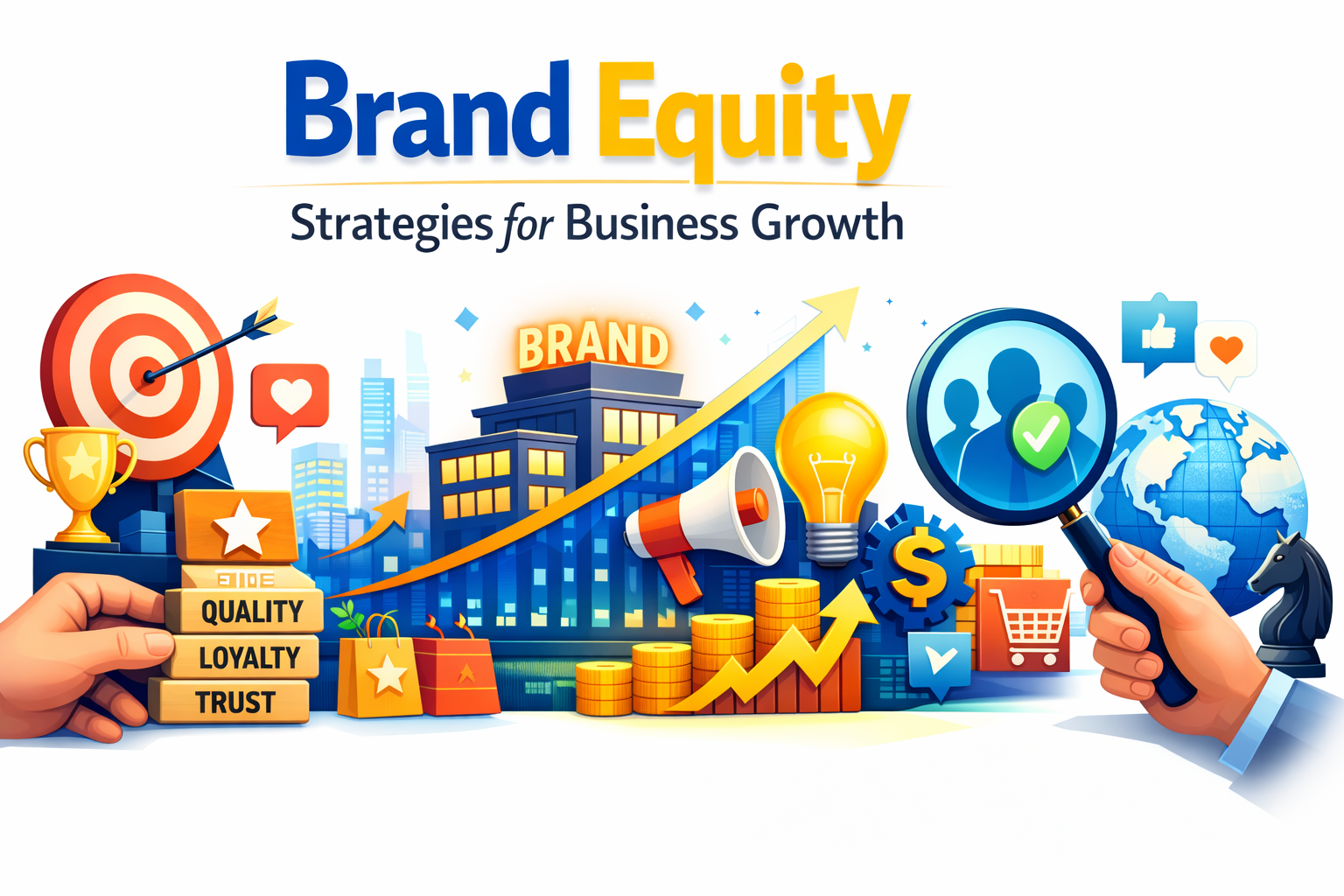
Brand equity is one of the most valuable assets a business can build — because it represents the perceived value customers associate with your brand. Strong brand equity helps businesses win customer trust, command premium pricing, increase loyalty, and amplify word-of-mouth referrals.
But brand equity doesn’t happen by accident. It’s the result of deliberate strategy, consistent execution, and meaningful connection with your audience.
In this guide, we’ll explore what brand equity really means, why it matters to business growth, and the key strategies that help brands strengthen their equity over time — with actionable insight you can use now.
What Brand Equity Actually Means
Brand equity refers to the collective perceptions, emotions, and beliefs that people associate with your brand. It’s not just about awareness — it’s about value.
Brand equity refers to the collective perceptions, emotions, and beliefs that people associate with your brand. It’s not just about awareness — it’s about value.
When a brand has strong equity, customers choose it even when cheaper alternatives exist. They feel confident in its quality, trust its messaging, and often become repeat buyers or advocates.
Brand equity stretches beyond logos and taglines; it’s woven into customer experience, reputation, product quality, emotional resonance, and the way people talk about your brand.
Why Brand Equity Matters for Growth
Brand equity fuels business growth in multiple ways. Brands with strong equity typically see:
- Higher customer loyalty: People stick with brands they trust, even when competitors try to lure them away.
- Better pricing power: Customers pay a premium for brands they perceive as valuable.
- Greater word-of-mouth: Strong brand equity increases referrals and organic mentions.
- Improved marketing efficiency: Familiar brands often see higher campaign engagement and lower cost per acquisition.
- Resilience in downturns: Brands with strong equity navigate market volatility better because of established trust.
In short, brand equity affects your bottom line — not just your perception.
1. Define a Clear Brand Purpose
A compelling brand purpose goes beyond selling products; it connects with why your business exists and the impact it seeks to make in the world.
A compelling brand purpose goes beyond selling products; it connects with why your business exists and the impact it seeks to make in the world.
Customers today — especially younger generations — want to support brands with principles that align with their values. A clear brand purpose gives your audience something deeper to connect with, and it becomes the backbone of consistent messaging and storytelling.
When your purpose is authentic, it gives meaning to every campaign, product release, and customer interaction.
2. Create Consistent Brand Messaging
Consistency builds familiarity, and familiarity breeds trust. When your brand communicates a unified message across all touchpoints — whether social, email, ads, packaging, or customer service — audiences begin to recognize and rely on that message.
Consistency builds familiarity, and familiarity breeds trust. When your brand communicates a unified message across all touchpoints — whether social, email, ads, packaging, or customer service — audiences begin to recognize and rely on that message.
Consistency doesn’t mean repetition, it means clarity — ensuring your value proposition, tone, and personality feel recognizable everywhere.
3. Focus on Customer Experience
Brand equity is deeply rooted in experience. Every interaction a customer has with your business — from website navigation to customer support — influences how they feel about your brand.
Brand equity is deeply rooted in experience. Every interaction a customer has with your business — from website navigation to customer support — influences how they feel about your brand.
Delightful, frictionless experiences strengthen positive perception. Negative or inconsistent experiences, on the other hand, chip away at trust and weaken your equity.
Prioritize customer experience as much as product quality — because people remember how you made them feel.
4. Deliver Real Value Through Content
Content is a powerful tool for shaping perception, building trust, and showcasing brand expertise.
Content is a powerful tool for shaping perception, building trust, and showcasing brand expertise.
Effective brand content educates, entertains, or inspires — rather than just selling. It helps audiences understand your values, your point of view, and how you solve real problems.
Content that resonates builds deeper connections, increasing the likelihood that audiences will choose your brand first when they’re ready to buy.
5. Leverage Social Proof and Advocacy
Customer reviews, testimonials, user-generated content, and influencer partnerships are all forms of social proof — and they shape perceptions more effectively than isolated brand claims.
When people see real customers advocating for your brand, your credibility increases. Reviews and recommendations give potential customers confidence that your brand delivers on its promise.
6. Build Emotional Connection
Logic gets customers to the door; emotions get them to stay and come back. Emotional branding focuses on how your audience feels about your brand — not just what your product does.
Logic gets customers to the door; emotions get them to stay and come back. Emotional branding focuses on how your audience feels about your brand — not just what your product does.
Whether through storytelling, community building, or values alignment, emotional connection makes your brand memorable and meaningful. Brands that evoke positive emotions often enjoy stronger loyalty.
7. Invest in Brand Awareness
Brand equity cannot grow if people don’t know who you are. Strategic investment in brand awareness — whether through paid media, content amplification, PR, or partnerships — increases visibility and familiarity.
The more audiences recognize your brand, the easier it becomes to build preference. Awareness is the first step in every conversion funnel, and systematic awareness campaigns strengthen equity over time.
8. Align Internal Culture with Brand Values
Brand equity starts from within. When your employees understand and embody your brand values, it translates into authentic customer experiences.
Internal brand alignment fosters consistency, improves morale, and ensures that every customer touchpoint reflects the brand’s promises.
When teams live your brand values authentically, customers sense it — and your equity increases.
Measuring Brand Equity: What to Track
Brand equity isn’t intangible — it can be measured through indicators such as:
Brand equity isn’t intangible — it can be measured through indicators such as:
- Brand awareness and recall
- Net promoter score (NPS)
- Customer loyalty and repeat purchase rate
- Share of voice vs competitors
- Brand sentiment on social channels
- Perceived quality ratings
Tracking these metrics regularly helps you understand where your brand stands and how your equity evolves over time.
Common Brand Equity Mistakes to Avoid
Even well-intentioned brands can weaken their equity by:
- Ignoring customer feedback
- Inconsistent messaging across channels
- Focusing solely on sales over experience
- Responding slowly to market shifts
- Ignoring emotional connection in favor of logic only
Avoiding these pitfalls ensures your brand equity continues to strengthen rather than degrade.
Final Thoughts: Brand Equity as a Growth Engine
Brand equity isn’t a marketing metric — it’s a strategic asset that powers business growth. By intentionally shaping perceptions, building meaningful connections, and delivering consistent experiences, brands can cultivate stronger equity that drives market advantage.
When brand equity is strong, marketing becomes more effective, customers become more loyal, and your business becomes more resilient.
If your goal is long-term growth — not just short-term wins — investing in brand equity isn’t an option — it’s essential.
Recent posts
-
 Best AI Tools in 2026: Which Ones Are Actually Worth Using?
 -
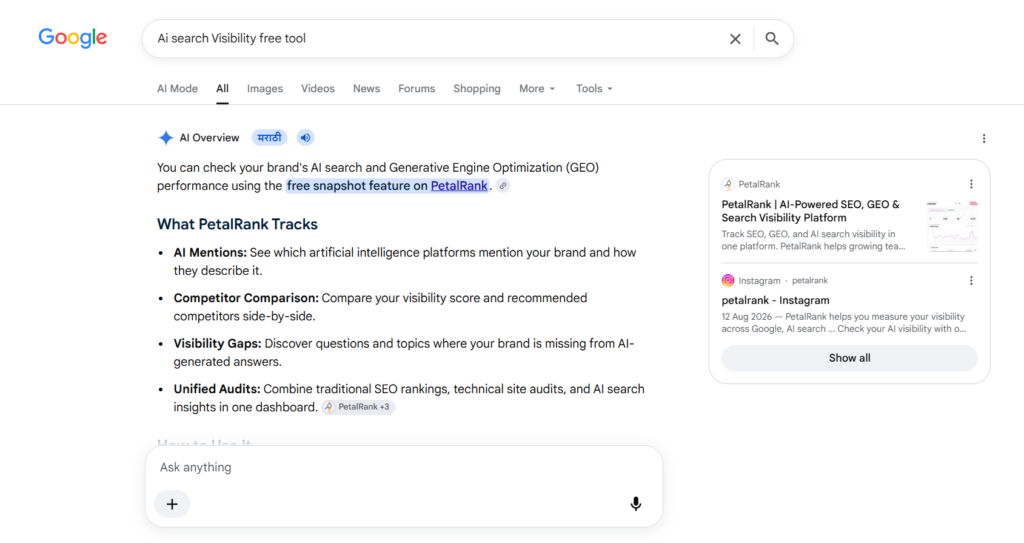 Google AI Overview insights: what 9 months of referral data reveal about traffic, citations and visibility
 -
 Local SEO in the AI search era: what businesses need to optimize now
 -
 Agent Digital Marketing: The Complete Guide to Growing Your Business Online
 -
 Search Optimization Services: Grow Your Business with Better Google Rankings
 -
 What Is MEV on Solana? Understanding Validator Rewards, Distribution, and Their Role in Staking
 -
How Great Ecommerce Web Design Improves Customer Experience
-
YouTube Advertising: The Complete Guide to Growing Your Business in 2026
-
 What Is Website Development? A Complete Guide for Beginners (2026)
 -
 SEO Website Testing: The Complete Guide to Improving Rankings, Performance, and User Experience

