
How AI Is Transforming Marketing Automation
Marketing automation has long been a powerful tool for streamlining repetitive marketing tasks such as email campaigns, lead nurturing, and customer segmentation. By using software and workflows, businesses can automatically deliver the right messages to the right audiences at the right time.
However, the rise of artificial intelligence (AI) is taking marketing automation to a new level. Instead of simply automating pre-defined processes, AI enables marketing platforms to analyze large volumes of customer data, predict behavior, and optimize campaigns in real time.
In this guide, we’ll explore what marketing automation is, how AI enhances it, and the ways businesses are using AI-powered automation to improve marketing performance.
What Is Marketing Automation?
Marketing automation refers to the use of software and technology to automate repetitive marketing activities and manage campaigns across multiple channels.
These systems help marketers streamline tasks such as:
Email campaign scheduling
Lead nurturing workflows
Audience segmentation
Customer behavior tracking
Campaign performance reporting
By automating these processes, marketing teams can focus more on strategy and creativity rather than manual execution. Automation platforms also allow companies to deliver personalized messaging at scale while improving efficiency and campaign performance.
Why Marketing Automation Matters Today
Modern marketing involves multiple channels, complex customer journeys, and large amounts of behavioral data. Managing these elements manually is nearly impossible for most teams.
Marketing automation solves this challenge by organizing marketing activities into structured workflows that trigger actions based on customer behavior. For example, when a user visits a website or clicks an email link, the system can automatically send follow-up messages or add that user to a specific campaign sequence.
Automation therefore helps businesses maintain consistent engagement with customers while reducing operational workload.
The Role of AI in Marketing Automation
While traditional automation relies on predefined rules, AI adds intelligence to the process. Instead of simply executing tasks, AI systems analyze patterns and make decisions that improve campaign performance.
Artificial intelligence enhances marketing automation by:
Identifying customer behavior patterns
Predicting future purchase intent
Personalizing content dynamically
Optimizing campaign timing and targeting
Because AI can process large datasets quickly, marketers gain deeper insights into audience preferences and engagement patterns.
How AI Is Transforming Marketing Automation
AI technologies are introducing several major improvements to marketing automation platforms.
Predictive Customer Insights
AI algorithms analyze historical customer data to predict future actions, such as the likelihood of purchasing a product or responding to a campaign.
These predictive insights allow marketers to prioritize high-value leads and focus their efforts on prospects most likely to convert.
Advanced Audience Segmentation
Traditional segmentation often relies on simple demographic data. AI can go further by identifying patterns in behavioral and engagement data.
This allows marketers to create more precise audience groups based on interests, browsing behavior, and purchasing signals.
Personalized Customer Experiences
AI-powered automation enables hyper-personalization across channels. Instead of sending the same message to every customer, AI systems tailor content based on individual preferences and past interactions.
For example, product recommendations or email offers can change dynamically depending on user behavior.
Automated Campaign Optimization
AI tools continuously analyze campaign performance and automatically adjust variables such as targeting, messaging, or budget allocation.
This real-time optimization helps improve engagement and return on investment without requiring constant manual monitoring.
Smarter Lead Nurturing
Lead nurturing workflows can become more intelligent when powered by AI. Instead of following fixed sequences, AI systems adapt messaging based on how leads interact with content.
This ensures prospects receive relevant information at the right stage of the buying journey.
Key Benefits of AI-Driven Marketing Automation
Businesses that adopt AI-enhanced automation often see several benefits.
Greater Efficiency
Automating repetitive tasks reduces manual workload for marketing teams and allows them to focus on strategic initiatives.
Better Customer Engagement
AI helps deliver personalized experiences that feel more relevant and meaningful to customers.
Improved Decision-Making
AI systems analyze data patterns that humans might miss, helping marketers make smarter campaign decisions.
Higher Marketing ROI
With better targeting and optimized campaigns, businesses often achieve higher conversion rates and more efficient use of marketing budgets.
Common Use Cases of AI in Marketing Automation
AI-powered marketing automation is being used in many areas of digital marketing, including:
Email marketing personalization
Chatbots for automated customer interactions
Predictive lead scoring
Dynamic product recommendations
Automated ad targeting and bidding
These applications allow companies to scale marketing efforts while maintaining high levels of personalization.
Challenges to Consider
Despite its benefits, AI-driven marketing automation also presents challenges.
Data Quality
AI systems depend heavily on accurate data. Poor or incomplete data can lead to ineffective targeting and incorrect insights.
Privacy and Compliance
With stricter data privacy regulations, companies must ensure that automated systems handle customer data responsibly.
Implementation Complexity
Integrating AI tools with existing marketing technology stacks may require technical expertise and organizational changes.
The Future of AI-Powered Marketing Automation
AI is expected to play an even larger role in marketing automation in the coming years. Emerging technologies such as machine learning, natural language processing, and predictive analytics will continue to expand what automation platforms can accomplish.
Future systems may be capable of automatically designing campaigns, generating personalized content, and adjusting strategies in real time based on customer behavior.
For businesses looking to remain competitive in digital marketing, adopting AI-powered automation will likely become a key strategic advantage.
Final Thoughts
Marketing automation has already transformed how businesses manage campaigns and engage with customers. With the addition of artificial intelligence, these systems are becoming more intelligent, adaptive, and data-driven.
By combining automation with AI insights, marketers can deliver highly personalized experiences, optimize campaigns continuously, and build stronger relationships with their audiences.
As marketing technology continues to evolve, organizations that embrace AI-driven automation will be better equipped to scale their marketing efforts and achieve sustainable growth.
Recent posts
-
 How AI Is Transforming Marketing Automation
 -
 Marketing & Sales Collaboration: Improving Lead Quality Together
 -
 The Ultimate Guide to Digital Advertising in 2026
 -
 Brand Equity Strategies for Business Growth
 -
 How to Increase Click-Through Rate
 -
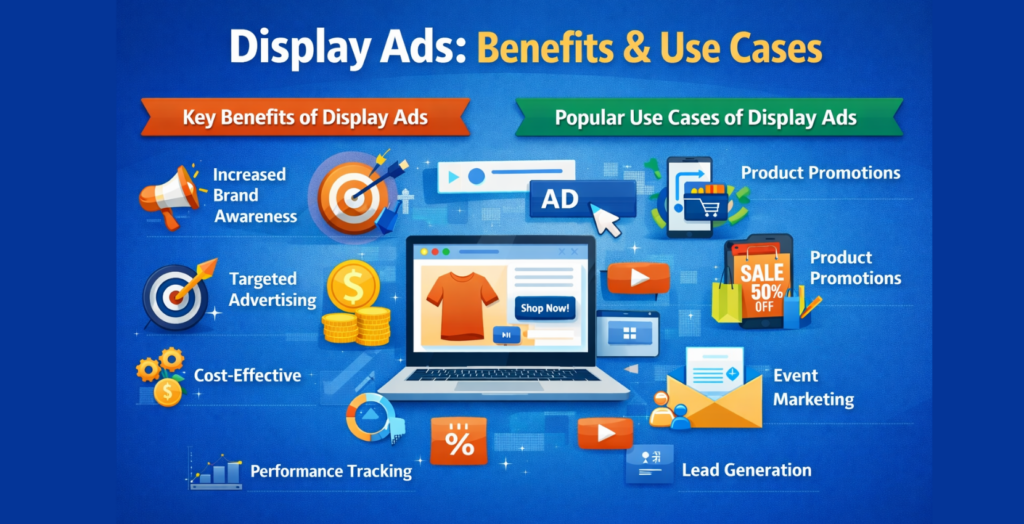 Display Ads: Benefits & Use Cases
 -
 Competitive Benchmarking: What It Is, Why It Matters, and How to Do It Right in 2026
 -
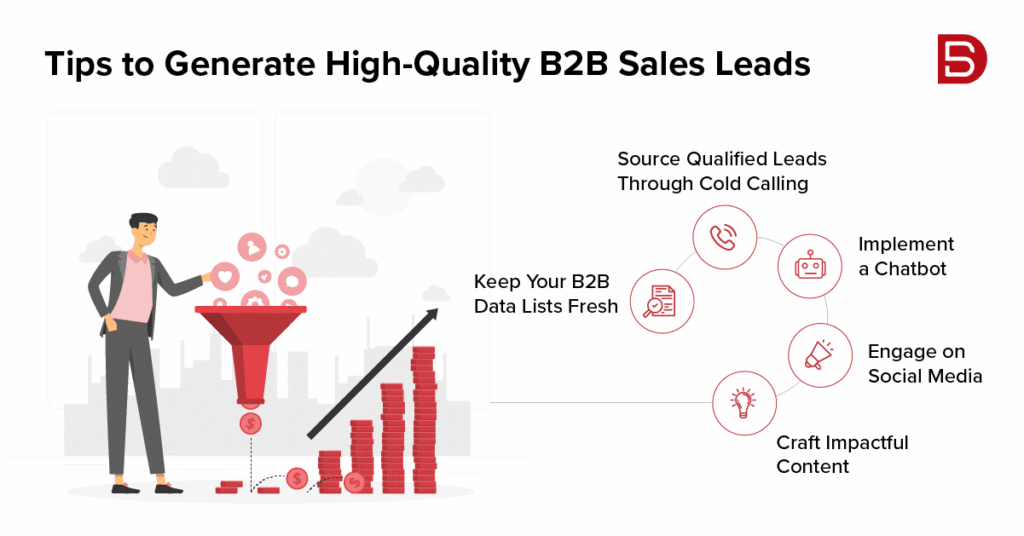 35 Powerful Ways to Generate High-Quality B2B Sales Leads in 2026
 -
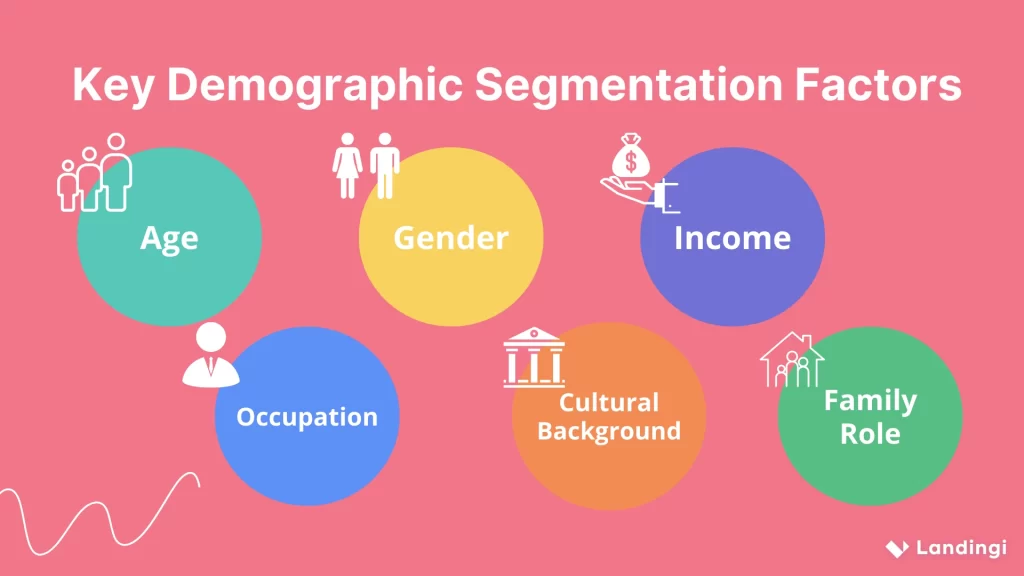 What Is Demographic Segmentation? A Beginner’s Guide for Marketers
 -
 How Targeted Advertising Improves ROI? A Practical Guide for Modern Marketers

